Landscape painting underwent a revolutionary transformation during the Impressionist movement in the late 19th century. Artists like Claude Monet and Camille Pissarro broke away from traditional techniques, choosing to capture light and atmosphere rather than rigid detail. This shift opened doors for new expressions in painting, making it a pivotal moment for landscape art.
1. Claude Monet: Master of Light and Color
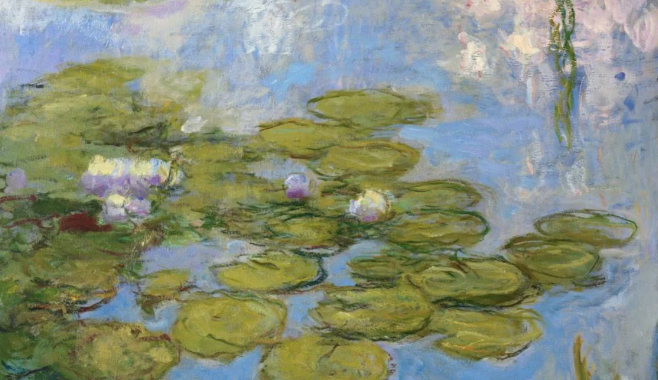
Claude Monet is perhaps the most celebrated Impressionist painter and is best known for his ability to capture the changing effects of light in various landscapes. His iconic series, such as “Water Lilies,” showcases how light interacts with water, and these works are marked by an almost abstract approach to natural scenes. By employing loose brush strokes and vibrant color palettes, Monet transformed landscapes into evocative impressions rather than precise representations.
Monet’s innovative techniques, like painting en plein air (outdoors), allowed him to observe and depict the natural environment directly. This method encouraged spontaneity and a direct connection to the subject, resulting in canvases that pulsate with life. For budding artists, Monet’s work serves as a vital reference point to understand how light can be skillfully represented in landscape painting.
-
- Explore outdoor painting to grasp natural light.
-
- Experiment with color mixtures to express mood.
-
- Focus on quick strokes; prioritize impressions over details.
-
- Observe the same location at different times of day for varied effects.
2. Camille Pissarro: The Architect of Rural Serenity
Camille Pissarro played a significant role in the development of Impressionism and is often recognized for his tranquil depictions of rural life. His landscapes, such as the “Boulevard Montmartre, Spring,” emphasize the beauty of everyday scenes, from bustling streets to peaceful countryside. Pissarro’s work often featured a social commentary on modern life, melding subtle political themes with aesthetic beauty.
Pissarro also greatly influenced the art of landscape painting by promoting collaboration among artists, taking part in various exhibitions, and encouraging fellow Impressionists to explore the beauty around them. His gentle yet vibrant color schemes demonstrated how quality of life in rural settings could transcend everyday life into something extraordinary. Through his teachings and practices, Pissarro laid foundations for future artists interested in landscape narratives.
-
- Seek beauty in mundane landscapes; look for hidden gems.
-
- Work collaboratively with other artists for broader perspectives.
-
- Incorporate social themes into your landscapes for deeper narratives.
-
- Stick to a color palette to maintain cohesiveness in your work.
3. Alfred Sisley: Poetry in Nature
Alfred Sisley is lesser-known compared to Monet and Pissarro but is equally important in the realm of Impressionist landscape painting. His serene landscapes, characterized by soft, delicate tones, create a sense of tranquility and poetry. Notable works, such as “The Bridge at Villeneuve-la-Garenne,” showcase his mastery in capturing the harmony between water, sky, and trees.
What sets Sisley apart is his ability to evoke emotion through simplicity and elegance. His focus on light and atmosphere often resulted in evocative, lyrical compositions that draw viewers into a state of reflection. Potential artists can learn from Sisley by focusing on how to express deep feelings through subdued colors and simple forms, which can resonate with the viewer on a personal level.
-
- Practice capturing atmospheric conditions; know how weather affects landscapes.
-
- Use a limited color palette for emotional resonance.
-
- Focus on one primary subject within the scene to avoid clutter.
-
- Allow your emotions to guide your brushstrokes and choices.
4. Pierre-Auguste Renoir: Joy in Everyday Landscapes
Pierre-Auguste Renoir, while always celebrated for his portraits, made profound contributions to landscape painting as well. His works often showcase lively scenes featuring friends amidst natural settings, capturing the joyful essence of leisure time. Paintings like “Garden at Escoffier” radiate warmth and happiness, emphasizing the beauty in everyday experiences.
Renoir’s vibrant color use and soft, fluid brushwork represent the vivacity of life, making his landscapes dynamic rather than static. He emphasized human interaction with nature, utilizing everyday life as his canvas. This approach invites aspiring artists to find joy and narrative elements in their surroundings, encouraging personal connections with the landscapes they choose to paint.
-
- Incorporate figures into your landscapes for added context and story.
-
- Choose lively colors to express joy and liveliness.
-
- Invite friends to join in outdoor painting sessions for fun and collaboration.
-
- Seek inspiration in leisure activities; paint what brings you joy.
Impressionist artists like Monet, Pissarro, Sisley, and Renoir truly revolutionized landscape painting, pushing boundaries and inspiring countless generations. By experimenting with light, color, and emotional depth, they created enduring artworks that resonate with viewers. If you feel inspired to explore landscape painting, consider taking a workshop, visiting local galleries, or even setting out to paint outdoors. Your journey into this vibrant world of color and impression awaits!