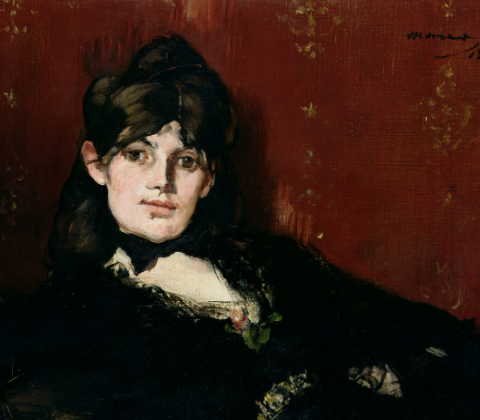
Berthe Morisot, one of the most prominent figures of the Impressionist movement, had a significant and complex relationship with fellow artist Édouard Manet. Their mutual respect and artistic collaboration significantly influenced the trajectory of impressionistic art. Exploring their connection offers valuable insights into both their individual contributions to the art world and the cultural climate of 19th-century France.
1. The Beginning of Their Artistic Bond
The friendship between Berthe Morisot and Édouard Manet began in the late 1860s, a pivotal time for the Impressionist movement. Manet, already established in the Parisian art scene, admired Morisot’s talent and was instrumental in introducing her to avant-garde circles. Their paths crossed at various social gatherings and exhibitions, nurturing an artistic camaraderie that encouraged Morisot’s evolution as an artist.
Manet’s influence on Morisot went beyond mere friendship; he offered her mentorship that helped hone her skills and confidence. This bond allowed Morisot to experiment with themes and techniques, artfully blending traditional and modern elements. Their relationship ultimately sparked a creative dialogue, highlighted by numerous works that reflected their shared vision, most notably through a series of paintings that showcased their mutual respect and fascination.
-
- Attend exhibitions to understand the social dynamics of the era.
-
- Study the works of both artists to see their evolutions.
-
- Engage with art history discussions to appreciate influence.
-
- Explore Impressionism to grasp their unique styles.
2. Collaboration and Creative Exchange
Morisot and Manet’s collaboration extended beyond casual friendship; they often painted side by side, influencing each other’s artistic styles. They shared techniques, and their palettes often mirrored each other, creating an unspoken bond evident in their brushwork and subject matter. Morisot’s intimate portrayal of domestic life resonated with Manet’s more avant-garde takes on society, fostering a unique blend of their artistic philosophies.
One notable example of their collaboration is Morisot’s painting “Summer’s Day,” inspired by the style and use of colors prevalent in Manet’s work. The gentle atmosphere of the piece captures the essence of both artists’ approaches to light and form. This blending of styles exemplified the collaborative spirit they shared, which in turn contributed to the deeper exploration of Impressionist themes.
-
- Consider collaborating on art projects to broaden perspectives.
-
- Analyze how influences shape individual artistic voices.
-
- Experiment with new techniques inspired by other artists.
-
- Visit workshops to understand collaborative art practices.
3. The Impact of Their Relationship on Impressionism
The relationship between Morisot and Manet significantly reshaped the landscape of Impressionism. Their dynamic partnership challenged the traditional norms of their time, paving the way for more female artists in a male-dominated arena. This shift not only changed the perception of women in art but also exemplified the blend of personal relationships and artistic growth, showcasing how collaboration can enhance creativity within a movement.
As the Impressionist movement gained momentum, the significance of Morisot’s work often intertwined with Manet’s reputation. Their mutual encouragement became a cornerstone of their artistic identities, allowing both to experiment freely without the constraints typically found in academic art. This symbiotic relationship not only brought new life to their works but also contributed to the overall evolution of modern art as a whole.
-
- Support emerging artists to foster creative growth.
-
- Promote collaborative environments in artistic settings.
-
- Encourage diverse voices to enrich artistic movements.
-
- Document collaborations to inspire future artists.
In summary, the relationship between Berthe Morisot and Édouard Manet illustrates the power of collaboration in art, especially within the context of the Impressionist movement. Their mutual influence not only enhanced their works but also significantly shaped the cultural landscape of their time. Art enthusiasts and aspiring artists alike can learn valuable lessons from their partnership, emphasizing the importance of connection, experimentation, and shared vision.