The Impressionist era redefined art, capturing the essence of modern life in Paris during the late 19th century. This vibrant movement not only showcased the evolving urban landscape but also reflected the lifestyles and emotions of its people. In this post, we’ll explore some of the notable Impressionist artists who painted modern Paris and their contributions to the artistic narrative of the city.
1. Claude Monet: The Master of Light
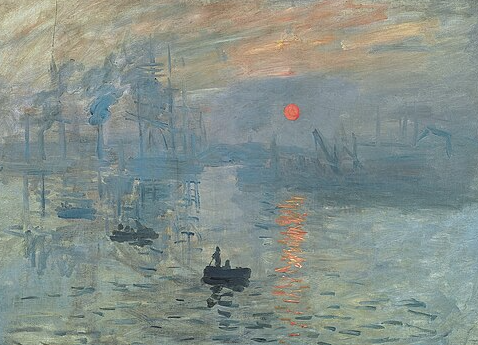
Claude Monet, often regarded as the father of Impressionism, used light and color to create stunning representations of modern Paris. His famous work, “Impression, Sunrise,” even gave the movement its name. Monet’s focus on atmospheric conditions and fleeting moments allowed viewers to experience the vibrancy of Parisian life during his time.
One of his notable paintings, “Boulevard des Capucines,” captured the bustling streets of Paris filled with citizens. His unique brush strokes and lively palettes invoked the busy atmosphere and showcased the excitement of urban living. Monet’s relentless pursuit of capturing the transient effects of light has rendered his works timeless.
-
- Discover Monet’s works at museums, like the Musée d’Orsay in Paris.
-
- Experiment with capturing light in your own paintings.
-
- Explore nearby locations Monet painted to enhance your understanding of his work.
-
- Study Monet’s color palette choices to apply in your art.
2. Pierre-Auguste Renoir: Celebrating Everyday Moments
Pierre-Auguste Renoir painted a variety of everyday scenes that portrayed the life and vitality of Paris. His works, like “Luncheon of the Boating Party,” not only focus on the people but also emphasize the social gatherings that were a hallmark of modern life. Renoir’s use of vibrant colors and lively scenes showcases joy, vitality, and human connection, themes synonymous with Impressionism.
Renoir’s portrayal of women, in particular, was distinctive in his time. He celebrated femininity through portraits, often depicting his subjects surrounded by the warm light of Parisian summers. This positivity in his artwork provided a contrast to the industrialization occurring in the city, allowing viewers to appreciate the beauty in everyday life.
-
- Visit sites like the Musée de l’Orangerie to see Renoir’s pieces.
-
- Explore the locations featured in his famous paintings.
-
- Try your hand at depicting social scenes in your art.
-
- Study color and light to recreate Renoir’s lively style.
3. Edgar Degas: The Urban Dance of Life
While Edgar Degas is best known for his depictions of ballet dancers, his exploration of urban life in Paris began to redefine social dynamics. Degas often showcased scenes from the theater and ballet, capturing the elegance and beauty of the performers. His approach combined realism with Impressionist techniques, creating works that engaged viewers with the intricate details of modern life.
One of Degas’s renowned paintings, “The Dance Class,” reflects not just the grace of the dancers but also the dynamic atmosphere of a bustling Paris. He used unusual viewpoints and compositions, which brought energy and movement to his portrayals. Degas’ attention to the subtleties of light allowed for a unique element in rendering these lively performances.
-
- Investigate Degas’ techniques through workshops or online tutorials.
-
- Attend a ballet performance to immerse yourself in the art form he depicted.
-
- Focus on capturing movement in your own art practice.
-
- Explore the neighborhoods that inspired Degas’s work for a deeper connection.
4. Camille Pissarro: The Father of Impressionism
Camille Pissarro played a central role in the development of Impressionism, emphasizing the importance of perspective and light. As an observer of urban and rural life, he appreciated the beauty of both landscapes and bustling streets. His painting “Boulevard Montmartre, Spring” not only captures the essence of modern Paris but also reflects the coexistence of nature within an urban environment.
Pissarro’s work often highlighted the working classes, providing a social commentary on Parisian life. He painted scenes that resonated with viewers, celebrating diversity and the everyday struggles of common people. His influence helped shape the thematic direction of Impressionist art and its focus on social aspects of life in the city.
-
- Study Pissarro’s focus on different perspectives in your artwork.
-
- Explore the locations he painted to gain a sense of context.
-
- Practice painting urban scenes to appreciate the details in everyday life.
-
- Engage with community events to explore social dynamics like Pissarro did.
5. Berthe Morisot: A Woman’s Perspective
Berthe Morisot was one of the few female artists in the Impressionist movement and provided a unique perspective on Parisian life. Her works often depicted intimate domestic scenes and the experiences of women, offering insight into a world often overlooked by her male counterparts. Paintings like “The Cradle” highlight tenderness and domesticity in a changing urban landscape.
Morisot’s brushwork was light and airy, reflecting the influence of her fellow Impressionists while maintaining her distinct style. She captured the dynamics of family life, emphasizing the roles women played in society during this transformative period. Through her art, Morisot paved the way for future generations of women artists.
-
- Research Morisot’s contributions to better understand the female perspective in Impressionism.
-
- Consider engaging with local art communities to empower female artists.
-
- Experiment with techniques that convey emotion like Morisot.
-
- Visit galleries focusing on women’s contributions to art for inspiration.
The Impressionists’ depictions of modern Paris not only captured the city’s physical transformation but also its emotional fabric. By examining the works of these remarkable artists, we can gain further appreciation for the beauty and complexity of urban life in their time. Consider engaging with their legacies through visits to galleries, your own artistic expressions, or simply by immersing yourself in the stories their paintings tell.