Gustave Caillebotte is often an unsung hero of the Impressionist movement, celebrated for his unique blend of realism and innovative techniques. His focus on modern life, urban scenes, and careful composition set him apart from his contemporaries, bridging the divide between traditional art and modern styles.
1. The Artistic Background of Gustave Caillebotte
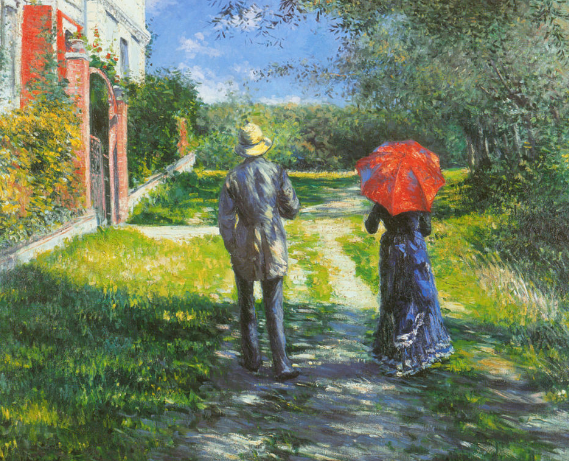
Born in 1848 in Paris, Gustave Caillebotte was part of a well-to-do family, which provided him with the educational and financial resources to pursue art. He began studying under the traditional academic methods but soon found inspiration in the emerging Impressionist movement. Unlike many of his peers, Caillebotte incorporated meticulous details and realistic perspectives, which helped to ground the often ethereal qualities of Impressionism.
His works often showcased scenes of urban life and ordinary people, capturing the bustling spirit of Paris during the late 19th century. A prime example of this is his painting “Paris Street; Rainy Day,” where careful attention to perspective and composition creates a vivid sense of place and time. This dedication to realism distinguishes his work from that of other Impressionists, who typically focused more on light and color than on detail.
-
- Explore Caillebotte’s background to understand his influences.
-
- Study his transition from academic art to Impressionism.
-
- Observe how his wealth and education shaped his artistic choices.
-
- Analyze key pieces to see how they reflect urban life.
2. Caillebotte’s Techniques and Innovations
Caillebotte employed various techniques that helped to define his unique style within the Impressionist framework. One notable technique was his use of perspective and composition, which allowed viewers to experience a scene almost as if they were physically present. His paintings often include unusual angles and cropped views, making ordinary settings feel fresh and dynamic.
In addition to perspective, Caillebotte was also innovative in his use of color and light. Utilizing a palette that highlighted contrasts between shadow and light, he captured the fleeting effects of sunlight on various surfaces, a hallmark of Impressionism. For example, the way he painted the raindrops glistening on the pavements transforms a simple city street into a mesmerizing scene, demonstrating his skillful ability to blend realism with Impressionistic techniques.
-
- Experiment with perspective in your own artwork.
-
- Notice the effects of light and shadow in your surroundings.
-
- Consider unusual angles when capturing scenes.
-
- Practice mixing colors to achieve realistic effects in paintings.
3. The Legacy and Influence of Caillebotte
Despite being overshadowed by more famous artists like Monet and Renoir, Caillebotte left a significant impact on both the Impressionist movement and future generations of artists. His focus on modernity and urban life prefigured movements such as Realism and later Modernism, inspiring many artists to explore similar themes. Caillebotte’s work is a reminder that art can encapsulate both the realities of daily life and the beauty found within it.
Furthermore, his contributions to the Impressionist exhibitions and his financial support for other artists illustrate his pivotal role in the movement. Today, his paintings are celebrated not only for their artistic merit but also for their historical value, documenting changes in urban life during the late 19th century. His legacy continues to inspire artists who seek to celebrate modern life through their own unique lenses.
-
- Visit museums that feature Caillebotte’s works to gain firsthand experience.
-
- Read about the Impressionist movement to place Caillebotte in context.
-
- Follow current artists inspired by Caillebotte’s techniques.
-
- Engage with online communities focused on preserving Impressionist history.
In conclusion, Gustave Caillebotte’s unique blend of realism and Impressionist technique offers a rich tapestry for both art lovers and aspiring artists. By understanding his contributions, you can appreciate how he shaped not just his era but also the evolution of modern art. Don’t hesitate to explore more about his works or even try your hand at similar innovative techniques!