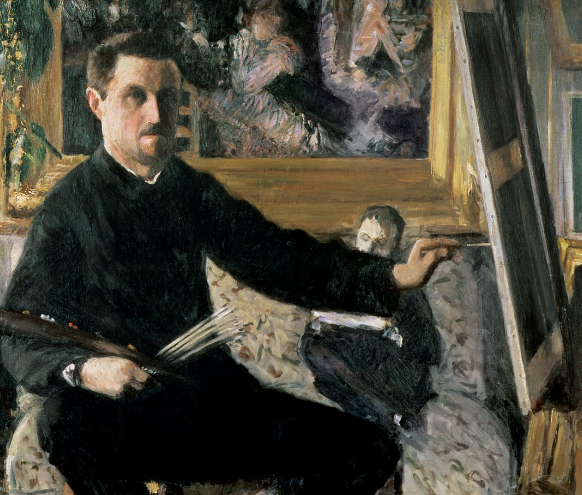
Gustave Caillebotte, a prominent figure of the Impressionist movement, is best known for his stunning depictions of urban life in the late 19th century. His interior scenes reveal not just the physical spaces of Parisian life but also an emotional resonance that speaks to modern loneliness in a bustling world.
1. The Interiors of Caillebotte: A Window into Solitude
Caillebotte’s interiors often feature hushed, intimate spaces that suggest a disconnect between the figures portrayed and their surroundings. In paintings like “Interior” (1878), the viewer is presented with a well-furnished room yet devoid of human interactions and warmth. This suggests a deeper narrative of isolation, capturing moments where individuals are surrounded by the comforts of home yet feel profoundly alone.
The meticulous attention to detail in Caillebotte’s interiors serves to amplify this sense of loneliness. For instance, the placement of furniture or the choice of color can create an atmosphere that evokes feelings of melancholy or reflection. As a viewer, one can’t help but ponder the stories behind these silent spaces—who lived there, what emotions were felt, and how the modern world contributed to their solitude.
-
- Examine furniture placement and its emotional impact.
-
- Reflect on color choices and their psychological effects.
-
- Consider the absence of interaction in the depicted scenes.
-
- Think about the narratives that silence creates.
2. Modern Loneliness: Echoes in Caillebotte’s Art
The concept of modern loneliness, as reflected in Caillebotte’s work, resonates profoundly today. In our age of digital connection, physical proximity often contradicts emotional distance. Caillebotte’s interiors resonate with the conflicting emotions many face—living in urban environments filled with people yet feeling utterly isolated.
His depictions serve as a visual metaphor for the loneliness experienced by many in contemporary life. Just like the solitary figures in his paintings, individuals today may find themselves surrounded by technology and yet long for genuine human connection. This unsettling duality urges us to recognize and address the feelings of isolation that can manifest in our increasingly digitized lives.
-
- Acknowledge the feelings of loneliness when they arise.
-
- Identify the sources of isolation in your daily life.
-
- Foster meaningful connections through face-to-face interactions.
-
- Engage in community activities to build relationships.
3. Bridging Historical Art and Personal Experience
Connecting Caillebotte’s portrayal of interiors to our personal experiences can be enlightening. Viewing his work encourages introspection about our own living environments and the emotional landscapes they create. Do we, like Caillebotte’s subjects, fill our spaces with material comfort but still experience emptiness and loss of connection?
Engaging with art can also serve as a therapeutic tool. It allows us to explore complex emotions surrounding loneliness and isolation, aiding in understanding our inner selves. By contemplating Caillebotte’s interiors in relation to modern loneliness, we can draw parallels between 19th-century urban struggles and our present-day emotional realities.
-
- Spend time reflecting on artworks in relation to personal experiences.
-
- Keep a journal to document feelings in response to art.
-
- Engage in community art programs for shared experiences.
-
- Explore local galleries to connect stories with the environment.
In conclusion, Gustave Caillebotte’s interiors not only depict physical spaces but also evoke deep emotional reflections on modern loneliness. By exploring these visual narratives, we can gain insights into our own experiences of isolation. It’s essential to reflect on these feelings and take actionable steps to foster connections in our lives.