Alfred Sisley is one of the most celebrated figures in the Impressionist movement, known for his serene and evocative landscapes. His work is a testament to the beauty of nature and the fleeting effects of light and atmosphere. In this article, we will explore Sisley’s unique contributions to pure Impressionist landscape painting.
1. The Background of Alfred Sisley
Born in 1839 in Paris, Alfred Sisley was the son of a wealthy British merchant, allowing him to pursue art without financial constraints. Unlike many of his contemporaries, Sisley was not influenced by the academic traditions of his time but instead gravitated toward painting the world around him. He often painted en plein air, a practice that allowed him to capture the essence of natural light and scenery directly as he experienced it.
His life in France during the rise of Impressionism offered him a prime vantage point to observe and partake in a radical shift in artistic expression. Sisley’s works often feature the rural landscapes of the French countryside and waterways of the Seine. His attention to detail, combined with a deep emotional connection to his subjects, gives his work its distinctive nature.
-
- Explore Sisley’s biography and background for deeper insights into his art.
-
- Research the influence of Impressionism on 19th-century art.
-
- Visit museums featuring Sisley’s art to see his techniques up close.
-
- Read about other Impressionist artists to understand context.
2. Techniques and Characteristics of Sisley’s Landscapes
Sisley was dedicated to capturing the transient effects of light and color in his landscapes, utilizing quick brush strokes and a light palette. His compositions often reflect a sense of calmness and tranquility, showcasing natural scenes like flowing rivers, verdant fields, and serene skies. Unlike some of his peers, Sisley did not often choose dramatic subjects, focusing instead on the beauty of everyday life.
One of the defining characteristics of his art is his use of atmospheric perspective. Sisley skillfully manipulated color and contrast to create depth, allowing viewers to feel as if they were stepping into his idyllic scenes. His emphasis on natural light and reflections is particularly evident in works such as “The Bridge at Villeneuve-la-Garenne,” where he captures shimmering waters under soft sunlight.
-
- Practice observing light at different times of day for your artwork.
-
- Experiment with quick brushwork to capture movement.
-
- Mix colors on your palette instead of using premixed formulas.
-
- Focus on landscapes in your own environment to find inspiration.
3. The Importance of Color in Sisley’s Work
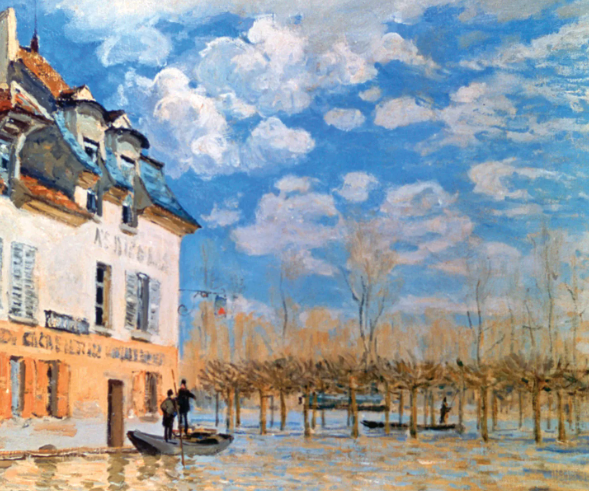
Color played a pivotal role in Alfred Sisley’s artistic expression. His palette often embraced a range of soft hues, predominantly greens and blues, capturing the delicacy of nature. This harmonious blending of colors reflects a profound appreciation for the natural world. Sisley’s landscapes, such as “Flood at Port-Marly,” convey a remarkable sense of atmosphere and tranquility through his color choices.
Moreover, Sisley’s innovative approach to mixing colors allowed him to create dynamic impressions of light and shadow. He often used complementary colors to enhance vibrancy and depth. This technique not only captures the viewer’s attention but also evokes an emotional response, making the viewer feel as if they are standing in the scenery alongside him.
-
- Invest in a color wheel to better understand color relationships.
-
- Experiment with different color combinations in your work.
-
- Pay attention to natural light and its effects on colors in your surroundings.
-
- Practice layering colors to create depth and vibrancy.
4. Sisley’s Legacy and Influence on Modern Art
Despite facing challenges during his lifetime, including a relative lack of financial success compared to his fellow Impressionists, Alfred Sisley’s work has gained recognition over the years. His landscapes continue to inspire modern artists and serve as an essential bridge between Impressionism and contemporary landscape painting. His emphasis on capturing fleeting light and atmosphere has influenced generations of artists.
Sisley’s dedication to depicting the beauty of the ordinary continues to resonate today. His landscapes remind us of the importance of nature and evoke feelings of peace, encouraging viewers to appreciate their surroundings. Museums across the world, such as the Musée d’Orsay in Paris, celebrate his contributions, ensuring that his artistry remains relevant.
-
- Visit galleries to see how Sisley’s work has influenced contemporary artists.
-
- Follow modern artists who draw inspiration from Impressionism.
-
- Consider how Sisley’s techniques can be applied in modern art forms.
-
- Participate in community art events to share and learn from others.
In conclusion, Alfred Sisley’s contributions to pure Impressionist landscape painting have left an indelible mark on art history. His ability to capture the splendor of nature through innovative techniques and expressive color continues to inspire artists today. Embrace his approach by exploring your own artistic expression in the natural world around you.