
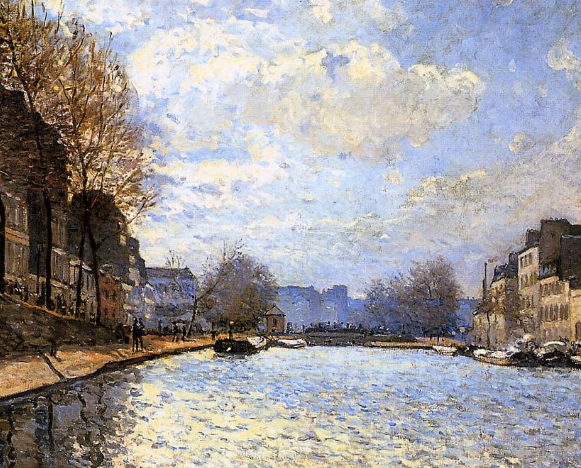
Alfred Sisley was a key figure in the Impressionist movement, predominantly known for his evocative landscapes that captured the fleeting effects of light. His unique palette and focus on natural scenery have immortalized him as one of the genre’s most essential artists. In this blog post, we will explore some of Sisley’s most significant works and his lasting impact on the art world.
1. Notable Works: A Journey Through Nature
Among Sisley’s most celebrated works is “The Bridge at Villeneuve-la-Garenne.” This piece exemplifies his ability to capture light reflections on water and the bustling life around it. Painted in 1872, the work highlights the serene colors of the sky and the vibrancy of nature, demonstrating Sisley’s mastery of impressionism.
Another iconic piece is “Summer” (1875), where Sisley beautifully portrays the serene ambiance of the countryside during the hottest months. The painting’s lush greenery and soft pastel hues transport viewers into a peaceful summer’s day, encouraging them to appreciate the beauty of the natural world. Through such works, Sisley invites an emotional response that resonates with many art enthusiasts.
-
- Explore Sisley’s notable works at local galleries or museums.
-
- Try creating a landscape inspired by his style using soft colors.
-
- Research other Impressionist painters who influenced his work.
-
- Visit the sites where some of his paintings were created for a firsthand experience.
2. The Impressionist Legacy: Influencing Future Generations
Despite the challenges he faced during his lifetime, Sisley’s work has had a profound influence on subsequent artists. His ability to convey the subtleties of natural light transformed the landscape genre and inspired many modern artists to explore similar themes. By focusing on atmospheric effects and color harmony, Sisley paved the way for innovators who followed in his footsteps.
Moreover, Sisley’s dedication to outdoor painting encouraged artists to embrace the en plein air technique. This approach allowed for a more spontaneous representation of landscapes and still holds great relevance today. His legacy continues to inform contemporary art practices, proving that Sisley’s work transcends time and remains influential in various art forms.
-
- Study how Sisley’s techniques can apply to your own artistic endeavors.
-
- Attend workshops focused on outdoor painting to understand his methods.
-
- Join art communities that focus on Impressionism for collaboration opportunities.
-
- Analyze contemporary artists who identify with Sisley’s style.
3. Techniques and Craftsmanship: The Art of Observation
Sisley was known for his keen observation skills and refined techniques. He often utilized small brush strokes to layer colors, creating a vibrant and dynamic surface that animated his landscapes. The combinations of cool and warm tones enhanced the luminosity felt in his paintings, exemplifying the fundamental principles of Impressionism.
His meticulous attention to the changing light conditions allowed him to portray landscapes authentically. This dedication to observing nature in varying seasons and times of day is a lesson that budding artists can learn from. Understanding how to perceive and capture these subtleties can elevate one’s painting skills significantly.
-
- Practice using short, quick brushstrokes to create texture.
-
- Experiment with color layering to replicate light effects in nature.
-
- Schedule outdoor painting sessions to improve observational skills.
-
- Analyze light conditions at different times of day and season.
4. Reception and Recognition: A Posthumous Rise
During his lifetime, Sisley faced challenges in gaining recognition, often overshadowed by his more famous contemporaries. However, posthumously, his work has garnered increasing appreciation. Institutions around the world now celebrate Sisley’s contributions, showcasing his landscapes in major exhibitions and retrospectives.
Art historians have re-evaluated his work, highlighting his unique perspective and technique that set him apart as an essential figure in Impressionism. This resurgence of interest illustrates how artistic legacy can evolve, with Sisley’s landscapes appealing to new generations of art lovers.
-
- Follow art exhibitions that feature Sisley’s work for a deeper appreciation.
-
- Read art critiques and essays about his impact on Impressionism.
-
- Participate in discussions about his relevance in contemporary settings.
-
- Share Sisley’s works on social media to spread awareness.
5. Conclusion: Engaging with Sisley’s Legacy
Alfred Sisley’s remarkable ability to depict light and nature has secured him a timeless place in art history. By exploring his famous works and understanding his techniques, we can appreciate the way he captures the world around us. Whether you are an artist or simply an art enthusiast, engaging with Sisley’s legacy can inspire a deeper connection with nature and creativity.