Mary Cassatt, a prominent American painter, left an indelible mark on the Impressionist movement. Her unique perspective as a woman artist in the 19th century allowed her to explore themes of domestic life, maternal bonds, and the role of women in society.
1. The Life of Mary Cassatt
Born in 1844, Mary Cassatt grew up in a well-to-do family that supported her artistic pursuits. She spent much of her adult life in Paris, where she became immersed in the Impressionist movement led by artists like Claude Monet and Edgar Degas. Cassatt’s distinctive style combined the influences of French Impressionism with her own American sensibilities, making her work stand out in a predominantly male-dominated art landscape.
Her early education involved formal training in drawing and painting, which laid the groundwork for her exceptional artistic career. Cassatt’s travels across Europe introduced her to various art forms and techniques, further enhancing her capabilities. Notably, her close relationship with Degas allowed her to hone her skills and receive constructive feedback, playing a pivotal role in her development.
-
- Explore local galleries showcasing Cassatt’s work.
-
- Read biographies to gain insights into her life.
-
- Visit museums with Impressionist collections.
-
- Join discussions or clubs focused on art history.
2. Themes and Techniques in Cassatt’s Work
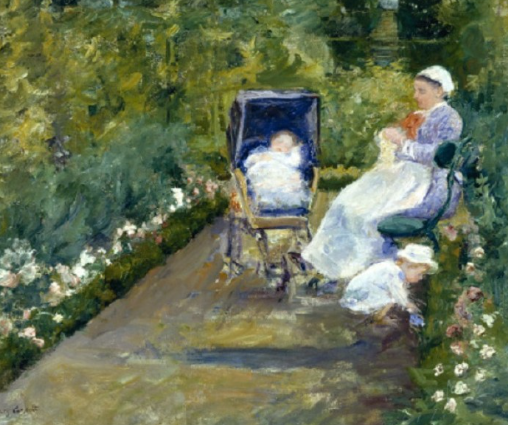
Mary Cassatt is renowned for her paintings that emphasize the intimate moments of women’s lives, especially those between mothers and their children. Using soft colors and loose brushwork typical of Impressionism, she captured the emotional connections in her subjects. Her works, such as “The Child’s Bath” and “Woman with a Pearl Necklace in a Loge,” reflect the tenderness and complexity of domestic life.
Cassatt also experimented with different mediums, including oil paintings, pastels, and printmaking. By applying bold colors and striking compositions, she brought a new perspective to Impressionism. Her choice of subjects often revolved around the daily experiences of women, thereby challenging traditional gender roles and elevating women’s experiences in the art world.
-
- Assess the emotional depth in her portrayals of women.
-
- Study her use of color for conveying mood.
-
- Notice the impact of light in her compositions.
-
- Explore different mediums she employed in her artwork.
3. Cassatt’s Influence on American Art
Mary Cassatt had a profound influence on American art, bridging European styles with American themes. As one of the few American women to achieve international acclaim during her time, her success paved the way for future generations of female artists. Her techniques and approaches to composition influenced American painters, encouraging them to explore personal and emotional topics through their works.
Moreover, Cassatt’s commitment to promoting women’s rights extended beyond visual art; she often advocated for women’s education and equal opportunity. She played a pivotal role in inspiring American women artists, emphasizing that emotional resonance and domestic narratives could hold equal weight in the art world as grand historical or mythical themes traditionally depicted by men.
-
- Attend workshops focusing on women in art history.
-
- Organize community events highlighting female artists.
-
- Foster mentorship programs for aspiring women artists.
-
- Promote exhibitions that feature works by women artists.
4. Recognizing Cassatt’s Legacy Today
Mary Cassatt’s legacy continues to be celebrated through exhibitions and retrospectives dedicated to her work. Museums around the world regularly showcase her pieces, underscoring her significant contributions to Impressionism and American art. Today, her paintings remain important not just aesthetically but also for their exploration of women’s roles and identities in society.
Many art institutions have begun incorporating discussions about female artists like Cassatt into their curricula, aiming to educate emerging artists about the inequalities faced by women in the art world. This recognition plays a crucial role in ensuring future generations acknowledge and celebrate the contributions of women, both past and present.
-
- Follow social media accounts dedicated to women artists.
-
- Support exhibitions that focus on female contributions to art.
-
- Read modern critiques of Cassatt’s work for deeper insights.
-
- Engage in conversations about gender in art today.
In conclusion, Mary Cassatt’s artistry and advocacy have firmly established her as a significant figure in both American and Impressionist art. By studying her work and legacy, we can foster a greater appreciation for women’s contributions to the arts. Consider diving deeper into her life and works, perhaps by visiting exhibitions or reading critical literature on her influence.