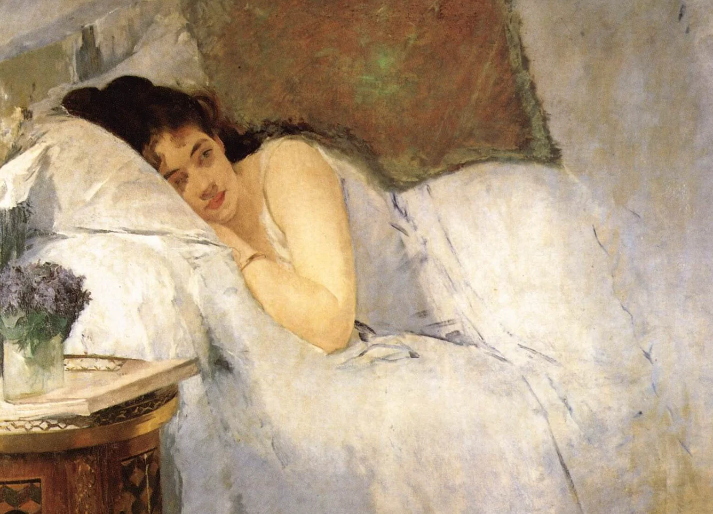
Eva Gonzalès, a prominent French painter of the late 19th century, is known for her stunning pastel works and intimate portraiture. Her art reflects not only her technical prowess but also a deep understanding of human emotion, capturing the subtleties of daily life. In this blog post, we’ll explore the distinct styles and techniques that characterize Gonzalès’ pastel works and intimate portraits.
1. The Beauty of Pastel Techniques
Gonzalès’ mastery of pastels showcases her ability to blend colors in a soft, harmonious manner. Unlike oil paints, pastels allow for a more immediate application and can be layered on paper to create depth and texture. Her process often involved multiple layers, carefully building up colors to create luminosity and vibrancy that draws the viewer in. This technique is particularly evident in her depictions of light falling on various surfaces, resulting in an idyllic atmosphere.
Although pastels might seem straightforward, managing them requires a thoughtful approach. They are prone to smudging, and their delicate nature means that artists must be cautious with their handling. Gonzalès’ skillful application of pastels also involved using various tools like fingers and brushes to manipulate the medium, showcasing her artistic versatility. The results are not just pictures; they are invitations to experience the moment captured within the frame.
-
- Experiment with different types of pastel paper to find what works best for your technique.
-
- Use fixatives sparingly to protect your work without compromising its vibrancy.
-
- Layer colors gradually to create depth instead of applying them all at once.
-
- Play with blending tools, such as tortillons and your fingers, for varied textures.
-
- Practice capturing natural light with pastels to enhance realism.
2. Intimate Portraits: Capturing Emotion
Gonzalès was uniquely skilled at creating intimate portraits that reveal the essence of her subjects. Rather than merely focusing on physical likeness, she endeavored to capture emotions and the personality of the individual in her works. This involved studying the subtleties in expressions, from a slight smile to a contemplative gaze, enabling her to convey a deep sense of connection between the viewer and the subject of the portrait.
The psychological depth in Gonzalès’ portraits can often be attributed to her time studying with notable artist Édouard Manet. His influence encouraged her to be more daring and innovative in her artistic expression. In her intimate portrayals of women, often set in domestic environments, Gonzalès highlighted the beauty of everyday life, showing her subjects in thoughtful poses that resonated with viewers on a personal level.
-
- Study the unique traits of your subjects to bring out their individuality in your portraits.
-
- Consider the setting and background to provide context and intimacy.
-
- Engage in conversations with your subjects to understand their emotions and stories.
-
- Utilize lighting to highlight features and create a mood within the portrait.
-
- Don’t shy away from experimenting with composition and color to convey emotion.
3. The Cultural Impact of Gonzalès’ Work
During her time, Eva Gonzalès was a pioneering female artist in a predominantly male-dominated art scene. Despite the challenges, her works gained attention not only for their beauty but also for their nuanced portrayal of women and domestic life. Her willingness to explore themes of femininity, personal struggle, and daily experiences has inspired countless artists to follow suit, making her a vital figure in the narrative of Impressionism and beyond.
Gonzalès’ art is a mirror reflecting the societal norms of her time while simultaneously challenging them. The strong, emotional presence in her portraits invites viewers to reconsider the roles of women in both art and society. By illustrating these themes with compassion and insight, she laid the groundwork for future generations of artists to explore similar topics, enriching the world of art with new perspectives.
-
- Explore the historical context of artists within their societal framework to deepen your understanding.
-
- Engage with other artists and historians to discuss influences and legacies in the art world.
-
- Research how different art movements reflect or challenge societal norms.
-
- Visit exhibitions showcasing female artists to support underrepresented voices.
-
- Reflect on how your own background and experiences shape your artistic expression.
In summary, Eva Gonzalès’ pastel works and intimate portraits provide a fascinating glimpse into the interplay between technique, emotion, and cultural commentary. Her ability to capture the essence of her subjects invites us to appreciate not only the beauty of art but also the stories behind the brushstrokes. For aspiring artists and enthusiasts alike, looking closer at her techniques and themes can offer valuable insights into creating emotionally resonant works.