Édouard Manet is often celebrated as a pivotal figure in the transition from Realism to Impressionism, effectively bridging the gap between traditional art and modern expressions. His revolutionary techniques and themes not only challenged the norms of the art world in the 19th century but also paved the way for future generations of artists to explore new ideas and forms.
1. Breaking Convention: Manet’s Artistic Style
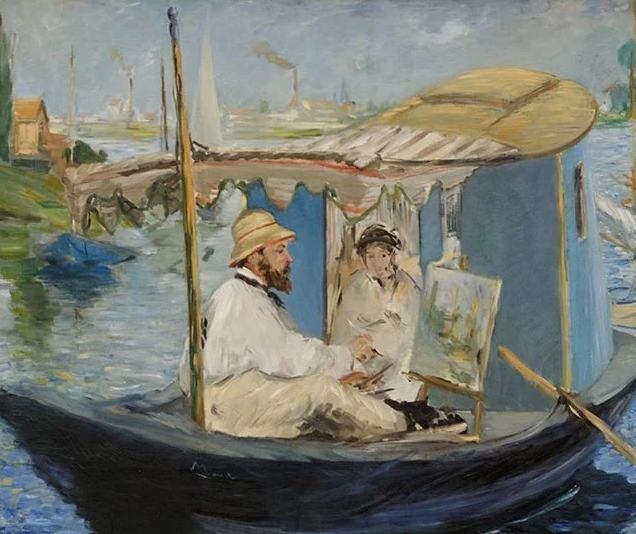
Manet was a trailblazer who defied the conventions of academic art by employing bold brush strokes and a looser approach to form. His famous works, such as “Olympia” and “Le Déjeuner sur l’herbe,” showcased figures in a way that was both provocative and grounded in everyday reality. Unafraid to tackle subjects that were considered inappropriate, Manet opened the door for artists to explore their personal narratives and societal issues without fear of criticism.
By utilizing strong contrasts in light and shadow, particularly in his depiction of human figures, Manet introduced a sense of immediacy into his work. His commitment to capturing the essence of modern life ignited questions around representation and reality that resonated deeply with emerging artists. This was a hallmark of modern art that encouraged experimentation and innovation in artistic expression.
-
- Explore Manet’s unique brush techniques in your own painting.
-
- Challenge conventions by addressing contemporary societal issues in art.
-
- Examine how color contrasts can enhance emotional impact in your work.
-
- Research how Manet’s style influenced Impressionism.
2. Themes of Modernity: Society and Identity
Manet’s art often tackled themes of modernity, reflecting a society in flux amid industrialization and urbanization. His focus on contemporary life can be seen in both his intimate portraits and larger societal pieces. Works like “A Bar at the Folies-Bergère” encapsulate the complexities of urban life, exposing the viewer to the alienation felt amidst bustling crowds.
Moreover, Manet’s exploration of identity paved the way for future artists to discuss not only societal norms but also personal narratives. By placing the viewer in the position of questioning the subject’s reality and intent, he effectively invited introspection and critical thought. Such themes would later be pivotal in modern movements, influencing artists like Picasso and Cézanne.
-
- Identify themes of modernity in your own surroundings.
-
- Consider how identity can alter perceptions in art.
-
- Reflect on the social commentary present in your current work.
-
- Engage with diverse perspectives on societal issues for richer narratives.
3. Influence on Future Generations: Legacy and Beyond
The legacy of Manet cannot be understated; his distinctive approach and thematic choices fundamentally altered the landscape of modern art. Artists who followed him, such as the Impressionists and Post-Impressionists, borrowed elements from his innovative techniques and thematic focuses to develop their own voices. His impact is evident not only in their technical execution but also in their choice of subject matter and narrative style.
Moreover, Manet’s work has been the subject of extensive scholarly discussion, signifying his role as a pivotal figure in art history. Exhibitions and retrospectives continue to explore his relevance, cementing his status as a leader of artistic innovation. His ability to question and subvert artistic norms has certainly inspired countless artists to push boundaries and think critically about their own creative processes.
-
- Study the works of artists influenced by Manet for inspiration.
-
- Participate in art communities to exchange ideas and techniques.
-
- Experiment with different media to expand your artistic expression.
-
- Attend exhibitions focused on modern art evolution for deeper understanding.
In conclusion, Édouard Manet’s contributions to art have left a lasting imprint, making him an essential figure in the transition to modernity. By embracing new techniques and tackling contemporary themes, he encouraged artists to think beyond traditional boundaries. Embrace your own creative journey, and consider how you can push the limits of your artistic expression.