
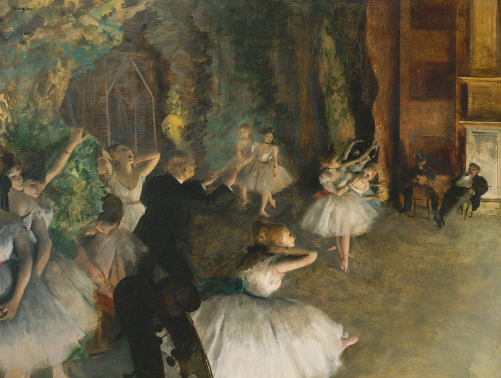
Edgar Degas is renowned for his captivating sculptures of ballerinas, which are remarkable representations of grace and movement. As a significant figure in the Impressionist movement, his work not only reflects the aesthetics of the time but also offers deeper insights into the world of ballet and its cultural implications.
In this blog post, we will explore Degas’ ballerina sculptures, the techniques behind them, and how they embody the principles of the Impressionist movement.
1. The Beauty of Ballerina Sculptures
Degas created over 150 sculptures, with ballerinas being a particularly favorite subject matter. These works are characterized by their dynamic poses and intricate details, capturing the essence of ballet. The sculptures often depict dancers in moments of rest or preparation, contrasting the high energy typically associated with performance.
One of the most celebrated pieces is “Little Dancer Aged Fourteen,” which presents a young dancer in a wax figure adorned with real fabric. This innovative approach attracted initial criticism but later transformed perceptions of sculpture in the art world. Degas’ ability to express emotion through figure subtlety has cemented these sculptures as iconic.
-
- Understand the context of the ballet world in Degas’ time.
-
- Explore the variety of materials used in Degas’ sculptures.
-
- Visit museums that showcase these masterpieces.
-
- Read biographies focused on Degas’ life and artistic journey.
2. Techniques and Inspirations in Impressionism
Degas was not a traditional Impressionist painter; he employed the techniques associated with the movement while forging his own path. Utilizing pastels and oils, he often depicted subjects in natural conditions and spontaneous moments. Although his sculptures were created in a more detailed manner, they still echoed the light and color influences of Impressionism.
His fascination with movement and light is evident in the way he captured the fluidity of dancers. Carefully observing real-life ballet performances, Degas translated his keen insights into his artworks, providing a distinct feeling of immediacy and emotion. This attitude towards observation and capturing fleeting moments was typical of the Impressionist ethos.
-
- Practice sketching moving subjects to understand dynamism.
-
- Experiment with different artistic mediums like pastels and oils.
-
- Visit art exhibits that explore the breadth of Impressionism.
-
- Engage with art communities to discuss techniques and styles.
3. Cultural Significance of Degas’ Work
Degas’ depictions of ballerinas highlight not only the beauty of dance but also the societal implications surrounding female artists in the late 19th century. Women often faced barriers in the art world, yet Degas’ focus on ballerinas illuminated their struggles and triumphs. In doing so, he presented them as both artists and athletes, breaking down traditional gender roles.
<pMoreover, the presence of ballet in Degas’ work reflects the cultural significance of dance as a form of entertainment and societal commentary. By highlighting the dedication, sweat, and sometimes the fragility of ballet dancers, he provided a deeper understanding of their world, allowing audiences a glimpse beyond the stage.
-
- Study the role of women in the arts during the Impressionist period.
-
- Attend performances and lectures that examine the intersection of art and society.
-
- Read stories and autobiographies of dancers from Degas’ era.
-
- Discuss with educators the societal changes reflected in art movements.
4. The Legacy of Degas’ Sculptures Today
The legacy of Degas’ ballerina sculptures continues to influence artists and dancers alike. His works are often referenced in modern dance and visual art, inspiring new generations to explore themes of movement, emotion, and the human condition. Furthermore, they spark scholarly discussions on sculpture techniques and the evolution of Impressionism.
Degas’ impact is felt not only in art galleries and museums but also in performing arts schools worldwide, where the grace and discipline of ballet continue to inspire countless dancers. Contemporary artists still draw upon his work, demonstrating how timeless themes transcending the boundaries of artistic mediums connect us all.
-
- Incorporate Degas’ style into your artistic explorations.
-
- Influence your dance or artistic community by sharing Degas’ techniques.
-
- Explore contemporary interpretations of Degas’ work.
-
- Engage with art critics to understand Degas’ enduring influence.
In conclusion, Edgar Degas’ ballerina sculptures are not just artistic masterpieces; they also encapsulate the spirit of an era filled with cultural shifts. By delving into Degas’ work, both seasoned art lovers and newcomers can appreciate the insights into ballet and the greater societal narratives he portrayed. Explore these artworks, engage with the ballet community, and consider how creativity continues to evolve from the foundations laid by artists like Degas.