Camille Pissarro is often hailed as one of the key figures in the development of Impressionism, a revolutionary art movement that changed the course of Western painting. Known for his mastery of light and color, Pissarro’s contributions were crucial not only to the movement but also in shaping the artistic community of his time.
1. Pissarro’s Early Influences and Style
Born in 1830 on the island of St. Thomas, Pissarro’s early life was marked by a diverse cultural background that played a significant role in his artistic development. He moved to France at a young age, where he was influenced by various artistic styles, including Realism and Barbizon. These influences combined to form a unique approach that would eventually lead him to co-found Impressionism.
In the early stages of his career, Pissarro focused meticulously on the effects of light and the natural world, which he captured by using quick brush strokes and brighter palettes. His pieces often depicted rural scenery, showcasing his deep appreciation for nature. This commitment to realism in conjunction with the innovative techniques of impressionism allowed Pissarro to create a distinctive voice within the movement.
-
- Explore the works of Realists like Courbet and Barbizon artists for foundational styles.
-
- Invest time observing how light changes the landscape at different times of the day.
-
- Experiment with quick brush strokes to capture immediacy in your paintings.
-
- Choose natural scenes that resonate with you personally for authenticity.
2. Contributions to Impressionism
Pissarro was not only an influential painter but also an essential mentor and supporter to a generation of artists. His friendship with figures such as Claude Monet and Edgar Degas fostered a collaborative environment that allowed Impressionism to thrive. He organized pivotal exhibitions that displayed Impressionist works, giving artists who might otherwise have been marginalized a platform to showcase their talent.
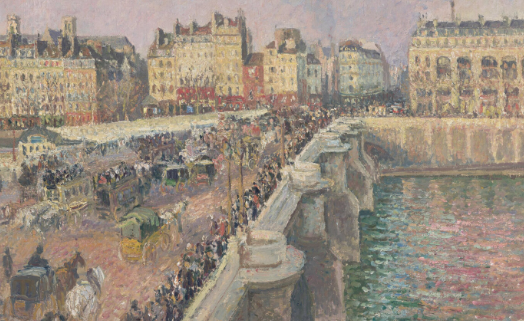
One of Pissarro’s significant contributions was the establishment of a new approach to painting – focusing on the fleeting moments of everyday life. His compositions often blurred the lines between individual subjects. For example, works like “Boulevard Montmartre, Spring” encapsulate the vibrancy of urban life and his ability to render movement through color and light. This innovative spirit inspired countless artists and redefined what art could represent.
-
- Engage with fellow artists to foster a collaborative community around your work.
-
- Participate in group exhibitions to gain visibility and network with other creators.
-
- Share feedback regularly to promote artistic growth among your peers.
-
- Embrace the beauty of everyday scenes as potential subjects for your art.
3. Legacy and Lasting Impact
Pissarro’s influence extended far beyond his own lifetime. His methods and ideas laid the groundwork for other movements such as Post-Impressionism, where artists like Vincent van Gogh and Paul Cézanne drew inspiration from his techniques. By pioneering a style that emphasized light, color, and movement, Pissarro challenged and reshaped artistic practices that followed.
The legacy of Pissarro also lives on through the institutions and exhibitions that continue to celebrate his work and the fundamentals of Impressionism. Today, museums around the world feature his paintings, and art schools teach his techniques to new generations of artists. Moreover, his ideas about accessible artistry resonate in contemporary movements advocating for inclusivity and diversity in art.
-
- Visit museums or online galleries to explore the breadth of Pissarro’s work.
-
- Investigate how Pissarro’s techniques can apply to modern art practices.
-
- Join art communities that cherish legacy and innovation alike.
-
- Share your understanding of Impressionism with peers and students alike.
In conclusion, Camille Pissarro’s journey through Impressionism remains relevant today, inspiring both artists and art enthusiasts. His love for light and nature, coupled with a commitment to collaboration, has shaped the art world profoundly. Embrace these artistic principles to further your journey or delve deeper into understanding one of art history’s pivotal figures.