Edgar Degas is often celebrated as one of the leading figures of Impressionism, yet his connection with photography significantly influenced his artistic approach. This blog post will explore how photography shaped Degas’s perspective and technique, and why understanding this relationship is essential for appreciating his work.
1. The Intersection of Photography and Art
Edgar Degas was fascinated by photography from a young age, seeing it not just as a medium but as an art form that could capture movement and emotion in a way painting could not. He was particularly drawn to the unique perspectives that photography provided, which helped him break away from traditional composition in his paintings. For instance, the slicing angles and cropped perspectives often found in his works echo the framing commonly seen in photographic images.
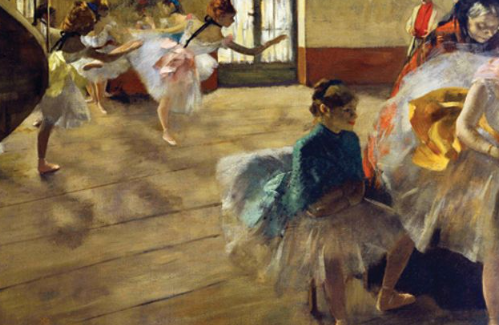
Moreover, Degas’s penchant for capturing candid moments can be traced to his appreciation for the spontaneous nature of photography. By employing similar techniques in his compositions, Degas captured dancers in mid-movement and everyday life scenes that felt lively and immediate. These influences can be seen in works like “The Dance Class,” where the immediacy has a photographic quality, making the viewer feel as though they are peering into a fleeting moment.
-
- Explore photography techniques to understand framing and perspective.
-
- Visit galleries displaying both photography and Degas’s works for comparison.
-
- Experiment with photographing your own subjects for practice.
-
- Look for everyday moments that could inspire your creativity.
2. Techniques Borrowed from Photography
Degas incorporated several photographic techniques into his paintings that revolutionized how figures were portrayed. One notable method was his use of unusual viewpoints and angles, often inspired by the way a photographer captures a scene. For instance, he frequently painted scenes where the subject appears to be cut off at the edges, mimicking the candid snap of a camera lens rather than a meticulously composed portrait. This technique allowed him to create a sense of movement and energy in his work.
Additionally, the concept of timing in photography influenced Degas’s approach to light and shadow. He mastered the play of light, often recreating the ephemeral qualities seen in photographs where light can dramatically alter the appearance of a scene. This understanding led him to experiment with color and contrast in ways that made his figures lifelike. By applying these techniques, Degas was able to infuse his art with a sense of realism that was both innovative and engaging.
-
- Experiment with different angles when photographing your subjects.
-
- Study how light interacts with objects during different times of the day.
-
- Practice sketching figures in motion to emulate Degas’s style.
-
- Compare classical and modern uses of light in various art forms.
3. The Legacy of Degas and Photography
Degas’s innovative use of photography not only influenced his contemporaries but also left a lasting legacy on generations of artists that followed. His ability to blend traditional painting techniques with the spontaneity of photography created a new vocabulary in visual arts, one that has permeated various modern artistic expressions. Artists like Henri Cartier-Bresson and newer generations have drawn inspiration from Degas’s work to capture the fleeting moments of daily life through their lenses.
In the present day, understanding the relationship between Degas and photography encourages aspiring artists to explore how different mediums can inform their practice. This intermedial approach fosters creativity, allowing artists to think outside the boundaries of traditional painting or photography alone. In turn, this can inspire unique styles that resonate with contemporary audiences, echoing the innovations of Degas.
-
- Study various artists influenced by Degas’s techniques.
-
- Keep a visual diary combining photographs and sketches for inspiration.
-
- Join workshops that blend photography and painting mediums.
-
- Reflect on how different styles can inform your own artistic journey.
In conclusion, the interplay between Edgar Degas and photography undeniably transformed his artistic expression and techniques. By exploring these relationships, both aspiring and established artists can find new inspiration in their work. Whether it’s through studying Degas’s masterpieces or experimenting with your own artistic methods, the journey is sure to expand your creative horizons.