Edgar Degas, a pivotal figure in the Impressionist movement, is often celebrated for his remarkable ability to capture the human form and emotion within his portraits. While much of his work focuses on ballet dancers and scenes from Parisian life, his portraits stand out due to their deep psychological realism. This blog post will explore how Degas achieved this vivid representation of emotion and personality through his art.
1. Understanding Psychological Realism in Portraiture
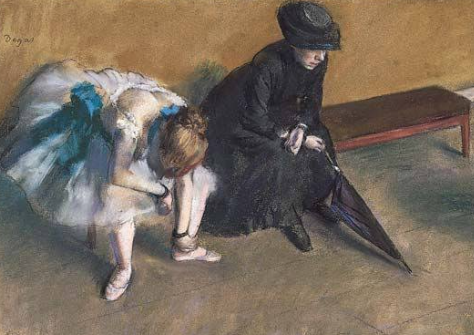
Psychological realism refers to the ability of a portrait to convey a subject’s inner emotions and thoughts, creating a more profound connection between the viewer and the portrayed. Degas mastered this technique by focusing not only on the physical representation but also on the psychological state of his subjects. In works such as “Portrait of a Woman,” the subtle expressions and careful posture invite the viewer to ponder the thoughts and feeling enveloping the woman, showcasing her deeper emotional state rather than just her physical appearance.
Degas often employed unique angles and lighting to reveal the psychological depth of his subjects. Unlike traditional portraiture that emphasizes frontal views, he utilized side angles and half-lit scenes to create a sense of intimacy and introspection. This approach allows viewers to engage with the subject on a more personal level, making the emotional narratives more palpable and relatable.
-
- Learn about psychological realism to enhance your understanding of art.
-
- Observe the emotional expressions depicted in character-driven portraits.
-
- Experiment with angles and lighting in your drawings or photography.
-
- Reflect on the emotions you want to convey in your own artistic expressions.
-
- Visit art galleries to experience psychological realism firsthand.
2. The Use of Color and Composition
Color plays an essential role in conveying emotional depth in Degas’s portraits. He often selected tones that resonate with the human experience, utilizing a mix of soft and contrasting colors to evoke specific feelings. For instance, in “The Absinthe Drinker,” the muted greens and browns create an atmosphere of melancholy and introspection, reflecting the subject’s emotional struggles. This intentional palette reinforces the narrative behind the portrait, encouraging viewers to feel as much as see.
In addition to color, composition is vital in guiding the viewer’s emotional response. Degas skillfully arranged elements within his portraits to create tension or harmony. The placement of subjects within the frame or the spacing of figures often directs the viewer’s focus and elicits particular feelings. Analyzing the composition allows one to uncover the emotional layers embedded within a painting, enhancing the understanding of psychological realism.
-
- Experiment with color palettes to evoke different emotions in your art.
-
- Analyze compositions of existing artwork to understand emotional impact.
-
- Try creating portraits with various color intensity to learn effects.
-
- Seek feedback to gauge how your use of color affects emotional portrayal.
-
- Study Degas’s work in exhibitions to see color and composition in practice.
3. The Influence of Movement and Gesture
Degas’s portraits are often characterized by a dynamic sense of movement and gesture that enhances their psychological realism. Unlike static poses common in traditional portraiture, he captured his subjects in moments of everyday life, revealing the authenticity of human emotion. By depicting gestures and body language, he provides insights into the characters’ states of mind, such as in “Dancer in Repose,” where the relaxed pose and facial expression convey a deep sense of tranquility and freedom.
This focus on movement creates a narrative that goes beyond mere physical representation. Capturing a fleeting moment moves the viewer beyond the artwork into the personal experience of the subject. The vitality within Degas’s portraits highlights the complexity of human emotion, making it essential for artists to consider how movement can enhance their portrayals.
-
- Practice sketching people in motion to capture dynamic expressions.
-
- Pay attention to body language and gestures when observing others.
-
- Incorporate elements of movement in your portraits for greater impact.
-
- Consider how various poses change the emotional message of your work.
-
- Study Degas’s ballet dancers for inspiration on movement and gesture.
In summary, Edgar Degas’s dedication to psychological realism in his portraits reflects a mastery of color, composition, and movement that invites viewers to explore the deeper emotional narratives within. For those interested in enhancing their portrait skills, studying Degas’s techniques can offer invaluable insights into how to convey complexity and authenticity in character portrayals. So, take the next step: explore more of Degas’s works, practice these techniques in your art, and deepen your own understanding of emotional expression!