
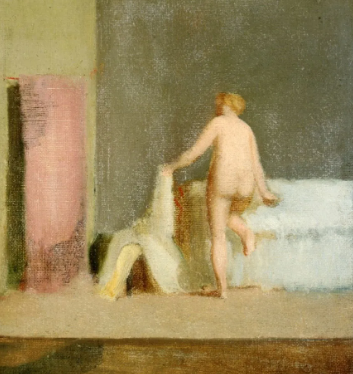
Edgar Degas, one of the prominent figures of the Impressionist movement, had a unique ability to capture the essence of private moments, particularly through his iconic paintings of women bathing. His work resonates with the subtleties of daily life and intimate rituals, making these pieces deeply relatable and profoundly human.
1. The Artistic Context of Women Bathing Paintings
Degas painted women bathing during a time when the Impressionist movement was gaining traction. This period saw artists breaking away from traditional methods of capturing light and form. Degas’s focus on domestic scenes and the female figure reflects both the changing art landscape and social dynamics of the late 19th century. He was particularly known for his ability to portray movement and candidness, often depicting women in moments of solitude and reflection.
The subject matter of bathing women offered a glimpse into the private lives of women in that era, juxtaposing the public and private spheres. By doing so, Degas invited viewers to consider the emotional landscape of his subjects, dissolving the boundaries between viewer and the observed. The choices of angles and compositions show intimate spaces where these women could express vulnerability and comfort.
-
- Explore the history of the Impressionist movement.
-
- Understand the social context of women in the 19th century.
-
- Look at how public vs. private life was depicted in art.
-
- Consider how Degas used color and light in his paintings.
2. Famous Works Featuring Women Bathing
Degas produced several notable works centered around the theme of women bathing, each presenting unique perspectives and narratives. Works such as “The Bath” (1890) and “Woman Bathing” (1891-1892) exemplify his skill in capturing the intimate moments of women as they engage in self-care rituals. The life-like poses and delicate brushwork reveal the quiet grace and naturalism that Degas was known for.
In these pieces, the composition is as compelling as the subject matter; Degas often uses unconventional perspectives that allow viewers to feel as if they are peeking into a private space. The use of pastels and oils beautifully conveys the softness of skin and water, emphasizing a serene emotional climate. Each painting evokes a sense of tranquility and introspection, inviting the viewer to ponder the quiet significance of these everyday actions.
-
- Research iconic paintings like “The Bath” and “Woman Bathing.”
-
- Analyze the techniques used in the depictions of light and shadow.
-
- Explore the emotional narratives depicted in each artwork.
-
- Visit galleries or online collections to see these works in detail.
3. The Symbolic Meanings Behind Bathing
Bathing goes beyond mere hygiene; it symbolizes renewal, intimacy, and self-reflection. In Degas’s paintings, the act of bathing serves as a metaphor for cleansing not just the body, but also the spirit. The secluded environment usually depicted, often filled with soft light, creates an intimate atmosphere that emphasizes these themes. These women are portrayed in a state of undress, which heightens the emotional depth and vulnerability within the artwork.
The symbolism of water as a life source is also prevalent. It connects the women to nature and the cycles of life, hinting at themes of rebirth and transformation. Degas skillfully amplifies these ideas through his choice of colors and light, which evoke feelings of calmness and introspection. This thematic richness adds layers to the understanding of both his art and the nature of femininity during this period.
-
- Reflect on what bathing symbolizes in your own life.
-
- Analyze how experiences of vulnerability resonate across cultures.
-
- Consider how the portrayal of women has evolved in contemporary art.
-
- Explore the role of water in art history beyond Degas’s works.
4. Techniques Used by Degas to Capture Intimacy
Degas’s mastery in composition and color makes his bathing women feel alive and relatable. He often employed unusual angles, as seen in some of his works where the viewer is positioned almost as if they are intruding on the scene. This unconventional approach fosters a sense of intimacy and immediacy, making the viewer feel part of a confidential moment that would normally remain private.
Moreover, Degas’s use of light contrasts emphasizes the physical beauty of his subjects. He blended colors in such a way that allows for a seamless transition from light to shadow, imbuing his paintings with a three-dimensional quality. His brush strokes can often appear loose and spontaneous, which contributes to the overall sense of movement and liveliness, drawing viewers into the depicted moment.
-
- Examine the influence of photography on Degas’s work.
-
- Practice painting or sketching from unconventional angles.
-
- Analyze the impact of color theory in art.
-
- Explore the emotional resonance of brush stroke techniques.
In conclusion, Edgar Degas’s paintings of women bathing illuminate the beauty of private moments and the complexities of femininity. By engaging with his work, viewers can gain deeper insights into both art and the human experience, encouraging them to appreciate the daily rituals that shape our lives. Dive into the world of art, and let it inspire your own reflections on the intimate moments that define your life.