Edgar Degas, one of the prominent figures of the Impressionist movement, had a profound fascination with ballet. His artworks capture not only the grace and beauty of ballet dancers but also the intimate and often unnoticed backstage scenes that convey the hard work and dedication behind the curtain. In this post, we will delve into Degas’s captivating ballet paintings and explore the stories hidden in his backstage depictions.
1. The Beauty of Ballet: Degas’s Masterpieces
Degas’s portrayal of ballet is renowned for its unique perspective and emotional depth. One of his most famous works, “The Ballet Rehearsal,” showcases a group of dancers preparing for a performance. The composition features a lively, dynamic arrangement where the viewer feels like an observer in the rehearsal room, experiencing the raw energy and dedication of the dancers. His use of unusual angles and cropped figures draws the audience into the scene, creating an intimate atmosphere that is characteristic of his style.
Another notable painting, “Dancers in Green,” captures the elegance of a dancer caught in motion. The play of light on the fabric of the tutu and the posture of the dancer speaks volumes about Degas’s skill in conveying movement and emotion. The soft, flowing brush strokes highlight the grace of ballet while revealing the underlying strength of the dancers. Through these paintings, Degas immortalizes not just the beauty but the complexities of ballet as an art form.
-
- Visit art galleries showcasing Degas’s work to appreciate the detail up close.
-
- Analyze the unique perspectives in his ballet paintings.
-
- Research the history of ballet to understand the context of his works.
-
- Consider how Degas’s techniques influence contemporary ballet artists.
2. Backstage Pass: The Hidden World of Dancers
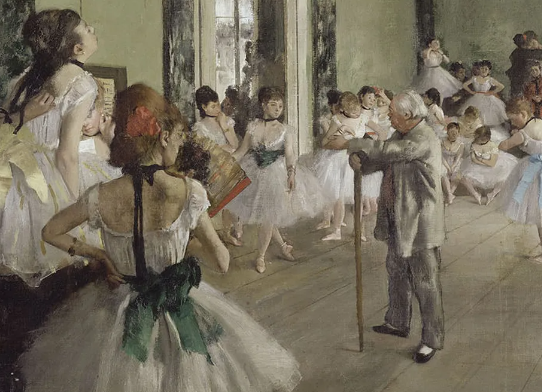
In addition to on-stage performances, Degas was captivated by the backstage moments that often go unnoticed. His paintings often depict dancers in candid moments of rest or preparation, such as “The Ballet Class.” This piece illustrates not only the practice and discipline required for ballet but also provides a glimpse into the lives of the dancers themselves. The expressions and body language of the performers reveal their emotions, ranging from tension to excitement, making these backstage moments feel incredibly real and relatable.
Degas’s ability to blend realism with impressionism allows viewers to see beyond the beauty of ballet to the dedication and toil involved. In his “Dancers Practicing at the Bar,” we see the dancers focusing on their techniques, showcasing their commitment to their craft. This focus adds depth to the viewer’s understanding of ballet, emphasizing that each performance is the result of countless hard hours of practice.
-
- Explore Degas’s backstage paintings to gain insight into the dancers’ lives.
-
- Consider how the environment of a dance studio influences performance.
-
- Identify the emotions displayed in the dancers’ expressions.
-
- Reflect on how stress and preparation are universal experiences in many professions.
3. The Influence of Photography on Degas’s Work
Degas was deeply influenced by the developments in photography during his lifetime. The ability to capture motion in instantaneous snapshots inspired many of his compositions. This influence is evident in his use of unusual framing and candid moments that a traditional painter may have overlooked. For example, in “The Dance Class,” Degas manages to capture a moment that appears both spontaneous and structured, echoing the dynamic nature of photography itself.
This technique of freezing a moment in time allows Degas to express the transient nature of dance. The fluidity and movement he captures mirror techniques used in photography, where a click of the shutter can immortalize a temporary moment. Degas often arranged his compositions to mirror photographic snapshots, elevating his paintings to an innovative level that played with traditional artistic boundaries.
-
- Consider how modern photography influences contemporary art forms.
-
- Experiment with photographing moving subjects to understand motion capture.
-
- Study how framing and composition affect storytelling in both painting and photography.
-
- Research how different artists integrate photography into their work.
In conclusion, Edgar Degas’s ballet paintings and backstage scenes offer a unique insight into the world of dance and the artistic process. His ability to capture both the beauty and the struggles of dancers enriches our appreciation of ballet. We encourage you to explore more about Degas’s works and the world of ballet, whether by visiting galleries, reading books, or perhaps even taking a ballet class yourself!