Mary Cassatt, an American painter and printmaker, significantly impacted the Impressionist movement, particularly with her mastery of pastels. Her works often showcase intimate scenes of women and children, revealing the tender and nuanced aspects of everyday life. In this blog post, we will delve into her pastel technique and explore the intimate scenes that defined her legacy.
1. The Charm of Pastel Technique
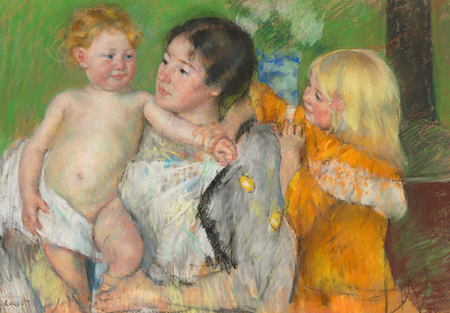
Mary Cassatt’s pastel technique is notable for its vibrant color and delicacy. Unlike oil paints that can appear thick and heavy, pastels offer a softer, more ethereal quality. Cassatt often layered her pastels, applying them in thin strokes to create depth and texture. This method allowed her to capture the subtle nuances of light and shadow, an essential aspect in creating the tender atmospheres present in her works.
Another significant feature of Cassatt’s pastel technique was her ability to blend colors effectively. By using her fingers or tools to smudge and soften her strokes, she could achieve a seamless transition between hues. This blending was essential for depicting realistic skin tones and the gentle, fluffy textures of clothing and hair. As a result, her subjects appear lifelike and infused with emotion, inviting viewers into the intimacy of her scenes.
-
- Experiment with layering different colors to achieve depth.
-
- Use your fingers or blending tools to create soft transitions.
-
- Choose high-quality pastels for vibrant colors.
-
- Practice on textured paper to enhance the effects of your strokes.
-
- Observe the way light interacts with surfaces to replicate it in your work.
2. Capturing Intimate Scenes
Cassatt’s focus on intimate scenes often revolved around maternal relationships, a theme that resonates universally. She frequently portrayed mothers and their children in tender moments, such as playing or comforting one another. By focusing on these everyday interactions, Cassatt emphasized the emotional bond that is often taken for granted, making her art relatable and heartfelt.
Moreover, the intimate settings Cassatt chose often included domestic spaces, such as nurseries or parlor rooms, where the subjects felt at ease. This choice added layers of meaning to her work, as the familiar surroundings heighten the emotional connection. Each brushstroke and pastel hue tells a story, allowing viewers to feel the warmth and love in scenes like “The Child’s Bath” or “Mother and Child.” Through these depictions, Cassatt invites us to reflect on our experiences and relationships.
-
- Focus on genuine interactions for more impactful art.
-
- Pay attention to body language and facial expressions.
-
- Create a cozy environment in your compositions to enhance intimacy.
-
- Experiment with different angles to portray closeness effectively.
-
- Use color choices to evoke different emotional responses.
3. Influences and Insights
Cassatt was heavily influenced by her contemporaries, including Edgar Degas, who encouraged her to experiment with innovative techniques and perspectives. This mentorship inspired her to distill moments of everyday life into sublime experiences through her art, particularly in her pastel works. By adapting the Impressionist style to focus specifically on women’s lives, Cassatt brought a fresh, intimate perspective to the movement.
Furthermore, her engagement with the women’s suffrage movement drove her to portray strong female characters and the significance of female experiences in her artworks. This focus on women not only reflected her own life in America but also echoed the broader societal changes occurring during her time. Cassatt’s ability to combine personal and political narratives made her art revolutionary and continues to resonate with audiences today.
-
- Explore the works of your contemporaries to expand your artistic style.
-
- Consider how personal experiences influence your creations.
-
- Engage with societal themes to deepen your artistic narratives.
-
- Balance technical skill with emotional depth in your work.
-
- Attend local art exhibitions to gain insights and inspiration.
4. The Legacy of Mary Cassatt
Mary Cassatt’s contributions to art extend far beyond her pastel techniques and intimate portrayals. She opened doors for women in art, proving that their experiences and perspectives hold significant value. Her works continue to inspire new generations of artists, particularly those who wish to capture the intricacies of human relationships.
Today, Cassatt’s paintings can be found in numerous galleries worldwide, celebrated as precious cultural artifacts. Artists looking to understand the emotional landscape of their subjects often turn to her examples. The way she blended Impressionism with intimate narratives remains a vital lesson for contemporary artists seeking to convey depth and complexity.
-
- Research more about Mary Cassatt’s life to understand her artistic voice.
-
- Visit museums that feature her work for firsthand experience.
-
- Try creating your own intimate scenes based on your daily life.
-
- Share your art with a community for feedback and growth.
-
- Reflect on your influences and how they shape your creativity.
Mary Cassatt’s pastel technique and the intimate scenes she meticulously crafted continue to resonate with viewers today. By understanding her methods and themes, today’s artists can draw inspiration to explore similar narratives in their work. Dive into your creative journey, channel your connections, and perhaps you can create your own poignant expressions of intimacy and emotion.