Claude Monet’s poppy field paintings are celebrated masterpieces that capture the interplay of light and color in the natural world. By focusing on these vibrant scenes, Monet offered a fresh perspective on outdoor light and its transformative effects on landscapes. This blog post will explore the significance of his poppy fields and the techniques he utilized to depict outdoor illumination.
1. The Beauty of Poppy Fields
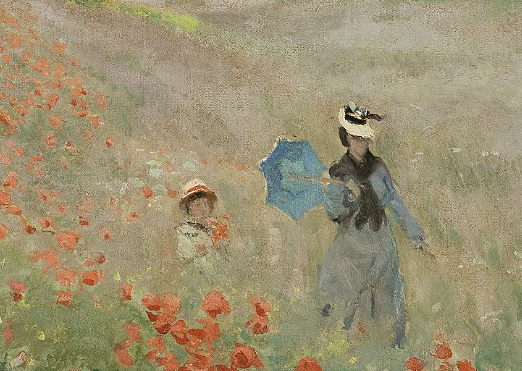
Monet’s fascination with poppy fields is rooted in their vibrant colors and idyllic scenery. Much of his work reflects the beauty of nature and serves as a reminder of the simplicity and joy that resides in the outdoors. His famous painting, “Poppy Field in Argenteuil,” displays a lush, picturesque field splashed with bright red poppies under a vast blue sky, inviting viewers to appreciate the serene beauty of the landscape.
Monet often worked en plein air, allowing him to capture the ever-changing qualities of light as it fell across the fields. This technique helped him express the essence of the poppy fields, emphasizing their fleeting beauty. Many of his paintings depict not just the flowers but also the effects of sunlight filtering through the atmosphere, portraying an interconnectedness of nature and light that is central to Impressionism.
-
- Visit poppy fields during peak bloom for the best visuals.
-
- Take photographs in different lighting conditions to capture various moods.
-
- Research local gardens or meadows that host poppy displays.
-
- Consider the time of day—early morning or late afternoon often yields the best light.
2. Techniques Monet Used to Capture Light
Monet adopted a revolutionary approach to painting that focused heavily on light and its effects over different times of day. He would often layer paint in a way that created a shimmering effect on the canvas. To achieve the distinct highlights and shadows that characterize his poppy fields, he used a technique known as ‘broken color,’ where he placed small strokes of pure color next to one another rather than blending them. This method provided a dynamic, vibrant quality that breathed life into his work.
Another crucial aspect of Monet’s technique was his choice of color palette. He primarily used bright reds, greens, and soft blues, balanced by muted tones to highlight the primary hues. This selective combination allowed Monet to create depth and luminosity in his paintings, portraying not only the flowers but also their environment. The interplay of color and light draws viewers into each scene, prompting them to see the beauty in the simple act of blooming flowers swaying in the breeze.
-
- Experiment with broken color techniques in your practice.
-
- Mix colors on your palette to achieve vibrancy.
-
- Observe how light interacts with the surroundings before you paint.
-
- Keep your color palette simple for stronger cohesion.
3. Viewing Poppy Fields: An Experience Beyond the Canvas
Experiencing poppy fields in person provides a deeper understanding of Monet’s artistic vision. Being surrounded by the actual textures, sounds, and fragrances of flowers can expand one’s appreciation for these works. This immersive experience allows visitors to see firsthand how light shifts over the landscape and affects the perception of color, replicating the dynamic quality present in Monet’s paintings.
Many art enthusiasts and tourists embark on journeys to view fields of poppies, seeking to connect with nature and art simultaneously. Visiting these spaces can also act as a source of inspiration for both artists and casual observers, reminding everyone of the serene beauty present in the natural world, just as Monet captured in his work.
-
- Plan a visit to local or renowned poppy fields during their seasonal blooms.
-
- Bring a sketchbook or camera to capture the experience.
-
- Take time to relax and observe the movement of light across the landscape.
-
- Engage with local communities or art groups for guided experiences.
In conclusion, Claude Monet’s poppy field paintings serve as beautiful representations of outdoor light and nature. By integrating practical art techniques and encouraging personal experiences, he invites viewers to appreciate the magic that unfolds in our surroundings. Consider stepping outside, finding a local field, or simply observing how light interacts with the world around you, allowing beauty to inspire your artistic endeavors.