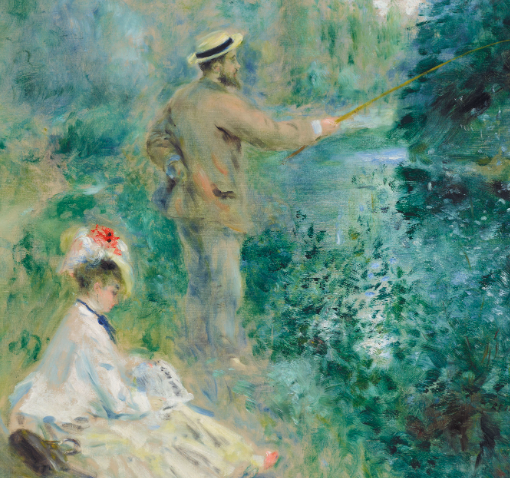
Pierre-Auguste Renoir is an iconic figure in the world of Impressionism, known for his vivid portrayal of beauty in everyday life. His portraits not only capture the essence of his subjects but also the very spirit of the Impressionist movement, emphasizing light, color, and emotion.
1. The Essence of Renoir’s Portraits
Renoir’s portraits are imbued with a sense of warmth and intimacy that draws viewers in. He often depicted friends and family, capturing their personalities in a way that felt both personal and relatable. A prime example is “Luncheon of the Boating Party,” where Renoir paints a group of friends enjoying a sunny afternoon. The casual arrangement of figures allows each personality to shine through, inviting the viewer to engage in the scene.
Moreover, Renoir’s ability to manipulate light and color is unparalleled. He often used vibrant palettes and soft brushstrokes, which created a sense of movement in his works. In portraits like “Portrait of a Woman” (also known as “Woman with a Parasol”), the play of light on the subject’s face and attire adds an ethereal quality, making the viewer almost feel the moment captured in time.
-
- Explore various Renoir portraits to understand his style.
-
- Observe how light influences the mood of each painting.
-
- Consider the relationships depicted in his work.
-
- Reflect on the emotions portrayed in each subject.
2. Techniques Used in Impressionist Portraits
One of the hallmarks of Renoir’s style is his loose, expressive brushwork, which lends a sense of spontaneity to his portraits. Rather than rendering faces with precision, he focused on capturing the overall feeling of the moment through color and form. This technique not only makes the subjects lifelike but also allows them to embody a sense of motion and life.
Renoir’s use of color is also significant; he often applied rich hues and a variety of tones to express skin, clothing, and background. For instance, in “Girl with a Watering Can,” the vibrant colors and deft brushstrokes bring a sense of joy and vitality to the young girl. This approach emphasizes the beauty of light and shadow, making his subjects sing with vibrancy.
-
- Experiment with brush techniques to evoke emotion in your art.
-
- Play with color mixing to find the right tones for skin and background.
-
- Try painting from life to capture spontaneous moments.
-
- Use broader strokes to convey movement and energy.
3. The Impact of Renoir’s Work on Modern Portraiture
The influence of Renoir’s portraits can be seen in contemporary art, especially in the realm of portrait painting. Modern artists continue to draw inspiration from his loose brushwork, vibrant use of color, and focus on light. Many have adopted these techniques to forge their unique styles, blending Impressionist aesthetics with new ideas and themes.
In addition to influencing individual artists, Renoir has contributed to how society perceives portraits. Today’s artistic expressions often prioritize emotional truth over realistic representation, which echoes Renoir’s approach. This shift has opened doors for creative freedom in modern portraiture, allowing artists to explore a wide range of emotions and subjects.
-
- Study modern artists who are influenced by Impressionism.
-
- Incorporate Impressionist techniques into your own work.
-
- Attend art classes or workshops focused on portrait painting.
-
- Engage with art communities to share and discuss techniques.
4. Renoir’s Legacy in the Art World
Pierre-Auguste Renoir’s contributions to art extend beyond his paintings; his work has become foundational in art history. The Impressionist movement, of which he was a key figure, transformed painting from traditional realism to a new realm where color, light, and perception played pivotal roles. His portraits continue to be celebrated and studied for their emotional depth and innovative techniques.
Moreover, Renoir’s influence can be seen across various genres, not just in portraiture. His perspectives on beauty and daily life resonate in genres such as landscape and still life, inspiring countless artists to explore these themes. As a result, his legacy persists, reminding future generations of the beauty found in everyday moments.
-
- Visit museums that feature Renoir’s work.
-
- Read books and articles about the Impressionist movement.
-
- Consider how his themes relate to modern life and art.
-
- Participate in community discussions or forums about Impressionism.
Renoir’s portraits challenge us to see beauty in the ordinary and inspire us to express these sentiments through our artistic endeavors. As you explore his work, embrace the techniques and themes that resonate with you, and consider how you can apply them to your creativity today.