
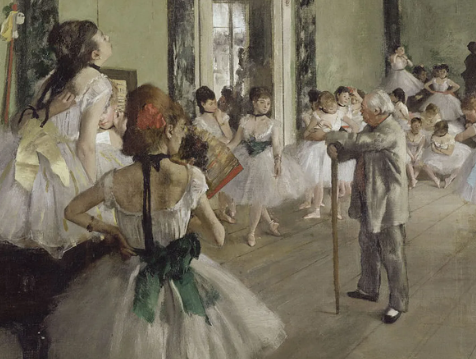
Edgar Degas, one of the most celebrated figures of the Impressionist movement, is renowned for his exquisite portrayals of ballet dancers. His work captures the grace, discipline, and ephemeral beauty of the art form. Today, we’ll explore how Degas’s representations of dancers resonate with modern life and the lessons we can glean from them.
1. The Captivating World of Ballet Dancers
Degas’s fascination with ballet dancers stems from more than just their physical grace; it revolves around the broader themes of ambition and the transient nature of art. His paintings often depict behind-the-scenes moments, providing insight into the rigorous training and dedication required to excel in this art. By showcasing dancers, often in candid poses, Degas allows us to witness their vulnerability and the hard work that goes unseen during performances.
In modern times, the world of ballet still reflects the same dedication and artistry that Degas depicted. Many dancers undergo grueling schedules and training regimens, often sacrificing personal time and physical well-being for their passion. This commitment not only highlights the artistry of ballet but also emphasizes the broader significance of pursuing one’s dreams in contemporary life.
-
- Visit a local ballet studio to observe classes.
-
- Attend a ballet performance to appreciate the art form.
-
- Consider taking a dance class to experience the rigor firsthand.
-
- Read about famous dancers to understand their journeys.
2. The Intersection of Art and Emotion
Degas’s paintings offer an emotional palette that captures the feelings of the dancers. The thoughtful expressions on their faces and their body language embody a myriad of emotions, from joy and elation to exhaustion and frustration. This emotional depth makes his work timeless and relatable, inviting viewers to reflect on their own experiences of passion and perseverance.
In today’s fast-paced world, emotions often become sidelined. Yet, embracing and expressing them is crucial for mental health. Engaging in art—whether through viewing, creating, or dancing—can be an effective outlet for understanding and dealing with emotions. Just as Degas captured the richness of life through his art, we too can benefit from acknowledging and expressing our feelings, using creativity as a means of connection.
-
- Keep a journal or start a blog about your emotional journey.
-
- Create art or engage in a creative hobby to express emotions.
-
- Join a community that encourages sharing feelings through art.
-
- Attend workshops that focus on emotional expression.
3. The Persistence of Practice and Learning
Degas’s dancers exemplify that mastery in any field, including the arts, requires persistent effort and continuous learning. He often portrayed dancers in various stages of practice, highlighting the necessity of diligence. Through the lens of Degas’s work, we can draw parallels to current life challenges where persistence and a willingness to learn become pivotal for success.
In a world rife with distractions and quick fixes, the value of dedicated practice is sometimes lost. However, whether you are learning a new skill, pursuing a career, or managing personal growth, a Degas-inspired approach to practice can lead to profound improvement and fulfillment. Recognizing the beauty in the journey and not just in the outcomes can be a game changer.
-
- Set aside dedicated time each week for practice or learning.
-
- Create a clear plan or curriculum for what you want to learn.
-
- Track your progress and celebrate small wins along the way.
-
- Find a mentor or join a group to keep you accountable.
4. The Impact of Observation and Perspective
A standout aspect of Degas’s work is his skillful observation of movement and detail. He captured not only the physicality of ballet but also the ambiance of the theater, the backstage drama, and the quiet moments between rehearsals. By honing his observational skills, Degas crafted an undeniable authenticity in his work that resonates with viewers, inviting them into a different world.
In our own lives, developing the ability to observe keenly can enhance our experiences and relationships. It encourages us to notice the details around us, promoting mindfulness and a deeper appreciation for everyday moments. Shifting our perspective, just as Degas did, can help us understand our surroundings and our interactions more profoundly.
-
- Practice mindfulness techniques to improve observation skills.
-
- Engage in daily journaling to reflect on your observations.
-
- Take up photography to capture everyday details.
-
- Participate in activities like nature walks to enhance your awareness.
In conclusion, Edgar Degas’s works serve as a powerful reminder of the beauty in discipline, emotion, and observation. By emulating his approach to life and art, we can cultivate a deeper understanding of ourselves and the world around us. Whether through dance, expression, or dedicated learning, take the next step towards enriching your life today.