Eva Gonzalès was a prominent figure in the Impressionist movement, celebrated not only for her artistic talent but also for her compelling portrayals of women. Her work offers a unique insight into the experiences and representations of women during the late 19th century. In this post, we’ll explore how Gonzalès’ portraits encapsulate the essence of femininity in Impressionism.
1. The Role of Women in Impressionism
Impressionism emerged as a revolutionary art movement in the late 19th century, characterized by its focus on light, color, and the everyday lives of average people. Women, both as artists and subjects, played a crucial role in this transformation. They challenged societal norms by actively engaging in art, not just as muses but as influential contributors to artistic expression. Their presence enriched the movement, providing diverse perspectives on the shared human experience.
While female Impressionists weren’t as widely recognized during their time, many, like Eva Gonzalès, made significant contributions. They focused on domesticity, nature, and intimate portraits, capturing the essence of women’s lives. Gonzalès’ work often depicted women in their private moments, underscoring their emotional depth and complexity. This focus gave rise to a new narrative that celebrated women’s individuality against the backdrop of a rapidly changing society.
-
- Research the contributions of key female Impressionists.
-
- Explore the themes present in women-centric artworks.
-
- Attend exhibitions celebrating female artists.
-
- Share your insights about women in Impressionism on social media.
2. Eva Gonzalès: A Unique Vision in Portraiture
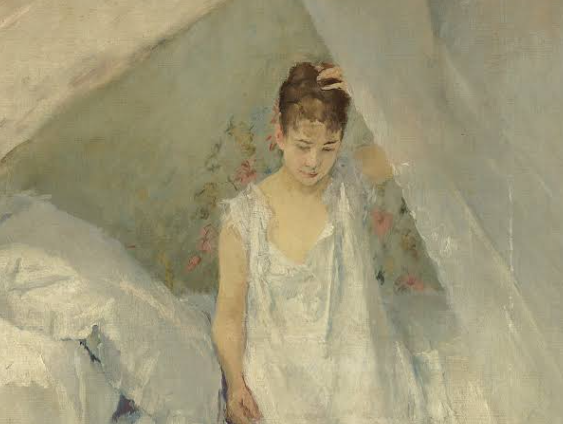
Eva Gonzalès was known for her striking portraits, particularly of women, which often featured a rich interplay of light and color. Her work distinguishes itself by combining traditional elements with an innovative modern approach. One notable piece, “The Wounded Swan,” showcases a woman whose pensive expression invites viewers into her world, balancing beauty with emotional complexity. This duality reflects Gonzalès’ deep understanding of her subjects.
Gonzalès trained under esteemed Impressionist Edouard Manet, which helped her refine her technique and develop a unique style. Unlike many of her male counterparts, she focused extensively on domestic settings, giving insight into women’s elaborate inner lives. By emphasizing the subtleties of posture and expression, Gonzalès created portraits that conveyed authentic emotions, drawing the viewer into intimate, reflective spaces.
-
- Study Gonzalès’ most famous works to understand her style.
-
- Analyze the emotions expressed in her portraits.
-
- Practice your portrait sketching using her techniques.
-
- Create a portfolio inspired by her themes.
3. The Feminine Experience Through Gonzalès’ Lens
The essence of femininity in Gonzalès’ portraits lies in her ability to capture not just the physical attributes of her subjects but their inner emotional landscapes. Her depictions often reveal narratives of strength, vulnerability, and beauty. For instance, her “Jeune Femme au Tambourin” paints a picture of youthful exuberance while simultaneously hinting at the constraints placed upon women in society. Each brushstroke reveals layers of complexity within the female spirit.
Moreover, Gonzalès’ emphasis on color and light also brings forth a sense of vitality. Her use of bright hues and soft shades creates an atmosphere that is both welcoming and contemplative, inviting viewers to explore the emotional depths of each character. Through her lens, we gain not only a visual understanding but also an emotional connection to the experiences of women of her time.
-
- Reflect on how your own experiences shape your art.
-
- Discuss the role of emotional expression in your creative work.
-
- Experiment with color and light in your artwork.
-
- Attend workshops focusing on emotional storytelling in portraits.
In conclusion, Eva Gonzalès’ portraits serve as a powerful reminder of women’s place within Impressionism. They offer a lens through which we can understand the subtleties of femininity during a transformative era. By exploring her work and the broader implications of female representation, we can appreciate the richness of women’s contributions to art and society. If you’re inspired, take the next step by visiting exhibitions or engaging with communities that celebrate women’s art.