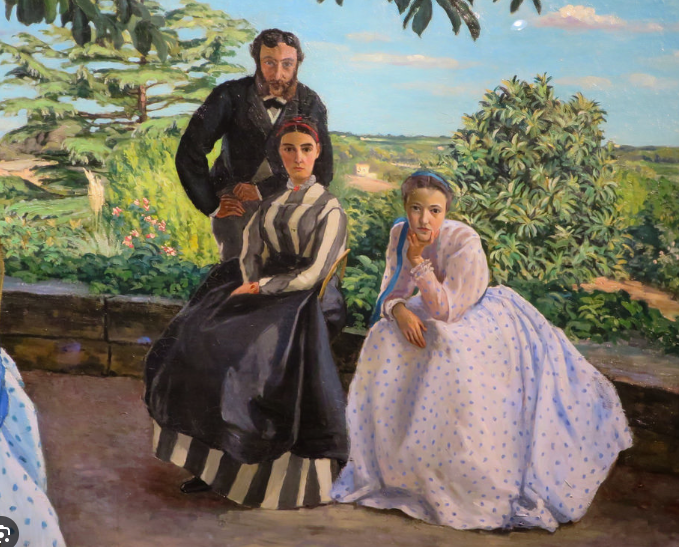
Frédéric Bazille, a pivotal figure in the Impressionist movement, created immersive and evocative works that often captured the essence of his familial relationships. One such notable painting is “Family Reunion,” where Bazille showcases his love for portraiture intertwined with a candid family atmosphere. This blog post delves into the analysis of this painting, exploring its historical context, composition, and the themes it presents.
1. Historical Context of Bazille’s Work
Frédéric Bazille was active during the mid-to-late 19th century, a time rife with innovation in the art world as Impressionism was emerging. Born into a wealthy family, Bazille’s social standing allowed him to pursue art without financial pressure. His painting “Family Reunion,” created in 1867, reflects both personal and societal shifts occurring at the time, focusing on the importance of family ties amidst the rapidly changing cultural landscape of France.
During this period, France was experiencing a wave of modernism, which influenced many artists to break away from traditional forms. Instead, they aimed to portray life as it existed in real-time, focusing on natural light and informal scenes. Bazille, known for capturing such moments, employed his privileged background to gather his relatives, making them subjects of his art. The familial environment in “Family Reunion” highlights a comforting juxtaposition against the bustling and industrial backdrop of contemporary French society.
-
- Research the timeline of Impressionism to understand the painting’s context.
-
- Read about Bazille’s life to gain insights into his influences.
-
- Look for biographies and critiques of Bazille’s work online.
-
- Explore how family dynamics were represented in artwork of the era.
2. Composition and Color Palette
The composition of “Family Reunion” is marked by its vibrant use of color and strategic placement of figures. Bazille employs a mix of warm and cool colors, portraying natural light that spills through the trees, softening the scene and giving it an intimate feel. The arrangement of characters is carefully designed; the viewer’s gaze flows from family members across the canvas, creating a harmony that reflects their relationships. The positioning of each figure serves to connect them, effectively portraying the notion of unity.
Furthermore, the use of brush strokes is a quintessential element of Impressionism found in Bazille’s work. The blurred lines and dappled textures evoke a sense of movement and life, which draws the viewer into the scene. The painting’s depth is created through layering, with foreground figures framed gently by background elements, reinforcing the themes of connection and intimacy. This thoughtful arrangement encourages the audience to engage with the emotional narrative present within the piece.
-
- Examine how color contrasts can influence emotional experience in art.
-
- Practice identifying composition elements in other Impressionist works.
-
- Consider how the arrangement of figures affects storytelling in paintings.
-
- Engage with local art by visiting galleries showcasing similar styles.
3. Themes of Family and Connection
“Family Reunion” transcends mere portraiture; it delves into profound themes of familial bonds. Bazille presents an idyllic outdoor setting filled with family members engaged in casual conversation, which not only celebrates his relatives but also captures the social fabric of the time. This idyllic portrayal resonates with viewers on a personal level, evoking sentiments relating to the importance of family ties and the warmth of shared experiences.
In this piece, each member of the family serves as a representation of the roles we all play within familial structures. The expressions and interactions depicted suggest warmth, familiarity, and a sense of belonging. Bazille’s ability to immortalize these moments contributes to the painting’s emotional impact, as many viewers can resonate with their own family experiences. This universal appeal is a hallmark of great art, engaging audiences by reflecting their reality.
-
- Reflect on your own family experiences when viewing similar artworks.
-
- Discuss family dynamics and relationships with friends or loved ones.
-
- Explore contemporary art that also explores family themes.
-
- Consider how personal relationships shape artistic expression.
In conclusion, Frédéric Bazille’s “Family Reunion” is more than a simple depicting of relatives; it is a profound exploration of family dynamics set against the backdrop of a transforming society. As you consider the significance of this piece, think about how familial connections shape your own life. Explore more art and consider how future artworks might reflect your experiences.