
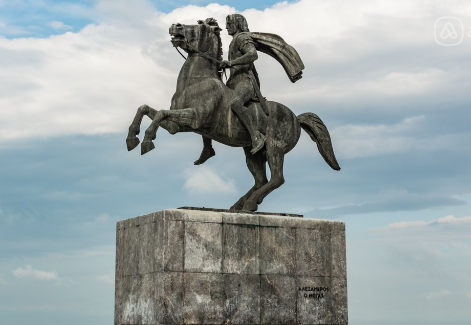
The monumental statues of historical figures often serve as significant cultural and artistic representations, and few subjects are as striking as Alexander the Great. This iconic leader, renowned for his military prowess and expansive empire, has been immortalized in statues around the world. Exploring the meaning, design, and artistic interpretations of Alexander’s outdoor statues offers a fascinating glimpse into both history and art.
1. Historical Significance of Alexander the Great Statues
Alexander the Great is often celebrated as one of history’s most influential figures, and his legacy continues to resonate through various forms of art. Statues dedicated to him not only commemorate his achievements but also represent the ideals of strength, leadership, and courage. From ancient times to the modern era, artists have captured his likeness in different styles that reflect the cultural context of their creation.
The first known monumental statue of Alexander was created in the Hellenistic period, shortly after his death in 323 BCE. Over the centuries, replicas spread across the Mediterranean, enabling regions to share in his legacy. In cities like Rome and Alexandria, these statues became symbols of power and ambition, often placed in public spaces to inspire citizens and demonstrate the might of their rulers.
-
- Research historical contexts of Alexander’s statues.
-
- Explore different artistic styles used in his depictions.
-
- Visit museums or historical sites showcasing these statues.
-
- Consider how these sculptures can inspire contemporary leadership.
2. Artistic Interpretation and Design
The design and artistic interpretation of Alexander the Great statues vary significantly depending on the era and culture. For instance, Greek sculptors often depicted him with idealized features, portraying a heroic figure with pronounced musculature and refined facial traits. In contrast, Roman versions may have included political elements that emphasized his divine lineage, incorporating symbols like the laurel wreath to signify triumph.
Modern artists have also drawn inspiration from Alexander, creating interpretations that often blend traditional and contemporary techniques. For instance, Alexander has been reimagined in various forms, using materials such as bronze, marble, and more experimental media like glass or recycled materials. These innovative takes invite audiences to re-engage with his story in ways that resonate with contemporary values.
-
- Analyze various artistic styles and representations.
-
- Consider symbolism in Alexander’s statues, like the laurel wreath.
-
- Engage with local artists who might have modern interpretations.
-
- Participate in art discussions or workshops focusing on historical figures.
3. Locations of Notable Alexander the Great Statues
Several remarkable statues of Alexander the Great can be found across the globe, each with its own story and significance. One of the most famous is the equestrian statue located in Skopje, Macedonia, depicting him on horseback with a dramatic pose that symbolizes his role as a conqueror. This statue serves not only as a tribute to his military genius but also as a symbol of national pride for North Macedonia.
Another notable statue is situated in Pella, Greece, where it is believed he was born. This region boasts a reconstruction of Alexander’s statue that embodies the artistry of Hellenistic sculpture. Visitors often remark on the intricate details and the sense of presence the statue commands, making it an important site for understanding his legacy. Furthermore, many statues exist in modern cities where he is celebrated, emphasizing his lasting impact worldwide.
-
- Plan visits to significant statue locations for firsthand experiences.
-
- Utilize historical guides to enrich your understanding of each site.
-
- Share your experiences and insights with fellow history enthusiasts.
-
- Document your visits through photography or journaling.
4. The Impact of Alexander the Great’s Statues on Modern Culture
Today, Alexander the Great remains a potent symbol, and his statues continue to influence modern culture. Various films, art exhibitions, and literature reference his story, often inspired by the grandeur depicted in these monumental statues. This enduring fascination reflects society’s desire for strong leadership and adventure, prompting viewers to reflect on their values and aspirations.
In educational settings, educational tours focusing on Alexander’s statues also provide essential insights into ancient history and its relevance today. These statues serve as focal points for discussions about leadership, ethics in governance, and how historical figures can shape national identities. By fostering these conversations, such artworks help bridge the gap between the past and contemporary society.
-
- Engage in thoughtful conversations about leadership inspired by Alexander.
-
- Explore modern references to Alexander in popular culture.
-
- Attend workshops or lectures on historical influences in today’s society.
-
- Incorporate Alexander’s story into lessons on ethical leadership.
In conclusion, statues of Alexander the Great are more than mere representations of a historical figure; they embody complex narratives that bridge art, history, and culture. Whether you’re exploring his significance, examining artistic styles, or visiting notable locations, these statues offer rich insights into his enduring legacy. Take the next step to deepen your understanding—consider coordinating a visit to a local statue or delve into books about his life and influence.