
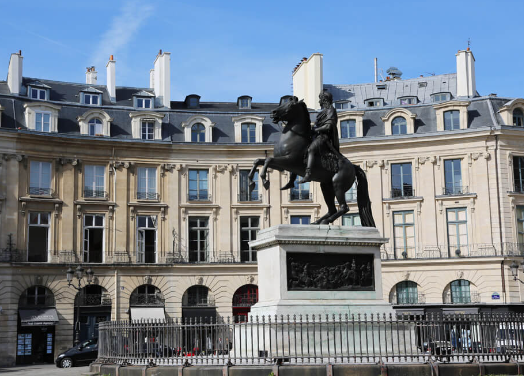
Napoleon Bonaparte remains one of history’s most enigmatic figures, and his presence is still felt in cities across Europe through numerous statues. These monuments serve not only as artistic expressions but also as symbols of authority and national identity. In this post, we’ll explore how Napoleon statues occupy significant spaces in European city squares and what they represent today.
1. Historical Context of Napoleon Statues
The construction of statues honoring Napoleon began soon after his rise to power in the late 18th century. Initially, these statues symbolized his military prowess and leadership. Cities like Paris, Rome, and Vienna erected grand monuments that showcased his victories, aspirations, and the ideals of the Napoleonic era, which championed meritocracy, nationalism, and modern governance.
As time marched on, these statues adapted to changing political climates. After Napoleon’s fall, many countries reinterpreted these symbols. For instance, in France, Napoleon remained a powerful figure, and his statues were often restored and maintained as part of the national narrative. In contrast, countries like Austria displayed their monuments in a more subdued manner, highlighting the complex relationship they had with his conquests.
-
- Research the historical background of local Napoleon statues when visiting European cities.
-
- Consider how these statues reflect the political climate of their time.
-
- Acknowledge the varied interpretations of Napoleon across different countries.
-
- Reflect on how history influences contemporary public perception of authority.
2. Architecture and Design of Napoleon Statues
The architectural design of Napoleon statues is often grandiose, embodying the spirit of the times they were created in. Many are designed in neoclassical styles, incorporating elements like columns and pediments to evoke a sense of ancient glory. For instance, the famous “Napoleon on Horseback” statue in Place Charles de Gaulle, Paris, features a striking portrayal of Napoleon in full military regalia, signifying authority and triumph.
These statues often utilize materials like bronze and marble, symbolizing permanence and strength. Each statue is not merely a representation of Napoleon but also a reflection of the city’s artistic ambitions. Statues may also include intricate details that tell stories, such as engravings of battles or significant events from his life, making them more than just look-alikes; they are historical narratives set in stone.
-
- Visit local museums for context on the sculptures and their stories.
-
- Pay attention to architectural features that signify grandeur.
-
- Learn about the materials used in crafting the statues.
-
- Explore nearby plaques or information boards for insights into the design.
3. Contemporary Role of Napoleon Statues in Public Spaces
In modern times, Napoleon statues serve a dual purpose: as tourist attractions and as conversation starters regarding issues such as colonialism and authority. For many, these statues evoke pride in national history, while for others, they represent a colonial past that sparked various social discussions. The presence of these statues raises questions about how societies deal with complicated historical figures and the legacies they leave behind.
Moreover, Napoleon statues often become focal points for protests and public gatherings. For instance, during recent movements advocating for racial equality, some statues have been vandalized, sparking debates about their place in contemporary society. These actions highlight the delicate relationship between history and modern values, forcing communities to reconsider whom they choose to honor in their public spaces.
-
- Engage in discussions about the significance of such monuments in your community.
-
- Participate in local events or tours to learn different viewpoints.
-
- Consider how the narrative around a historical figure can change over time.
-
- Advocate for more inclusive interpretations of history in public art.
4. Visiting Napoleon Statues: Tips and Insights
When visiting cities that feature Napoleon statues, there are a few approaches to enriching your experience. First, immerse yourself in the historical context by reading about Napoleon’s life and the era surrounding his reign. Knowing the foundational stories can make each statue much more tangible and meaningful.
Additionally, consider joining guided tours or audio guides that specialize in historical landmarks. Such tours often provide nuanced interpretations that can help unravel conflicting narratives associated with these monuments. Engaging with both supportive and critical perspectives enhances a visitor’s appreciation and understanding of the larger historical framework.
-
- Wear comfortable shoes for extensive walks in city squares.
-
- Bring a camera to capture the statues and their surroundings.
-
- Take notes during guided tours to remember key historical points.
-
- Discuss your findings with locals or fellow travelers for deeper insights.
In conclusion, Napoleon statues serve as potent symbols of authority and national identity, evoking both admiration and debate. By exploring these monuments and understanding their complex histories, readers can appreciate their significance in today’s world. Consider visiting a nearby statue or discussing its impact with friends to continue the conversation on authority in public spaces.