
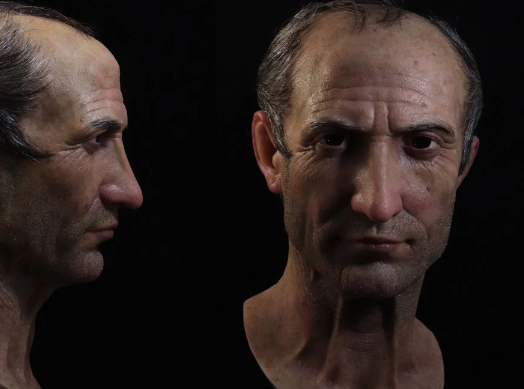
The intricacies of facial expression in art reveal much about the subjects they portray, particularly in representations of authority figures like Julius Caesar. In sculptures, the careful depiction of facial details not only reflects emotional undertones but also embodies the societal perceptions of power and leadership. This blog post delves into how facial expressions in Julius Caesar sculptures manifest authority, influence, and legacy.
1. The Art of Expression: Understanding Authority
The sculptures of Julius Caesar often highlight an imposing manifest of authority through carefully crafted facial expressions. These works largely emphasize traits such as seriousness, determination, and wisdom, which were greatly valued in Roman culture. For instance, the stern gaze and furrowed brow on many Caesar sculptures communicate a sense of inner strength and control that leaders were expected to embody. This artistic approach effectively elevates Caesar from a mere historical figure to a commanding presence, capable of decisive action.
Moreover, the facial features reflect the political climate of the time. The idealized representation in many Caesar sculptures isn’t just for aesthetics; it serves a rhetorical purpose. Sculptors aimed to convey Caesar’s virtues while aligning him with the values of Roman heritage. Thus, specific facial features, like a prominent jawline or a sharp gaze, symbolize not only physical strength but also moral fortitude. Artistic choices made in these sculptures were intended to resonate with audiences and cement Caesar’s authority.
-
- Study famed Caesar sculptures to observe facial expressions and details.
-
- Understand how expressions relate to qualities valued in leadership.
-
- Consider the societal context that shaped artistic choices.
-
- Analyze the use of idealization versus realism in sculptures.
2. Techniques Behind Seductive Power in Sculpture
Sculptors employed several techniques to enhance the aura of power surrounding Julius Caesar. One prominent method is the use of proportion and scale, particularly in the depiction of the head and face. Typically, these sculptures feature larger heads in contrast to smaller bodies. This exaggeration draws immediate attention to the facial expression and innate authority of the figure, making viewers subconsciously attribute greatness to Caesar. Such craftsmanship permeates the portrayal of leadership traits like wisdom and decisiveness.
Another significant technique is the manipulation of light and shadow, commonly known as chiaroscuro. Sculptors would expertly carve features that catch the light, creating a dynamic interplay that adds depth and realism to the representations. This play of light enhances the intensity of facial expressions, further emphasizing the figure’s authority and strength. Consequently, the emotional gravitas and commanding presence of Caesar are magnified, engaging viewers on a psychological level.
-
- Notice proportion and scale when examining sculptures.
-
- Look for the effects of light and shadow in the carvings.
-
- Analyze the emotional impact of facial features.
-
- Reflect on how sculpture techniques convey deeper narratives.
3. Historical Context: The Impact of Facial Expressions
The legacy of Julius Caesar’s facial expressions in sculpture also extends into the historical context of his time. The turbulent political landscape necessitated visuals that aligned with public sentiment. During his rule, Caesar was seen as both a revered leader and a controversial figure. The way he was depicted sculpturally reflected his duality; serious expressions signified the weight of leadership amid betrayal and conflict. Sculptors captured this complexity, making Caesar accessible yet formidable.
Historians note that the imagery of authority is intrinsically tied to the societal needs and aspirations of Romans. The facial expression in the artwork often served to inspire loyalty among citizens while signaling a formidable presence to adversaries. Sculptures of Caesar served not only as commemorations but also as communicative tools, demonstrating what good leadership entailed. As such, they bridged the gap between the leader’s persona and public expectations, creating a lasting impression on Roman culture.
-
- Explore the societal implications of Caesar’s portrayal in sculptures.
-
- Investigate the historical events that shaped his legacy.
-
- Understand public sentiment and its influence on artistic depictions.
-
- Reflect on how historical context shapes perceptions of authority.
In conclusion, the study of Julius Caesar’s sculptures reveals a rich tapestry of authority portrayed through facial expressions and artistic techniques. As you delve deeper into the world of classical art, consider the implications of visual representation in shaping public perception. Engaging with this material can enrich your understanding of history, art, and power dynamics. Don’t hesitate to explore more and uncover the stories behind the stone.