
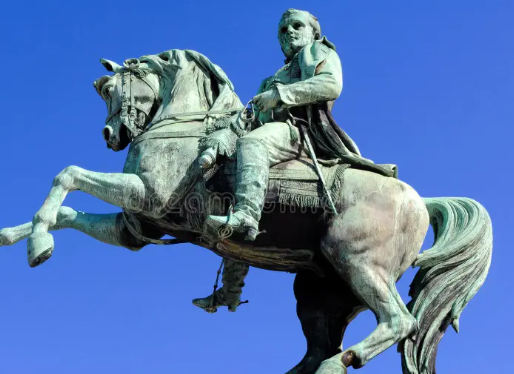
Large-scale Napoleon statues are more than just impressive pieces of art; they serve as cultural landmarks, educational tools, and elements that enhance outdoor historical landscapes. These grand monuments reflect the legacy of one of history’s most enigmatic figures, and their presence can transform a space into a vibrant homage to the past.
1. Historical Context and Significance
Napoleon Bonaparte was a key figure in European history, leading France in a series of military campaigns and implementing a range of reforms that shaped modern governance. Large-scale statues of Napoleon often serve as a celebration of his achievements and a reminder of the complex narratives surrounding his rule. For instance, the numerous statues erected throughout Europe, particularly in France, exemplify his enduring influence and the historical context in which he operated.
In addition to commemorating his legacy, these statues can offer a glimpse into the culture and artistry of the time they were created. Many of Napoleon’s statues are crafted using traditional techniques, showcasing the craftsmanship of various eras. Significant monuments, like the iconic statue on the Place Vendôme in Paris, not only depict Napoleon with his trademark hat but also serve as symbols of nationalism and pride.
-
- Research the historical context of the specific statue you are interested in.
-
- Engage with local historians or visit museums to gain deeper insights.
-
- Observe how the statue interacts with its surrounding landscape.
-
- Consider how different cultures interpret Napoleon’s legacy through these statues.
2. Designing and Installing Large-Scale Statues
The design and installation of a large-scale statue are intricate processes that require careful planning and execution. From selecting the right materials—like bronze, stone, or marble—to determining the statue’s size and exact location, various factors need consideration. For example, a statue that is too large for its surroundings can overshadow other elements in an outdoor landscape, while one that is too small may lose its intended impact.
Moreover, the installation process often involves collaboration between artists, architects, and engineers. This team works together to not only create the statue but also ensure that it withstands the elements, particularly if it is in an outdoor setting. Advanced techniques like anchoring and using specialized coatings can significantly enhance the statue’s durability, making it a longstanding feature of the landscape.
-
- Consult with landscape architects to find the best visibility options.
-
- Choose materials that are suitable for outdoor exposure.
-
- Utilize skilled craftsmen for the actual statue construction.
-
- Plan for maintenance to preserve the statue over time.
3. Enhancing Outdoor Historical Landscapes
Large-scale Napoleon statues can significantly enhance outdoor historical landscapes by creating focal points that attract visitors’ attention and spark curiosity. They serve as educational tools, inviting people to learn more about Napoleon and the era in which he lived. For instance, placing a statue in a park or public square can stimulate historical tours or educational programs related to the Napoleonic Wars.
Additionally, these statues can play an essential role in the community, often becoming symbols of local pride and identity. By integrating the statue into public events or ceremonies, communities can foster a deeper connection to their heritage. Furthermore, such installations can stimulate economic activities by attracting tourists and historians, thus benefiting the local economy.
-
- Create educational programs that incorporate the statue.
-
- Host community events or historical reenactments near the statue.
-
- Develop brochures or digital content detailing the statue’s history.
-
- Encourage photography or art competitions inspired by the statue.
4. Challenges and Considerations
While the creation of large-scale Napoleon statues is an exciting endeavor, it does come with its share of challenges. Public opinion can vary widely; some may celebrate the statue, while others may criticize its placement, especially in a society that continues to grapple with the implications of historical figures. A successful installation requires a keen understanding of community sentiment and cultural context.
Moreover, financial considerations also play a crucial role. The costs associated with design, materials, installation, and ongoing maintenance can add up quickly. To mitigate this, organizations often seek grants, sponsorships, or partnerships with local businesses to support the project. Engaging the community in fundraising efforts can also lead to a sense of ownership and pride.
-
- Conduct community surveys to gauge public sentiment.
-
- Outline a comprehensive budget that includes all possible expenses.
-
- Set up partnerships with local businesses for sponsorship.
-
- Explore various funding options like grants or donations.
In conclusion, large-scale Napoleon statues can provide cultural richness and historical significance to outdoor landscapes. Whether you are involved in the creation, installation, or community engagement surrounding such statues, understanding their impact is crucial. Consider consulting experts in history, art, and community planning to ensure a meaningful and well-received installation. Bringing history to life through statues not only honors the past but enriches present and future generations.