
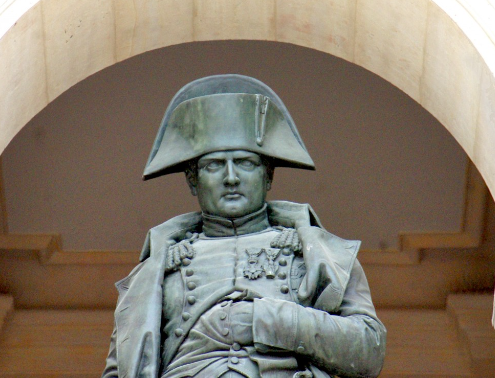
Napoleon Bonaparte remains an iconic figure in history, his legacy preserved in many forms, including statues. These statues play a critical role in shaping national memory and identity, reflecting the complex narratives surrounding his impact on France and beyond.
1. Historical Context of Napoleon Statues
The significant presence of Napoleon statues across various cities showcases the historical context of his life and reign. Following his rise to power, numerous statues were constructed to symbolize his authority, victories, and the ideals of the Napoleonic era. Statues like the one in the Place Vendôme in Paris remind citizens of his military prowess and the transformation of France into a prominent European power. However, the historical narratives attached to these statues can vary widely, highlighting complex aspects of power and legacy.
In modern-day France, the debate surrounding Napoleon statues has intensified, reflecting changing attitudes towards colonialism and imperialism. The direction of the public’s memory has shifted from one that predominantly celebrates his achievements to one that critically examines his contentious legacy. As a result, these monuments have transitioned from symbols of unbridled nationalism to subjects of careful scrutiny, making their places in the national landscape all the more significant.
-
- Research the history of key Napoleon statues in your area.
-
- Engage in discussions about their significance and controversies.
-
- Analyze how historical memory shapes current cultural narratives.
-
- Explore local exhibitions or historical tours related to Napoleon.
2. Role in National Identity Construction
Napoleon statues play an essential role in constructing national identity, acting as icons of pride, resilience, and power. They encapsulate the values and aspirations of a nation, serving not only as decorative elements but as focal points for collective memory. For example, in France, many view these statues as embodiments of the Revolution’s principles, reflecting the transition from monarchy to democracy while simultaneously acknowledging the complexities of Napoleonic governance.
However, the role of these statues extends beyond mere symbolism; they often engage the public in discussions about heritage and identity. This is especially apparent in contemporary discourse where statues are challenged as narrative monopolies. Movements advocating for the removal or contextualization of certain statues emphasize the importance of recognizing diverse narratives, thus fostering a more inclusive national identity that accommodates the varied histories of its citizens.
-
- Participate in local discussions about public monuments.
-
- Consider the implications of national symbols on identity.
-
- Explore how different communities perceive these statues.
-
- Advocate for inclusive historical narratives in schools and programs.
3. Contemporary Relevance and Debates
The relevance of Napoleon statues is keenly debated in the context of contemporary sociopolitical issues. While some view these monuments as vital links to historical greatness, others criticize them for glorifying figures whose actions contributed to social injustices. This duality leads to an ongoing discourse about what these statues represent in modern society, sparked by movements calling for the reevaluation of public commemorations.
Recent protests and debates highlight how some communities are making strides towards more equitable representations in public spaces. Conversations about the removal or recontextualization of statues have increased, prompting both activists and historians to engage with the complex realities of historical figures. In this dynamic environment, statues can serve as entry points for broader discussions on race, power, and accountability in historical narratives.
-
- Stay informed about local and national debates regarding public statues.
-
- Attend community forums discussing the role of monuments.
-
- Engage with historical texts from multiple perspectives.
-
- Support initiatives that promote diverse representations in public art.
4. Preservation and Restoration Efforts
Preserving and restoring Napoleon statues is another vital aspect of their role in national memory construction. These efforts not only reflect a commitment to historical integrity but also address concerns regarding the cultural and archaeological significance of these monuments. Conservation projects often require collaboration between historians, preservationists, and local governments to ensure statues are not only maintained but appropriately contextualized within the evolving narratives of society.
Furthermore, restoration initiatives often include the incorporation of educational materials that provide historical context to viewers. This is particularly important in addressing the complexities of Napoleon’s legacy, offering visitors a nuanced understanding rather than a one-dimensional glorification. Such presentations foster informed dialogues between the public and the past, allowing citizens to engage critically with their national history.
-
- Research local preservation initiatives and how to get involved.
-
- Visit restored statues and learn from provided educational materials.
-
- Advocate for funding to maintain historical monuments.
-
- Engage in volunteering opportunities with heritage organizations.
In conclusion, Napoleon statues serve as critical touchpoints for national memory construction, inviting both admiration and critical reflection. Whether engaging in preservation efforts or shaping contemporary debates, there is much to understand and appreciate about the stories these statues tell. As we navigate our complex historical landscapes, it’s essential to remain engaged and informed, fostering a deeper understanding of our shared heritage.