
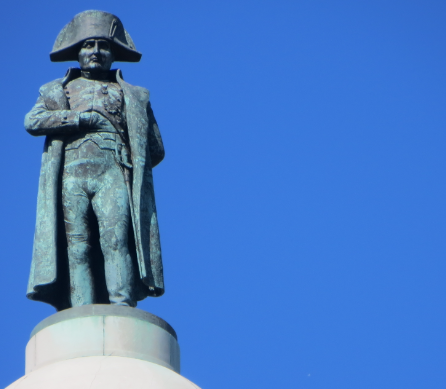
Napoleon Bonaparte remains one of history’s most controversial figures, and the monuments dedicated to him reflect his complex legacy. These monuments are not just towering structures; they embody the principles of classical proportions that speak to the grandeur of his era and enduring influence.
1. The Significance of Classical Proportions
Classical proportions are aesthetic guidelines that have their roots in ancient Greek and Roman architecture. These principles, based on mathematical ratios and harmonious relationships, are employed in various forms of art and architecture to convey balance and beauty. In the context of Napoleon’s monuments, classical proportions serve to elevate his image, portraying him as a figure of monumental importance suitable for the glory of a ruler.
For instance, the Arch de Triomphe in Paris exemplifies classical proportions, featuring a rectangular shape based on the ‘Golden Ratio.’ This approach creates a sense of harmony and balance, which is intended to evoke admiration and respect. This blending of volume and void in the design ensures that the monument is not only structurally sound but also visually striking, drawing viewers into its historical narrative.
-
- Understand the principles of the Golden Ratio.
-
- Familiarize yourself with key architectural terms like symmetry, proportion, and harmony.
-
- Examine existing monuments for proportional accuracy.
-
- Study how different materials affect the perception of proportions.
2. Iconic Examples: The Column of the Grande Armée
The Column of the Grande Armée, also known as the Vendôme Column, stands as a symbol of Napoleon’s military achievements. This monument, completed in 1810, is adorned with a spiral frieze that tells the story of his victories. The height and design of the column are based on classical proportions, intended to evoke the grandeur of ancient Roman triumphal columns, such as Trajan’s Column.
The Column’s height-to-diameter ratio carefully aligns with classical principles. This measurement ensures that the column appears both monumental and graceful. The spiral frieze not only adds texture but also serves to engage viewers, drawing them closer to appreciate its intricate details, thus reinforcing the connection between the monument and its celebrated history.
-
- Analyze the height-to-diameter ratio of the column.
-
- Look for contrasting textures in the frieze and structure.
-
- Explore other triumphal columns for comparative analysis.
-
- Document your findings to better understand proportional relationships.
3. Cultural Impact and Perceptions
Monuments employing classical proportions were designed not only for aesthetic appeal but also to shape public perception of Napoleon himself. These structures are a fusion of classical ideals with modern narratives, creating an enduring legacy that reflects both historical power and divine right. The use of grand scales and classical forms helps to communicate a message of strength and authority, linking Napoleon to the great emperors of the past.
Moreover, the designs have had lasting cultural ramifications, influencing how future generations perceive leadership and grandeur. Many governments and societies have drawn inspiration from these monuments in their own architectural endeavors, employing similar proportional guidelines to convey authority and permanence in their architecture.
-
- Consider how monuments influence public perception of leaders.
-
- Research the impact of Napoleon’s architecture on subsequent structures.
-
- Investigate if modern monuments adhere to classical proportions.
-
- Compare cultural responses to older versus newer monuments.
In conclusion, the monuments of Napoleon Bonaparte not only reflect the grandeur of his era but also serve as timeless examples of classical proportions in architectural design. By understanding these elements, we can appreciate the richness and complexity of monumental design and its impact on cultural narrative. Consider exploring local monuments in your area to see how similar principles of design are applied today.