
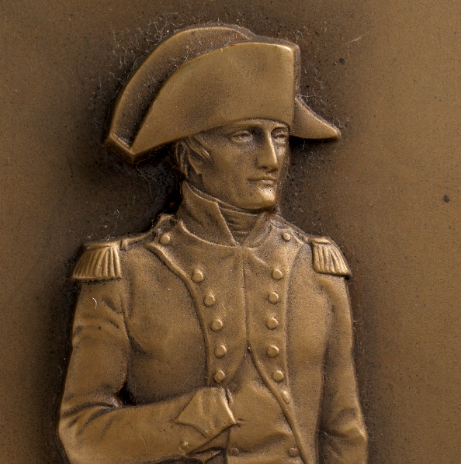
Napoleon Bonaparte’s legacy as a military leader is immortalized in numerous bronze statues that capture him in all his glory. One of the most striking features of these sculptures is the intricate details of his military uniform. Understanding these details provides deeper insight into not just the man himself, but also the era in which he led. In this blog post, we will delve into the specifics of Napoleon’s military uniform as depicted in these bronze statues.
1. The Distinctive Bicorne Hat
The bicorne hat is perhaps one of the most recognizable elements of Napoleon’s uniform. This unique two-cornered hat not only served a practical purpose but also signified status and authority. The Napoleon statue representations often show him wearing the hat cocked to one side, which was a fashionable statement at that time. Crafted from felt or wool, it provided some degree of weather protection and added a theatrical flair to his military demeanor.
The iconic bicorne has undergone various transformations throughout the years but remains an essential part of his military attire. Statues often illustrate this piece with a remarkable degree of detail, showcasing its fabric texture and the elegant lines that define the silhouette. Each piece aims to reflect Napoleon’s meticulous attention to his appearance, dramatizing his image as a commanding figure both on and off the battlefield.
-
- Look for the angle of the bicorne in statues.
-
- Not all figures sport the bicorne; some represent him without it.
-
- Pay attention to the hat’s embellishments, which vary from statue to statue.
-
- Consider how the positioning of the hat reflects his personality.
2. The Military Coat: Symbol of Authority
Napoleon’s military coat is another critical component of his iconic look. Often depicted as a long, flowing piece of fabric, the coat is typically double-breasted and adorned with various military insignia and medals. These fine details not only denote rank but also celebrate Napoleon’s accomplishments. Statues often intricately depict these elements, enhancing the authority of the figure they represent.
The coat frequently features distinctive colors and embroidery, symbolizing the regiments he commanded. Statues will show contrasting colors and embellishments that help narrate his military impact. For example, bright epaulets and regimental insignia are meticulously sculpted to indicate allegiance and achievements. Collectively, these representations establish a strong sense of identity that is intrinsic to Napoleon’s persona.
-
- Examine the colors used in the coat; they often signify different regiments.
-
- Take note of how the coat is designed to enhance a larger-than-life image.
-
- Look for the inclusion of medals on the coat representing his victories.
-
- Assess how the coat’s fit and design align with military traditions of the era.
3. The Significance of Accessories: Swords and Medals
Accessories like swords and medals are integral to understanding the full portrayal of Napoleon in bronze statues. These elements signify not only his role as a military leader but also his personal achievements. Statues often depict him in a commanding pose, with a sword at his side or held high, reflecting his martial prowess and authority. The quality of the sword and its embellishments, such as intricate designs on the hilt, provide context to his power and status.
Medals are equally important; they highlight his bravery and success in numerous battles. Many statues showcase an array of medals displayed across his chest. These details serve to emphasize Napoleon’s illustrious career and his role in shaping European history. Collectively, these accessories contribute to a complex narrative that goes beyond the visual, allowing viewers to engage with Napoleon on multiple levels.
-
- Identify the types of medals and awards depicted in the statues.
-
- Note the design and position of the sword for artistic emphasis.
-
- Look for differences in accessory details among various statues.
-
- Consider how accessories contribute to the overall narrative of power and authority.
4. Color and Fabric: The Relevance of Details
Color and fabric choice in Napoleon’s uniform as represented in bronze statues play a crucial role in evoking emotion and authenticity. Statues often use patinas to simulate the colors of his original attire, providing a lifelike representation. The richness of the fabrics—whether a deep blue for the coat or striking gold embroidery—adds to the visual impact, creating a sense of grandeur and regality.
Additionally, the fabric’s texture, implied through sculptural techniques, communicates the high quality of materials used. The subtle interplay of light and shadow across these textures enhances the three-dimensional representation, allowing viewers to appreciate the craftsmanship involved in the statue’s creation. Thus, color and fabric not only depict historical accuracy but also imbue the statue with a captivating presence.
-
- Observe the colors in the fabric and how they represent Napoleon’s status.
-
- Assess the textures depicted and their implications for authenticity.
-
- Look for variations among statues—some may be more vibrant than others.
-
- Consider how light interacts with these colors and fabrics to convey mood.
In conclusion, the bronze statues of Napoleon Bonaparte serve as a rich tapestry that weaves together elements of history, artistry, and psychological insight. By studying the details of his military uniform, from the bicorne hat to meticulous accessories, we gain a deeper appreciation for this iconic figure. Whether you are an art enthusiast, a history buff, or simply curious, exploring these statues can be an enlightening experience that bridges the past with the present.