Édouard Manet, often regarded as a pivotal figure in the art world, played a significant role in shaping the Impressionist movement. His revolutionary ideas and techniques not only influenced his contemporaries but also left a lasting legacy for artists who followed. In this blog post, we will explore how Manet’s approach to color, composition, and subject matter impacted the Impressionist artists.
1. Manet’s Revolutionary Use of Color
Manet’s innovative use of color was a departure from the traditional palette of the academic style. He frequently employed a vibrant palette, utilizing bold contrasts and non-naturalistic colors to capture light and emotion. For example, his painting “Olympia” showcases how he used direct, flat colors to create a striking impact, challenging the conventions of the time. This approach resonated deeply with Impressionist artists like Claude Monet and Pierre-Auguste Renoir, who were inspired to experiment further with color in their own works.
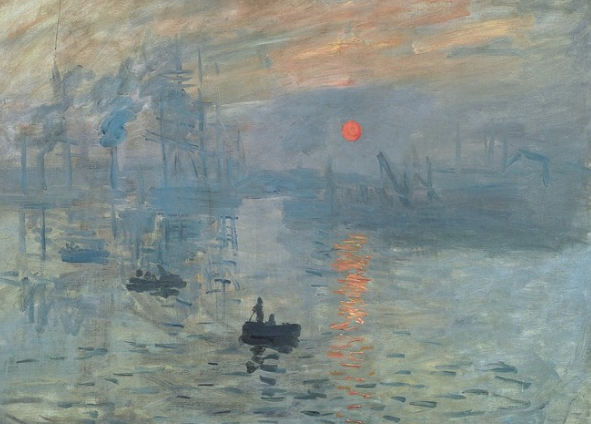
Moreover, Manet’s technique of applying paint in thick, visible strokes created a sense of immediacy and vitality. This method encouraged Impressionists to work en plein air (outdoors), capturing fleeting moments of light and atmosphere. Monet’s iconic “Impression, Sunrise” exemplifies this influence, illustrating how Manet’s color theory pushed artists to prioritize their perception of the natural world over realistic representation.
-
- Experiment with bold color contrasts in your paintings.
-
- Use a limited palette to create cohesion in your artwork.
-
- Practice painting en plein air to capture the effects of light.
-
- Incorporate unexpected colors to evoke emotions.
2. Influence on Composition and Perspective
Manet revolutionized the way artists approached composition by breaking traditional conventions. His works often featured unconventional viewpoints and cropped compositions, drawing attention to the main subjects in unexpected ways. For instance, in “The Luncheon on the Grass,” the casual arrangement of figures amidst a natural setting defied the traditional hierarchies that typically governed composition, paving the way for Impressionists to adopt a more spontaneous style.
This approach can be seen in the work of Edgar Degas, who, like Manet, favored unusual angles and perspectives. Degas’ depictions of ballet dancers are prime examples of this innovative viewpoint; his compositions often feature figures that seem to be caught in motion rather than posed. Such techniques enhanced the dynamic quality of their pieces and allowed for a more engaging interaction between the artwork and viewers.
-
- Experiment with unusual angles in your compositions.
-
- Focus on creating a central point without adhering to traditional rules.
-
- Incorporate movement into your artwork by capturing action.
-
- Pay attention to how cropping can affect visual impact.
3. Taking Risks with Subject Matter
Manet was also known for his bold choice of subjects, which often challenged societal norms and expectations. He frequently depicted scenes of contemporary life that highlighted the complexities of modern existence. Works such as “Music in the Tuileries” featured everyday people, thereby breaking from historical or mythological portrayals typical of traditional art. This willingness to embrace modernity opened doors for Impressionist artists to explore similar themes, ranging from urban scenes to depictions of leisure and daily life.
This newfound focus on everyday subjects resonated with artists like Camille Pissarro and Gustave Caillebotte, who showcased the realities of urban living. Caillebotte’s “Paris Street, Rainy Day” reflects this evolution, as it captures a moment from ordinary life rather than historical grandeur. The shift toward everyday moments helped redefine the scope of art and broaden the narrative of what could be represented on canvas.
-
- Choose subjects from your daily life for artistic inspiration.
-
- Consider the stories behind everyday scenarios.
-
- Don’t shy away from controversial themes in your artwork.
-
- Explore urban settings as subjects to reflect modern life.
4. Creating Dialogue Through Art
Another critical aspect of Manet’s influence on the Impressionists is his ability to generate dialogue through art. By addressing social issues and cultural themes, he encouraged viewers to engage critically with his work. His unflinching portrayal of controversial subjects, such as the nudity in “Olympia,” forced audiences to react, thereby opening critical conversations about art and society. This approach set a precedent for Impressionists, who gradually began to focus on more profound narratives in their paintings.
This thematic depth can be observed in the work of Berthe Morisot, who often used her art to explore themes of femininity and the domestic sphere. Her painting “The Cradle” exemplifies this dialogue, capturing intimate moments and highlighting women’s roles in society. By focusing on the personal, these artists fostered connections between the work and the viewer, creating an enduring emotional resonance.
-
- Engage with societal themes in your art.
-
- Use your work as a platform for dialogue and discussion.
-
- Challenge traditional roles and perceptions through your subject matter.
-
- Incorporate personal narratives into your artwork.
In conclusion, Édouard Manet’s influential techniques and bold choices laid the groundwork for the Impressionist movement. His innovative use of color, composition, and subject matter inspired artists to forge new paths in their creative journeys. Readers interested in art may be encouraged to explore these influences further and consider how they can apply similar concepts in their own work.