
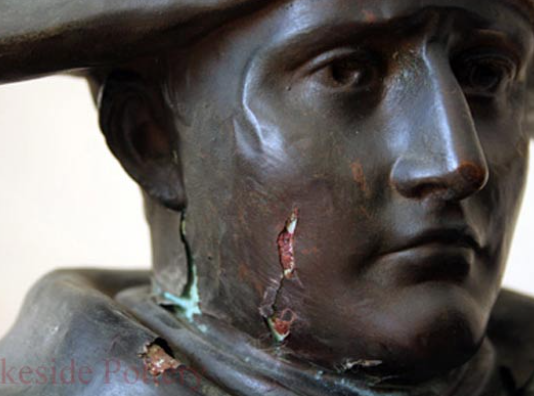
Bronze casting has been a revered art form for centuries, particularly for creating statues that celebrate historical figures. One compelling figure often represented in bronze is Napoleon Bonaparte, an iconic leader whose legacy continues to inspire artworks. In this blog post, we will explore the various bronze casting techniques used specifically to create statues of Napoleon, delving into the artistry and craftsmanship involved.
1. Lost-Wax Casting Technique
The lost-wax casting method is one of the oldest techniques used in bronze casting, dating back thousands of years. This intricate process begins with a model made from wax, which is coated in a refractory material to form a mold. Once the coating hardens, the wax is melted and drained away, leaving a cavity that can be filled with molten bronze. This technique allows for a high level of detail, making it particularly suitable for capturing Napoleon’s intricate military uniforms and facial features.
Once the mold has been prepared, artisans pour molten bronze into it. The entire process is labor-intensive and requires a skilled hand to ensure that the final product maintains the intended details. After cooling, the mold is broken away to reveal the bronze statue, which often undergoes additional steps like polishing and patination to enhance its visual appeal. This technique is commonly used for creating detailed statues of historical figures like Napoleon, who demand meticulous attention to detail.
-
- Choose a high-quality wax for the model.
-
- Use a strong refractory material to create the mold.
-
- Ensure even heating for the molten bronze to prevent defects.
-
- Consider multiple castings for larger sculptures.
2. Sand Casting Technique
Another popular method for bronze casting is sand casting. This technique involves creating a mold from sand mixed with a binding agent. Sand casting is less expensive than lost-wax casting and is often used for larger sculptures due to its robustness and ease of creation. To create a Napoleon statue using this technique, foundry workers first create a pattern of the statue, which is then pressed into sand to form two halves of the mold.
Once the sand mold is prepared, artisans pour molten bronze into the cavity. This method is efficient for producing multiple copies of a design, making it advantageous for popular figures like Napoleon. One of the notable advantages of sand casting is that it allows for larger sculptures without the risk of warping, which can occur in more delicate methods. However, the details may not be as pronounced as in lost-wax casting, requiring some post-casting finishing work.
-
- Opt for high-quality sand to ensure smooth finishing.
-
- Use a durable binding agent to hold the sand effectively.
-
- Carefully clean and finish the casted statue to enhance details.
-
- Consider scalability for larger or multiple statues when using this technique.
3. Patination Processes
Once a Napoleon statue is cast in bronze, the finishing touches through patination are crucial for aesthetic appeal and preservation. Patination refers to the process of applying chemicals to the bronze surface to change its color and texture. This is especially important for statues of significant historical figures as the appearance can affect how the artwork is perceived by the audience.
Different chemicals can yield unique colors, ranging from verdigris green to deep browns. For Napoleon statues, artists might select color schemes that evoke specific historical contexts or symbolic meanings. Patination not only enhances the visual dynamics but also acts as a protective layer, helping to ward off oxidation and thus prolonging the statue’s lifespan. Understanding the right patination technique can make a significant difference in the final appearance of the statue.
-
- Research various patination chemicals for desired effects.
-
- Test small areas before applying chemicals to the entire statue.
-
- Consult with experts to determine the best protective finishes.
-
- Document the process to replicate successful finishes in future works.
4. Finishing and Restoration Techniques
After casting and patination, bronze statues of Napoleon often require additional finishing and restoration techniques to achieve the desired look. This can include polishing the surfaces to remove any imperfections and improve shine. Moreover, local conservators may be engaged for restoration work on historical statues to maintain their integrity while adapting to environmental factors such as weathering or pollution.
Artisans skilled in finishing techniques employ various tools and methods, including abrasive pads and polishing wheels, to smooth out any rough edges or blemishes. Restoration may include the careful reapplication of patina or even pattern matching to ensure that any repairs are harmonious with the existing statue. This intricate work is essential in preserving both the aesthetic and historical value of the pieces.
-
- Learn about compatible restoration techniques for bronze.
-
- Use specialized tools for both polishing and restoration.
-
- Conduct regular maintenance to prevent deterioration.
-
- Document all work done for future reference and conservation.
In conclusion, bronze casting techniques are essential for bringing to life the impressive statues of Napoleon Bonaparte. From the lost-wax method to sand casting and the art of patination, each process plays a crucial role in creating a lasting tribute to a remarkable historical figure. Whether you’re an artist or a collector, understanding these techniques can enrich your appreciation of bronze artworks. For those interested in further exploration, consider reaching out to professionals in the field or visiting local museums to learn more about this captivating craft.