Pierre-Auguste Renoir is one of the most celebrated artists of the Impressionist movement, known for his vibrant use of color and masterful portrayals of human emotion. His works have left an indelible mark on the art world, captivating audiences with their warmth and energy. In this blog post, we will explore some of his most famous works and delve into the techniques that made his style unique.
1. The Captivating Use of Color
Renoir’s usage of color is one of the hallmarks of his Impressionist style. He often employed a bright palette, favoring warm hues to evoke joy and happiness in his paintings. This is seen vividly in works such as “Luncheon of the Boating Party,” where vibrant red, blue, and green colors dance together, creating a lively atmosphere that immerses the viewer in the scene. The reflective quality of sunlight and shadows is also detailed with a technique called ‘broken color,’ where he placed pure colors side by side to create a captivating effect.
Renoir was also inspired by the natural world, translating the shifting hues of nature into his art. He particularly loved to paint outdoor scenes, capturing the light’s playfulness on water and foliage. Works like “Dance at Le Moulin de la Galette” not only highlight his color techniques but also showcase his ability to portray movement and emotion. The melding of colors creates depth and vitality, pulling viewers into the moment.
-
- Experiment with color mixing to understand your palette.
-
- Try using ‘broken color’ techniques in your own paintings.
-
- Observe the interplay of light and shadow in natural settings.
-
- Practice painting outdoors to capture the essence of the environment.
-
- Study Renoir’s color theory through his various works.
2. The Theme of Everyday Life
One of the most striking features of Renoir’s work is his focus on everyday life. He found beauty in the mundane and portrayed simple social gatherings, leisure activities, and ordinary moments with a sense of vibrancy and charm. For instance, “Luncheon of the Boating Party” not only captures a social gathering but also invites the viewer to be privy to an intimate moment in the characters’ lives.
Renoir’s canvases pulse with life, featuring figures engaged in conversation, laughter, or dance—moments we can all relate to. By emphasizing the connections between individuals, he demonstrated how art could capture the essence of human relationships. His style encourages us to appreciate the small joys in life, a concept that remains relevant today.
-
- Identify everyday moments that inspire you locally.
-
- Practice sketching life around you to capture spontaneity.
-
- Focus on the connections between people in your artistic endeavors.
-
- Experiment with portraying humor and joy through art.
-
- Find beauty in ordinary settings in your daily life.
3. Renowned Masterpieces Worth Knowing
Renoir has created many masterpieces that stand the test of time. “Dance at Le Moulin de la Galette” is one of his most famous works, encapsulating a lively Parisian afternoon at a dance hall. The scene is filled with joyous energy, showcasing the interaction between figures as they sway to the music—a hallmark of Renoir’s ability to bring life to canvas.
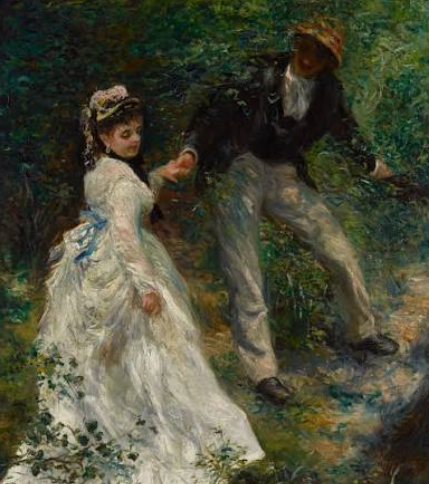
Another exemplary work is “The Swing,” where the essence of flirtation and the vibrancy of youth are beautifully depicted. The playful sense of humor in this piece adds layers of meaning, showcasing Renoir’s talent for storytelling through art. Each character tells a story, encouraging the viewer to explore personal interpretations that can resonate differently with everyone.
-
- Research the stories behind Renoir’s famous works.
-
- Visit art museums or galleries to view his paintings in person.
-
- Read critiques and analyses to understand the depth of his art.
-
- Collect prints or books featuring his masterpieces for inspiration.
-
- Join art groups or forums discussing Renoir’s impact on Impressionism.
4. The Influence of Renoir on Modern Art
Renoir’s impact on the art world extends beyond his lifetime and into the realm of modern art. His techniques influenced not only his contemporaries but also later movements such as Post-Impressionism and even modern expressionism. Artists like Henri Matisse and Pablo Picasso admired Renoir’s mastery of color and movement, drawing from his style to inform their own work.
Moreover, Renoir’s focus on the human experience can be seen in contemporary art as well, where artists continue to explore themes of connection and emotion. His work reminds us of the potential for everyday moments to inspire and express complex feelings, a lesson that resonates across generations of artists.
-
- Explore the connections between Renoir and later art movements.
-
- Examine how contemporary artists reference Renoir in their work.
-
- Engage in conversations about the relevance of Impressionism today.
-
- Publish your interpretations of Renoir’s influence on modern art.
-
- Follow art exhibits that spotlight Impressionist works for deeper insights.
Pierre-Auguste Renoir’s artistic legacy continues to inspire generations with its celebration of color, everyday life, and human connection. If you’re captivated by his style, consider exploring your own creativity and finding beauty in the world around you. Whether it’s through painting, sketching, or simply observing, embrace the joy that art can bring into your life.