Claude Monet, a pivotal figure in the Impressionist movement, revolutionized the art world with his vibrant use of color and light. His unique style captures fleeting moments, emphasizing the beauty of nature through his innovative techniques.
1. The Essence of Impressionism
Impressionism emerged as a reaction against the polished, detailed approach of academic painting. Monet and his contemporaries focused on capturing the essence of a moment rather than meticulously rendering every detail. This meant embracing brush strokes that convey movement and changing light.
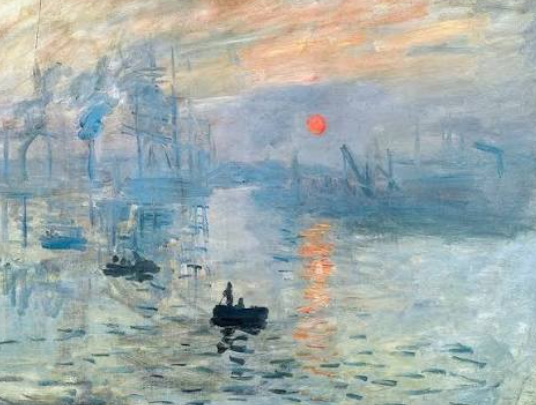
Monet’s painting “Impression, Sunrise” is credited with giving the movement its name. The loose brushwork and vibrant colors evoke feelings and emotions rather than realistic portrayals. By prioritizing the transient effects of light and atmosphere, Monet invites viewers to engage with his paintings in a deeply personal way.
-
- Emphasize light and color over detail.
-
- Experiment with brush techniques to capture movement.
-
- Use a palette of vibrant colors for emotional impact.
-
- Focus on the atmosphere of a scene rather than exact representation.
2. Monet’s Notable Works
Monet’s catalog of works includes masterpieces that embody his Impressionist ideals. “Water Lilies,” a series of approximately 250 paintings, showcases his dedication to capturing reflections and light across his beloved water garden. These works illustrate the beauty and tranquility of nature while also documenting the passage of time.
Another iconic piece, “The Japanese Bridge,” features Monet’s fascination with Japanese culture and gardens. The painting highlights his innovative use of color and textures, conveying a sense of peace and harmony. Through these works, Monet not only expresses his personal vision but also encourages viewers to appreciate nature’s beauty in different ways.
-
- Explore “Water Lilies” for its intricate effects of light.
-
- Look at “The Japanese Bridge” for color inspiration.
-
- Visit galleries that feature Impressionist art to see Monet’s works.
-
- Consider how different seasons affect mood in his paintings.
3. Techniques and Innovations
Monet’s use of color theory sets him apart as an Impressionist master. He often painted en plein air, or outdoors, allowing him to paint natural light as it changed throughout the day. This technique led to his signature approach of painting quickly to capture the momentary nuances of nature.
Layering was another technique Monet frequently employed. He started with a base layer of color and then added successive layers to build depth and texture. By allowing some base layers to show through, he created a vivid complexity that has intrigued art lovers for generations.
-
- Practice painting outside to capture natural light and scenery.
-
- Use layering techniques to create depth in your own artwork.
-
- Experiment with rapid brush strokes to convey motion.
-
- Study color theory to enhance your understanding of canvas work.
4. The Legacy of Claude Monet
Monet’s influence extends beyond his lifetime, shaping future generations of artists and art movements. His ability to capture fleeting moments has inspired movements such as Post-Impressionism and even Abstract Expressionism. Artists like Van Gogh and Kandinsky drew from Monet’s love for color and emotional depth.
<pAdditionally, Monet’s focus on nature catalyzed conversations about environmental awareness throughout the art community. Today, many artists continue to explore themes of nature and our relationship with the environment, largely inspired by Monet’s vision and passion for preserving beauty in art.
-
- Research other artists influenced by Monet for a broader perspective.
-
- Consider the environmental themes in contemporary artwork.
-
- Support local art by visiting exhibitions showcasing Impressionist works.
-
- Engage in conversations about art’s impact on today’s society.
5. Visiting Monet’s Gardens
A remarkable way to deepen your understanding of Monet’s work is by visiting his gardens in Giverny, France. These gardens, designed by Monet himself, were the source of inspiration for many of his paintings. Here, you can walk among the water lilies and Japanese bridge, experiencing the beauty that fueled his creativity.
Visiting Giverny offers not just an artistic experience but also a glimpse into Monet’s life. The house is decorated with vivid colors and charming furniture, reflecting his artistic style and personality. Booking a tour can provide helpful insights and context about his life and work, enhancing the overall experience.
-
- Plan your visit during spring or summer for blooming flowers.
-
- Join a guided tour to learn more about Monet’s life.
-
- Take your own photos for creative inspiration.
-
- Explore nearby museums showcasing Impressionist art.
Claude Monet’s contributions to the art world resonate well beyond his own time, showing the power of art to evoke emotion and connection. Embrace your creativity, explore the beauty around you, and let nature inspire your artistic journey!