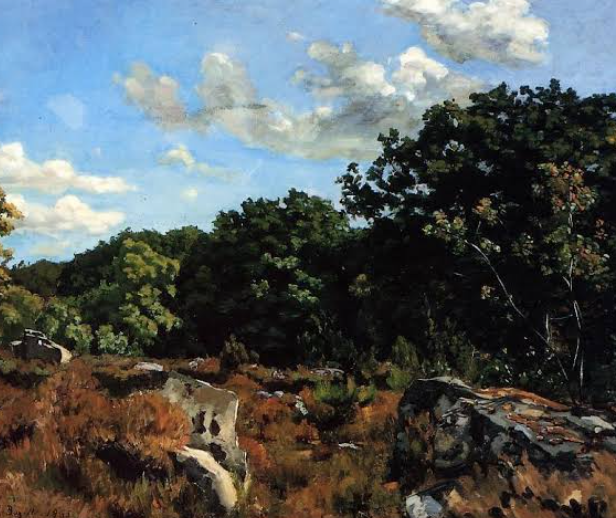
Frédéric Bazille was a prominent figure in the Impressionist movement, known for his innovative approach to figure painting and how he captured outdoor light. His works not only portray stunning landscapes but also feature figures in natural settings, bridging the gap between person and environment. Understanding his technique can inspire contemporary artists and enthusiasts alike.
1. The Influence of Natural Light on Bazille’s Work
Bazille understood the importance of natural light in painting, particularly how it affects color, form, and the overall mood of a piece. In the late 19th century, as artists began to explore outdoor painting, Bazille’s approach was groundbreaking. He experimented with capturing different times of day, observing how sunlight changes the colors and shapes within a scene. His painting “The Summer Scene” is a prime example of this technique, as the changing light dramatically alters the depiction of both figures and background elements.
In addition to varying light, Bazille often studied how shadow interacts with figures. He would spend long hours outdoors, often in gardens or by riversides, noting how shadows shifted and created depth. This attention to light is evident in his work, where mounds of green grass or flowing water reflect back the vibrant palette he employed. The atmospheric effects of light promote a sense of immediacy and connection with nature, inviting viewers to step into the scene.
-
- Experiment with different times of day when painting outdoors.
-
- Pay attention to how colors change with the light.
-
- Study shadows to add depth to your figures.
-
- Use a limited palette to ensure cohesive color harmonies.
2. The Composition of Figures in Natural Settings
Central to Bazille’s distinctive style is his unique composition of figures within natural landscapes. Unlike traditional portraiture, Bazille frequently integrated figures into broader settings, resulting in a dynamic interplay between the subjects and their environments. For instance, in his work “The Family Reunion,” not only are the figures engaging with each other, but the surrounding nature adds an evocative quality that enhances the narrative of the painting.
Moreover, Bazille was adept at conveying motion within his figures, presenting them in moments of activity and repose. This cinematic feel to his compositions invites viewers to contemplate the relationships between the figures and their surrounding environment. The natural settings often serve as more than just a backdrop; they become an essential part of the composition that influences the viewer’s interpretation of the characters in the painting.
-
- Incorporate figures into your landscape to create a narrative.
-
- Experiment with different poses to convey movement.
-
- Consider how different settings influence character interactions.
-
- Use elements of nature to complement the emotion of your figures.
3. The Significance of Brushwork and Color Palette
Bazille’s brushwork was characterized by a loose, expressive style that allowed for the lively representation of light and color. This technique, influenced by his Impressionist peers, emphasizes the immediacy of the moment. His vibrant colors were often layered to achieve a sense of luminosity that mimics natural light. A look at “The Artist’s Studio” reveals how effective brushwork can transform ordinary scenes into vivid portrayals of daily life.
Additionally, Bazille often used a harmonious color palette that combined both warm and cool tones, creating a balanced visual experience. By layering paint and utilizing broader strokes, he gave an impression of both fluidity and clarity. This method helped to achieve that atmospheric perspective so resonant in his outdoor scenes, thus impacting how viewers perceive the spatial depth in his works.
-
- Experiment with loose brushwork to capture the essence of light.
-
- Layer colors to add depth and vibrancy to your paintings.
-
- Utilize contrasts between warm and cool colors for balance.
-
- Practice daily painting to develop an intuitive understanding of color.
Frédéric Bazille’s contributions to figure painting and the depiction of outdoor light continue to inspire artists today. By studying his techniques and understanding his approach to color, light, and composition, you can enhance your own artistic practice. Whether you’re a budding artist or a seasoned painter, exploring these themes may lead you to your own breakthroughs in creativity.