Camille Pissarro holds a unique position in the art world as one of the foundational figures of Impressionism. His innovative techniques and commitment to capturing everyday life significantly influenced this revolutionary movement. Let’s dive into his contributions and legacy.
1. Early Life and Influences
Born in 1830 in the Caribbean island of St. Thomas, Pissarro’s early experiences shaped his artistic vision. He was exposed to a diverse culture, inspiring him to explore color and light in new ways. After moving to Paris, he became acquainted with renowned artists like Monet and Cézanne, further solidifying his role in the Impressionist movement.
His time at the Académie Suisse, where he met fellow Impressionists, was pivotal. Here, he embraced the notion of painting en plein air (outdoors), focusing on capturing natural light. The influence of Barbizon School artists also encouraged him to portray landscapes and rural life, themes that became central to his work.
-
- Explore early influences on Pissarro’s art.
-
- Research Barbizon School artists.
-
- Experiment with plein air painting to understand its appeal.
-
- Visit local galleries showcasing similar themes.
2. Pioneering Impressionist Techniques
Pissarro’s techniques were essential for the development of Impressionism. He employed broken brush strokes and vibrant colors, giving his paintings a sense of movement and life. This approach distinguished his works from those of more traditional artists, as he aimed to capture a moment in time rather than a perfect representation of reality.
One of Pissarro’s notable contributions was his focus on light and shadow. He experimented with how light interacts with surfaces, creating a dynamic interplay in his landscapes and portraits. His innovative use of complementary colors, where opposing colors enhance each other, greatly impacted how color theory evolved among his contemporaries.
-
- Practice using broken brush strokes in your artwork.
-
- Experiment with complementary color schemes.
-
- Analyze how light affects different subjects outdoors.
-
- Try recreating a Pissarro painting as a study exercise.
3. Legacy as an Educator and Mentor
Pissarro was not only an artist but also an educator who valued collaboration. He believed in sharing knowledge with fellow artists and actively participated in group exhibitions. Pissarro’s openness and guidance fostered a sense of community among Impressionists, as he encouraged his peers to pursue their individual styles while retaining the essence of the movement.
Moreover, Pissarro’s mentoring extended to artists such as Paul Cézanne and Paul Signac. He provided constructive feedback, pushing them to refine their technique and conceptual approaches. His dedication to nurturing the next generation of artists solidified his reputation not just as a painter but as a father figure in the Impressionist movement.
-
- Connect with local artists for collaboration opportunities.
-
- Seek mentorship from experienced creators.
-
- Share your own knowledge with emerging artists.
-
- Participate in workshops or community art projects.
4. Major Works and Their Impact
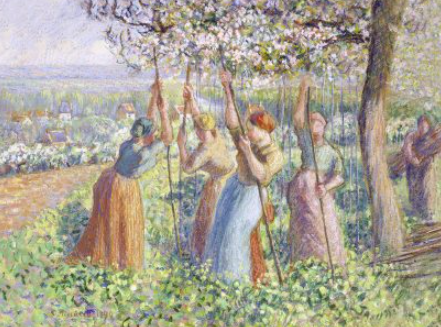
A selection of Pissarro’s major works exhibits his evolution and place within Impressionism. Paintings like “The Boulevard Montmartre, Spring” and “The Harvest” showcase his dedication to ordinary life and the changing seasons. These works highlight his ability to render relatable experiences in a way that resonates with audiences, transcending mere representation.
Furthermore, Pissarro embraced the changing landscapes and urbanization of his time. His portrayals of rural settings, bustling markets, and suburban life reflected the shifts occurring in society, making his work relevant not only artistically but also socially. This ability to capture the zeitgeist is a testament to his foresight and skill.
-
- Identify key themes in Pissarro’s major works.
-
- Visit museums that have significant collections of his paintings.
-
- Engage with discussions on social relevance in art.
-
- Paint your interpretation of a modern-day scene inspired by Pissarro.
5. The Enduring Influence of Pissarro
Today, Camille Pissarro’s legacy lives on, influencing a new generation of artists. His methods continue to be explored in various artistic practices, and his paint handling techniques are taught worldwide. Additionally, the Impressionist principles he championed, such as spontaneity and a focus on light, remain integral to modern art movements.
Moreover, Pissarro’s approach to social issues in art paved the way for future artists to address topics of their time. Modern artists draw on his desire to depict everyday life, incorporating their unique contexts and experiences into contemporary art. This ongoing dialogue ensures that Pissarro remains a vital part of art history.
-
- Study how contemporary artists draw inspiration from Pissarro.
-
- Attend lectures or webinars about Impressionism’s impact today.
-
- Read literature analyzing Pissarro’s influence on various movements.
-
- Create your own art project inspired by social themes.
Camille Pissarro’s contributions to Impressionism are invaluable, providing insights into not just the technique but also the philosophy behind the movement. By delving into his life and works, you can gain a deeper appreciation for artistic practices that continue to shape our world today. Consider engaging with your local art community or diving into your own artistic endeavors inspired by his legacy.