
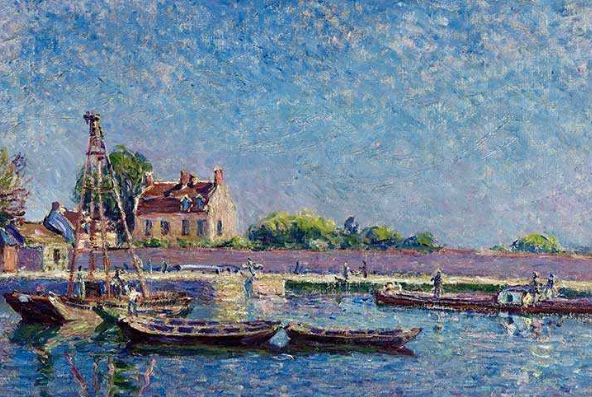
Alfred Sisley, a key figure in the Impressionist movement, is renowned for his extraordinary depictions of landscapes, particularly those involving sky and water. His use of color and light creates remarkable atmospheres that capture fleeting moments, inviting viewers to immerse themselves in the natural world. In this post, we’ll explore how Sisley manipulated these elements to express emotion and convey beauty.
1. The Impressionist Technique: Sky and Water
Sisley’s approach to capturing the interplay between sky and water was revolutionary. He used quick brush strokes and a vibrant palette to represent the ever-changing conditions of nature. For instance, in works like “The Bridge at Villeneuve-la-Garenne,” the reflection of the sky on the water is carefully crafted, allowing the viewer to experience the shimmering effect of light—a hallmark of Impressionism.
This technique involved painting en plein air, or outdoors, which allowed Sisley to seize the nuances of light in real-time. By observing the sky and water directly, he was able to depict the subtle transitions of color, such as the soft pinks of dawn meeting the deep blues of the river. This method emphasizes sensation over accuracy, creating a sensory experience rather than a literal one.
-
- Always carry a color palette that includes a range of blues and whites for skies.
-
- Experiment with brush techniques to capture reflections in water.
-
- Consider the time of day for lighting effects when painting landscapes.
-
- Develop a habit of painting outdoors to embrace en plein air methods.
2. Symbolism of Sky and Water in Sisley’s Work
The sky and water in Sisley’s paintings often symbolize serenity and introspection. For example, “The Seine at Argenteuil” features a calm river under a gently lit sky, representing a moment of tranquility amidst the chaos of modern life. The harmonious blending of these elements invites viewers to reflect on their own feelings of peace or nostalgia, making his landscapes deeply personal experiences.
Furthermore, the connection between sky and water also conveys themes of unity and continuity. In works like “Flood at Port-Marly,” the rising waters reflect dark storm clouds overhead, illustrating nature’s duality—its beauty and its power. This dynamic interplay serves as a reminder of the cycles of life and the constant changes in both nature and human emotions.
-
- Analyze how colors influence feelings in your own work.
-
- Explore the dualities in nature that can enrich your paintings.
-
- Reflect on personal experiences related to tranquility and chaos.
-
- Use symbolism consciously to convey deeper meanings in your art.
3. Techniques for Capturing Sky and Water in Your Own Art
If you are inspired by Sisley’s approach to painting sky and water, there are specific techniques you can employ to enhance your artwork. Start by mastering the use of color gradation and blending techniques to imitate the atmospheric effects observed in his paintings. Whether it’s the delicate pastels of dawn or the turbulent grays of a tempest, a good understanding of color theory is essential.
Another effective method is to experiment with layering. Sisley often layered his paints to create depth and texture, particularly in water where reflections are concerned. This not only adds three-dimensionality to your work but also helps to convey the fluidity and movement inherent in natural bodies of water. Utilizing a palette knife can also assist in generating textures that mimic ripples and waves.
-
- Practice color blending to create atmospheric effects in your paintings.
-
- Layer your paints to develop depth and complexity in sky and water scenes.
-
- Experiment with different brushes and tools, such as palette knives.
-
- Observe real skies and water reflections to understand their nuances.
4. Finding Inspiration in Nature: A Sisley-Inspired Approach
To truly capture the essence of sky and water like Sisley, immerse yourself in nature. Take regular excursions to local parks, waterways, and landscapes to observe the effects of light on various surfaces. Bring along a sketchbook or camera to document your observations, focusing on how the sky interacts with bodies of water at different times of the day.
Additionally, consider joining workshops or artist groups focused on landscape painting, where you can share ideas and techniques with fellow artists. This collaboration can spark new creative directions and deepen your understanding of natural elements in art. From simple sketches to comprehensive studies, each observation can inform and inspire your artistic journey.
-
- Schedule regular outdoor painting sessions to observe light and color changes.
-
- Document your observations in sketches or photographs.
-
- Join local art groups to gain insights and feedback.
-
- Experiment with different times of the day to capture various atmospheres.
In conclusion, Alfred Sisley’s mastery of sky and water in Impressionist painting offers a wealth of inspiration for artists and art enthusiasts alike. By embracing his techniques and philosophies, you can deepen your understanding of nature and enhance your artistic expression. So grab your brushes and start creating! Whether you’re painting outdoors or in your studio, let the beauty of sky and water guide your artistic journey.