Édouard Manet, often regarded as a pivotal figure in the transition from Realism to Impressionism, made significant strides in the realm of still life paintings. His use of loose brushwork and innovative compositions set the groundwork for modern art, inviting viewers to appreciate ordinary objects in new and refreshing ways.
1. Manet’s Unique Approach to Still Life
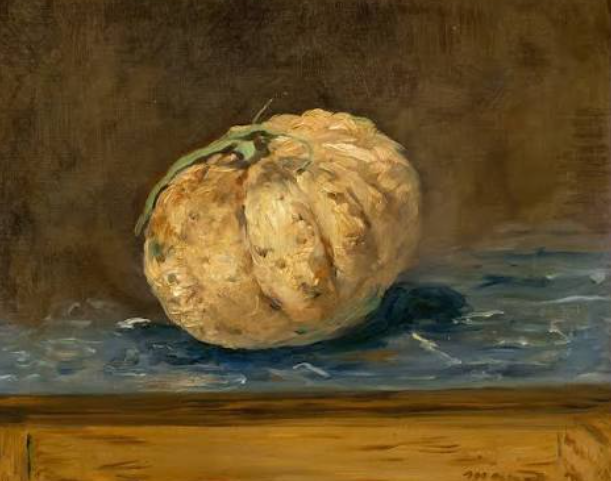
Unlike his predecessors, Manet had an eye for the modern world, shifting the focus in still life from the overly polished and idealized objects. His works often featured everyday items such as food, flowers, or household objects, rendered with an emotional intensity that breathed life into them. In pieces like “Still Life with Melon” and “Bouquet of Roses,” Manet employed his distinct style to celebrate the beauty of the mundane.
Manet’s still life compositions are often striking for their simplicity and directness. He utilized strong contrasts of light and shadow to create depth, while his loose brushwork added a sense of spontaneity to the canvas. This combination invited viewers to engage with the artwork at a more personal level, as if they were sharing a moment with the objects depicted rather than merely observing them.
-
- Choose everyday objects that inspire you.
-
- Experiment with different compositions; try placing items at various angles.
-
- Consider light sources and how they will interact with your chosen objects.
-
- Don’t be afraid to use bold colors or unexpected contrasts.
-
- Practice loose brush techniques by painting quickly without strict details.
2. The Significance of Loose Brushwork
Loose brushwork is a hallmark of Manet’s artistic style, allowing for fluidity and motion. This technique not only contributes to the overall visual effect but also serves to evoke emotion in the viewer. For instance, the quick, energetic strokes can provoke a sense of immediacy, as if the artist captured a fleeting moment in time.
Furthermore, loose brushwork plays a crucial role in the texture and form of the objects depicted. Instead of meticulously detailed representation, Manet’s approach encourages viewers to ‘feel’ the essence of the items—like the juiciness of a ripe fruit or the softness of flower petals—creating a tactile sense through visual means. His method paved the way for later Impressionists, who would adopt and expand on these liberated techniques.
-
- Use a large brush to create expansive strokes.
-
- Experiment with color mixing directly on the canvas.
-
- Practice painting quickly to enhance your natural style.
-
- Avoid overworking your brushstrokes; embrace imperfections.
-
- Study the play of light by painting the same object in various lighting conditions.
3. Key Influences on Manet’s Still Life Techniques
Manet was influenced by various artistic movements and fellow artists. The work of Spanish masters such as Diego Velázquez and Francisco Goya can be seen in his use of dramatic lighting and composition. Additionally, the influence of Japanese prints, which highlight flat areas of color and bold outlines, is often reflected in his still life arrangements and their overall aesthetics.
These influences shaped Manet’s perspective on realism and abstraction, encouraging him to challenge conventions. He sought to present a distilled reality—a blend of the recognizable and the evocative, which would later inspire many artists in their pursuit of artistic freedom. Through his exploration, he crafted a new language that spoke to the essence of objects without the weight of idealism.
-
- Research the works of artists who inspired Manet.
-
- Analyze how cultural influences can shape artistic intent.
-
- Reflect on how your own context influences your creative work.
-
- Visit art galleries to observe different styles and interpretations.
-
- Engage in discussions about the impact of historical art movements on contemporary art.
4. Practical Tips for Creating Your Own Manet-Inspired Still Life
If you’re inspired to create your own still life in the style of Manet, it’s essential to approach the task with both intention and freedom. Start by setting up a selection of ordinary objects in a way that feels natural and inviting. Focus on the composition, considering how each item interacts with one another and the space around them.
While painting, allow your emotions to guide your brushwork. Don’t shy away from making bold choices in color and form. Remember that the objective is not just to depict reality accurately but to capture the spirit and essence of your subjects in a way that resonates with viewers. Embrace experimentation; if something doesn’t work, use it as a learning opportunity.
-
- Gather a variety of simple objects for your still life.
-
- Use natural light to enhance textures and colors.
-
- Don’t be afraid to shake things up; rearrange objects until it feels right.
-
- Consult tutorials on loose brush techniques for guidance.
-
- Share your work with others for constructive feedback.
Édouard Manet’s innovations in still life and his masterful execution of loose brushwork continue to inspire artists today. By understanding his methods and philosophies, you can enhance your own artistic practices and create works that embody the essence of everyday beauty. Start your artistic journey today by experimenting with your surroundings and letting your creativity flow!