
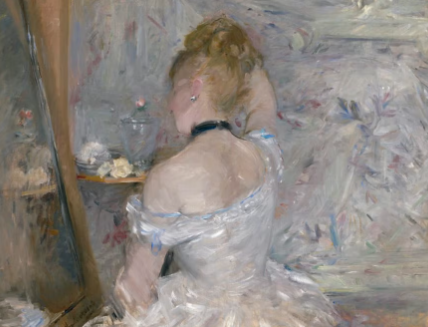
Berthe Morisot was a pioneering painter in the Impressionist movement, gaining recognition for her unique perspective as a woman artist in the 19th century. Her work not only sheds light on the artistic innovations of the time but also highlights the significance of the female gaze in art. This blog post delves into Morisot’s influence, her distinct style, and how she contributed to redefining the portrayal of women in art.
1. Berthe Morisot: A Trailblazer in Impressionism
Berthe Morisot (1841-1895) was one of the few female artists accepted into the Impressionist group. As a close associate of prominent figures like Édouard Manet and Pierre-Auguste Renoir, she developed her technique by observing the world through her own lens. What set Morisot apart was her ability to convey intimacy and emotion, often exploring the domestic lives of women and children, which was an underrepresented theme in her time.
Morisot’s works are characterized by lively brushwork and a light color palette, reflecting her keen observation of the effects of light and atmosphere. She often painted scenes of everyday life, making the familiar feel extraordinary. Her notable works, such as “The Cradle” and “Summer’s Day,” exemplify her innovative approach and her commitment to showcasing women’s experiences. Through these images, Morisot challenged conventional depictions of women, giving her subjects depth and agency.
-
- Explore Morisot’s paintings to understand her unique style.
-
- Research the context of women artists in 19th-century France.
-
- Examine the influences of other Impressionists on her work.
-
- Visit museums that feature her paintings for a firsthand experience.
2. The Female Gaze: Reframing Women’s Depiction in Art
Morisot’s perspective as a woman allowed her to depict female subjects in ways that were both relatable and empowering. Unlike her male counterparts, she often portrayed women in domestic settings, emphasizing their roles and contributions rather than objectifying them. This approach created a more nuanced understanding of femininity and motherhood, illustrating the strength and complexity of women’s lives.
-
- Analyze iconic artworks for themes of motherhood and friendship.
-
- Consider the historical context when viewing her paintings.
-
- Discuss how Morisot’s work relates to contemporary issues of gender.
-
- Engage in conversations about the visual representation of women in art today.
3. Legacy and Influence: Continuing the Dialogue on Gender and Art
Morisot’s influence extends beyond her lifetime, inspiring many subsequent generations of artists, particularly women. As the art world began to open its doors to female artists, Morisot’s path became a source of inspiration. She paved the way for women to explore their identities and experiences through art, validating their narratives in a domain traditionally dominated by men.
In contemporary art, the dialogue surrounding the female gaze has continued to evolve, often invoking Morisot’s legacy. Artists like Cindy Sherman and Louise Bourgeois draw upon themes of identity and gender, further challenging the traditional representations established in history. Today, more women artists are gaining recognition and their voices are reshaping the art landscape, reflecting a broader spectrum of experiences and perspectives.
-
- Stay informed about exhibitions featuring women artists.
-
- Attend talks and panels discussing gender and art.
-
- Support female artists by purchasing or promoting their work.
-
- Engage critically with art, considering the perspectives of the artist.
In conclusion, Berthe Morisot’s contributions to Impressionism and the portrayal of women in art are significant and enduring. Her ability to capture emotional depth and the everyday experiences of women continues to resonate today. As you explore her work and the broader implications of the female gaze, consider how these narratives can inform and inspire contemporary discussions in art.