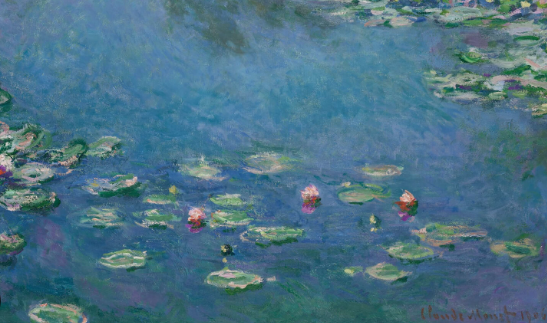
Claude Monet’s paintings of water lilies are emblematic of the Impressionist movement and have captivated art lovers for generations. His masterpieces depict serene garden scenes that transform ordinary landscapes into vibrant displays of color and light.
1. The Inspiration Behind Monet’s Water Lilies
Monet was deeply inspired by his own garden at Giverny, where he cultivated a variety of plants and flowers. This garden was not just a source of beauty but also a living canvas that he would translate onto his canvases. His famous lily pond, with its mesmerizing reflections and play of light, became a recurring subject that illustrated his fascination with nature’s transience.
Specifically, Monet’s water lilies were painted during the last 30 years of his life, a period marked by experimentation and abstraction. He often painted the same scene multiple times under different lighting conditions, showcasing his desire to capture the essence of nature as it evolved. This series emphasizes the subtleties of color and form that characterize Impressionism.
-
- Visit Monet’s garden at Giverny if you have the chance.
-
- Consider how the changing seasons and light can affect a garden’s appearance.
-
- Experiment painting your surroundings at different times of day.
-
- Document your impressions of nature through photography or sketching.
2. Techniques Used in Monet’s Garden Paintings
Monet employed unique techniques that defined the Impressionist style, most notably his use of color and brush strokes. Short, broken brushwork created the illusion of movement and light in his paintings. This technique allowed viewers to perceive scenes not just through detail but also through feeling, encouraging them to experience the beauty of the moment.
Additionally, Monet often painted en plein air, or outdoors, which further contributed to the authenticity of his work. By capturing subjects directly, he was able to convey the interplay of natural light and color. This practice set a benchmark for future generations of artists, allowing for a more dynamic and spontaneous approach to landscape painting.
-
- Practice short, quick brush strokes to create dynamic effects in your own art.
-
- Use a limited color palette to explore the various shades found in nature.
-
- Try painting outdoors to gain insight into natural lighting.
-
- Study the interplay of colors in different flowers and how they complement each other.
3. The Legacy of Monet’s Water Lilies
The legacy of Monet’s water lilies extends far beyond the art world; they have influenced countless artists, gardeners, and enthusiasts. His work has become synonymous with the Impressionist movement, reflecting the harmony between nature and art. Monet’s focus on personal experience and perception has inspired artists to explore subjects in new and innovative ways.
In contemporary culture, Monet’s water lilies continue to be celebrated. Exhibitions dedicated to his work regularly draw crowds, and his paintings have become iconic symbols of Impressionism. Moreover, the principles he championed—seeing beauty in the everyday and prioritizing emotional resonance—are as relevant today as they were a century ago.
-
- Explore modern interpretations of Impressionism and how artists continue his legacy.
-
- Consider how Monet’s focus on nature can inspire your own gardening practices.
-
- Engage with local art groups to discuss the impact of Impressionism.
-
- Incorporate Monet’s principles into your creative process, focusing on the feeling rather than just the detail.
Claude Monet’s water lilies and garden paintings remain an incredible source of inspiration for both artists and nature enthusiasts. By appreciating his techniques and exploring the natural world around us, we can find our own creativity and joy in art. Embrace this journey and let Monet’s legacy guide you as you create your own masterpieces.