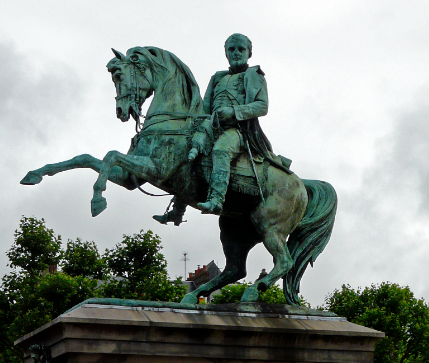
Napoleon Bonaparte remains one of the most iconic figures in history, and his depictions in monumental art often feature him on horseback. This choice is not merely artistic but loaded with historical significance and symbolism. In this blog post, we will explore three primary reasons why Napoleon is frequently sculpted on horseback in various monumental artworks.
1. Symbol of Power and Authority
The representation of rulers on horseback has a long tradition in art that conveys strength, control, and authority. When sculptors portray Napoleon on horseback, they are not just showing him as a leader but also as a commander in chief, actively engaging in battle. The horse elevates Napoleon, both literally and figuratively, projecting a sense of dominance over the viewer and reinforcing his status as a powerful figure.
Moreover, horses have historically been associated with nobility and valor. In the context of Napoleon, this is particularly poignant as he was known for his military campaigns across Europe. His mounts, like Marengo and others, were integral to his identity as a military leader. As a result, sculptors aimed to capture not only his likeness but also the essence of his formidable character.
-
- Understand the symbolism: Power, authority, and control are conveyed through equestrian sculptures.
-
- Research famous examples: Look into sculptures like “Napoleon on the Horse” by Antoine-Denis Chaudet.
-
- Examine the materials: Bronze and marble are often used to signify permanence and grandeur.
-
- Consider historical context: Equestrian statues often emerged during periods of political upheaval.
2. Celebration of Military Achievement
Napoleon was a military genius who led successful campaigns that dramatically shaped European borders. Equestrian sculptures serve as a visual celebration of these military achievements, allowing viewers to remember the glory associated with his victories. By depicting him on horseback, artists immortalize the military prowess that defined much of his legacy, creating an everlasting tribute to his strategies, bravery, and leadership qualities.
The choice of creating these artworks at significant locations, such as squares and governmental buildings, reinforces their messages. They serve not only as reminders of Napoleon’s military successes but also as national symbols, encouraging civic pride and unity. This is particularly evident in pieces like the famous “Napoleon Bonaparte at the Saint-Bernard Pass,” which dramatically captures a decisive moment in his military career.
-
- Explore the locations: Equestrian statues are often placed in central locations to maximize visibility.
-
- Analyze the details: Emblems and symbols representing victories may be included in the sculptures.
-
- Look for public reaction: Equestrian statues often inspire public discourse about military history.
-
- Research the artists: Knowing the background of sculptors can add depth to the understanding of the artworks.
3. Transformation of a Historical Figure into a Cultural Icon
By portraying Napoleon on horseback, artists solidify his transformation from a historical figure into a cultural icon. This form of representation conveys not just his military capabilities but also his role as a key figure in the narrative of French nationalism. His image resonates with themes of heroism and national spirit, helping to shape a collective identity that persists even today.
In many ways, these equestrian sculptures function as symbols of modernity and progress. Napoleon embodied the spirit of the Enlightenment and the ambition of revolutionary France. The grand scale and artistic representation of him on horseback evoke inspiration, encouraging future generations to view history through the lens of aspiration and possibility.
-
- Consider the cultural implications: How does Napoleon’s image affect national identity today?
-
- Explore other cultural icons: Compare with figures like George Washington or Alexander the Great.
-
- Analyze the techniques: Observe how sculpture techniques enhance the ‘larger-than-life’ image.
-
- Reflect on public perception: How has Napoleon’s image evolved in modern culture?
The monumental sculptures of Napoleon Bonaparte on horseback serve multifaceted purposes, embodying elements of power, military achievement, and cultural identity. By understanding these aspects, we can appreciate the depth and significance behind these impressive artworks. Feel free to explore more about Napoleon’s legacy and how it continues to influence modern perspectives on leadership and national identity.