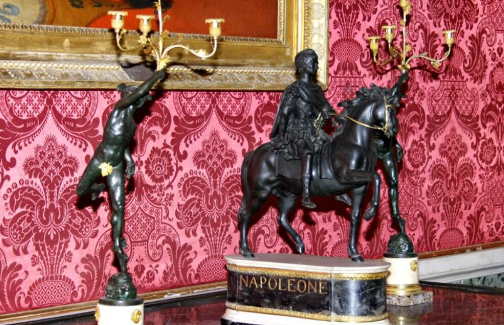
Napoleon Bonaparte is a name synonymous with power, military strategy, and grandeur, but perhaps less recognized is his influence on the visual arts, particularly equestrian statues. These powerful sculptures not only served as a testament to his leadership but also as a visual language of imperial aspiration that conveyed messages of strength, authority, and nationalism. This blog post will explore the significance of Napoleon’s equestrian statues and their role in shaping the visual narrative of empire.
1. The Symbolism of Equestrian Statues
Equestrian statues have a long history, often representing heroes, military leaders, and icons of authority. Napoleon’s equestrian statues exhibit grand symbolism reflecting his military prowess and leadership style. One of the most prominent examples is the statue of Napoleon at the Place Vendôme in Paris, where he is depicted riding a rearing horse, an image that emphasizes both victory and nobility. This particular statue serves not just as a representation of Napoleon but also as a symbol of the French Empire’s stature and aspirations during his reign.
The positioning of the horse also carries symbolic weight; a horse rearing on its hind legs can convey defiance and bravery, signifying that the leader is not just a ruler but a soldier willing to charge into battle. Such statues were designed to inspire admiration and loyalty among citizens, making them central to the public’s perception of Napoleon as an almost mythical figure. They became visual affirmations of his power and control over the state.
-
- Analyze the position and gestures of horses in equestrian statues.
-
- Research historical references to horse-riding in military symbolism.
-
- Consider the location of the statues and its impact on public perception.
-
- Examine public reactions to these sculptures in early 19th century France.
2. Architectural Context and Public Reception
The architectural context in which these equestrian statues were erected plays a crucial role in their interpretation. Many statues were strategically placed in public squares, monuments, or at the entrances of significant buildings, ensuring high visibility to a wide audience. For instance, many of Napoleon’s statues were placed in places of civic importance, symbolizing his connection to the populace and the city. The grand settings help amplify the statues’ impact, as they become part of a larger narrative of civic pride and national identity.
The public reception of these statues varied, reflecting not just admiration but also criticism. After Napoleon’s fall from power, many of his statues were dismantled or destroyed as symbols of oppression. However, they still served as a reminder of a powerful era, invoking nationalistic sentiments that lingered long after their removal. This highlights the dual nature of these artworks as both instruments of propaganda and reflections of the socio-political climate of the time.
-
- Explore locations where statues were erected and their significance.
-
- Research public opinions during and after Napoleon’s reign.
-
- Consider the impact of architectural design on the perception of the statues.
-
- Investigate changes in urban planning influenced by these monuments.
3. The Legacy of Napoleon’s Equestrian Statues
The legacy of Napoleon’s equestrian statues continues to resonate through contemporary art and culture. Many modern leaders have adopted similar approaches by commissioning equestrian statues to project power. However, the controversy surrounding such monuments remains relevant; discussions around their historical context and what they symbolize can lead to debates about collective memory and representation. Today, redefining or reassessing statues of controversial figures is becoming an important issue worldwide.
Moreover, the craft of sculpting these statues, which requires great artistic skill and knowledge of anatomy, continues to be a subject of study in the art world. Preserved monuments from Napoleon’s era are often referenced in discussions about the idealized image of leadership, and their artistic merits are continually evaluated by historians and art critics. These discussions can shed light on how we interpret power and authority in visual media today.
-
- Investigate contemporary discussions regarding public monuments.
-
- Study the artistic techniques used in equestrian statues.
-
- Engage in dialogues about the role of art in memory and history.
-
- Explore how the symbolism of power has evolved in modern times.
In conclusion, Napoleon Bonaparte’s equestrian statues are more than mere sculptures; they are intricate narratives of empire, power, and legacy. Understanding their symbolism, context, and lasting impact allows us to appreciate their role in shaping national identity and public perception. As we reflect on these monuments, consider exploring the relationship between art and authority in your own community, and how it shapes historical understanding.