Constantin Brâncuși is a pivotal figure in the realm of sculpture, particularly known for his transformative impact on abstract art. His avant-garde approach broke traditional boundaries, influencing generations of artists and shaping contemporary perceptions of three-dimensional form. Understanding his contributions sheds light on the evolution of modern art and the significance of abstraction in sculpture.
The Essence of Abstraction in Brâncuși’s Work
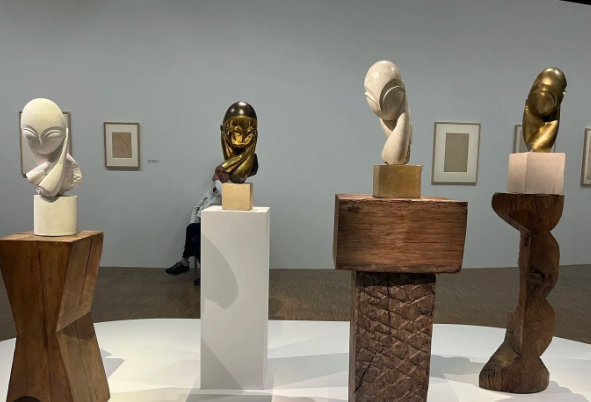
Brâncuși’s art is characterized by its simplicity and purity, often distilling complex forms into essential shapes. This reductionist approach allowed him to capture the essence of his subjects, moving away from naturalistic representation. For instance, his famous piece “Bird in Space” exemplifies this idea, where the bird is transformed into a sleek, elongated form that emphasizes flight rather than realism. Through such works, Brâncuși liberated sculpture from traditional constraints, inviting viewers to explore deeper meanings behind the shapes.
Influence on Future Generations of Artists
The impact of Brâncuși’s work extends far beyond his own creations; he laid the groundwork for future artists exploring abstraction. His emphasis on form and materiality can be seen in the works of notable artists like Henry Moore and Alberto Giacometti, who embraced similar ideas of simplicity and abstraction in their sculptures. By pushing the boundaries of expression, Brâncuși inspired movements such as minimalism and modernism, which prioritize essential forms and concepts over intricate details. His legacy endures as artists continue to draw upon his innovative spirit.
The Role of Material in Brâncuși’s Sculpture
Brâncuși had a profound appreciation for the properties of different materials, using wood, marble, and bronze in ways that highlighted their inherent qualities. He believed that the choice of material could influence the emotional resonance of a piece. For example, his use of polished marble in “The Kiss” not only showcases his technical skill but also evokes a sense of timelessness and solidity. By mastering these materials, Brâncuși transformed sculptures into tangible manifestations of his artistic vision, encouraging others to consider the relationships between form, texture, and meaning.
Brâncuși’s journey through the realms of form and abstraction continues to be a source of inspiration for artists and art enthusiasts alike. Exploring his work offers valuable insights into the evolution of sculpture, emphasizing creativity and innovation. Dive deeper into the world of modern sculpture by seeking out exhibitions or literature that celebrate Brâncuși’s profound influence.