
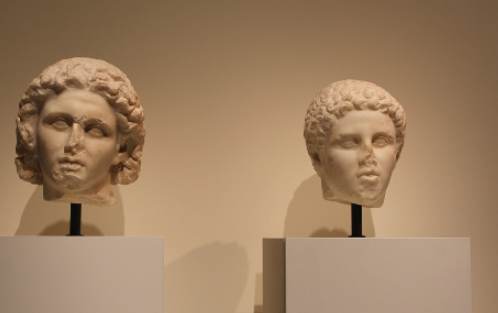
The art of sculpture often evokes a sense of motion and tension, encapsulating a moment in time. Alexander sculptures are prime examples of how these elements can create a powerful narrative and engage viewers in a unique way.
1. The Elements of Motion in Alexander Sculptures
Motion in Alexander sculptures is achieved through dynamic positioning and the use of curves. The figures often appear to be in the midst of action, whether it’s a horse charging forward or a human figure in mid-stride. For instance, the fluid lines and postures in these sculptures suggest movement, inviting the viewer to imagine a story unfolding. The use of cascading drapery or flowing hair also adds to this dynamic feeling, increasing the sense of energy and life in the artwork.
Another technique used to convey motion is foreshortening, where parts of the sculpture are intentionally distorted to represent depth and perspective. This is particularly effective in sculptures depicting athletes or dancers, where the pose might suggest various stages of movement. These aspects combine to create not just a visual illusion but also a sense of emotional engagement from the viewer, as they can almost feel the motion resonating from the piece.
-
- Look for curved lines that suggest movement.
-
- Observe how the position of limbs creates an action-oriented posture.
-
- Consider the visual weight distribution in the sculpture.
-
- Pay attention to the surface textures that may enhance motion.
-
- Reflect on the emotional intensity conveyed through aggressive or fluid poses.
2. The Role of Tension in Sculpture Narratives
Tension in Alexander sculptures is often portrayed through contrasts between strength and fragility. For example, a figure may hold a heavy weapon or shield, showing physical power, while the other hand might grasp a fragile flower, emphasizing vulnerability. This interplay creates a rich narrative that resonates deeply with viewers. Tension is also generated through body language; an arched back or stretched limbs can suggest struggle or anticipation, making the viewer almost feel the character’s emotional state.
Additionally, the concept of tension can also extend into the relationships depicted in the sculpture. When multiple figures are present, their positioning can create a visual tug-of-war, where the space between them conveys unresolved conflict or harmony. This allows the artwork to communicate complex emotions and stories without uttering a single word, inviting the viewer to interpret the narrative for themselves.
-
- Examine contrasts in posture and limb positioning.
-
- Notice how elements of fragility can coexist with strength.
-
- Interpret the emotional narrative presented through body language.
-
- Reflect on relationships between multiple figures in the sculpture.
-
- Think about how tension can reveal deeper themes, such as struggle or connection.
3. Techniques Artists Use to Enhance Motion and Tension
Artists employ various techniques to enhance the perception of motion and tension in Alexander sculptures. One such technique is the use of light and shadow; by carving surfaces at different angles, artists can create contrast that emphasizes movement and depth. Shadows can make certain areas of the sculpture appear as if they change as the observer walks around the piece, thereby enhancing the sensation of motion.
Moreover, the choice of materials also plays a crucial role. The use of softer materials like marble can create flowing lines and delicate features that enhance the dynamic aspect of motion. In contrast, bolder materials like bronze can lend an air of strength and permanence, which is also key to conveying tension. Artists must thus consider both the physical and aesthetic properties of their chosen medium to effectively express these elements in their work.
-
- Use contrasting materials to balance softness and strength.
-
- Explore the impact of light on surface details.
-
- Incorporate varied textures to engage the viewer visually.
-
- Experiment with scale to create dramatic effects.
-
- Consider positioning and orientation for optimal visual impact.
In conclusion, understanding the use of motion and tension in Alexander sculptures can significantly deepen your appreciation for this art form. By exploring these techniques and elements, you can engage with each piece on a more emotional and intellectual level. Don’t hesitate to visit museums or galleries to see these captivating sculptures in person and experience their dynamic narratives firsthand!