
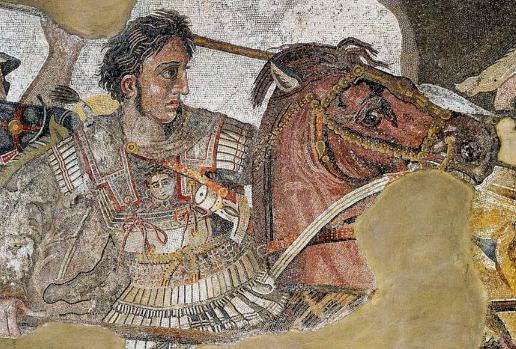
Alexander the Great is often depicted in action poses, displaying a blend of strength, leadership, and tactical genius. These portrayals serve not just to immortalize his historical significance, but also to convey the dynamic nature of his character and accomplishments.
1. The Symbolism of Action in Alexander’s Portrayals
Action poses have long been a favored representation in the art of historical figures, particularly for those like Alexander the Great. The dynamic quality of these poses symbolizes not only physical movement but also the transformational journey of his life. For instance, images depicting him riding into battle on his horse, Bucephalus, evoke a sense of urgency and strength, portraying him as the fearless warrior he was known to be.
Furthermore, action poses serve as a metaphor for Alexander’s relentless pursuit of greatness. His conquests, which spread from Greece to India, required not just physical courage but also strategic intellect. In art, the depiction of Alexander in motion communicates his decisiveness and the relentless nature of his ambition, inspiring those who view his legacy even today.
-
- Consider the use of action poses in leadership imagery.
-
- Explore how movement conveys a character’s journey.
-
- Analyze artworks from different cultures showing Alexander.
-
- Identify symbols associated with action in historical art.
2. The Artistic Techniques in Depicting Alexander
Artists employ various techniques to effectively capture Alexander’s action in their art. For example, the use of dynamic lines directs the viewer’s eye to the focal elements of his poses. Artists often choose specific angles and perspectives that heighten the drama, making the viewer feel as if they are part of the scene. This technique encourages active engagement, allowing the audience to immerse themselves in Alexander’s world.
Color also plays a crucial role in how artists represent Alexander in action. Bold colors are often used to enhance the emotional tone of the scene. For instance, reds and golds can signify passion and power. By contrasting these colors against darker backgrounds, artists emphasize the protagonist’s dominance and charisma, reflecting Alexander’s character as a formidable leader.
-
- Observe how angles affect the perception of action in art.
-
- Study the use of color palettes in various artworks.
-
- Look for movement indicators in different representations.
-
- Consider how composition shapes the viewer’s understanding.
3. The Legacy and Its Impact on Modern Representations
The legacy of Alexander the Great inspires contemporary artists, filmmakers, and writers, who often portray him in action to reflect the qualities he embodied. Modern adaptations, whether in movies or literature, frequently draw upon these original artistic renditions to forge connections with today’s audiences. These portrayals enhance our understanding of leadership and the complexities of ambition.
Moreover, the continuing fascination with Alexander translates into popular culture, where figures like him are often placed in action-filled narratives that highlight their triumphs and challenges. This cyclical nature of representation shifts the focus from mere historical accounts to dramatic interpretative art that engages audiences worldwide.
-
- Explore modern works that reinterpret Alexander’s story.
-
- Engage with documentaries focusing on his life.
-
- Attend art exhibitions showcasing representations of historical figures.
-
- Participate in discussions on the artistic legacy of historical personas.
The dynamic portrayals of Alexander the Great serve a dual purpose: they celebrate his historical accomplishments while offering insights into the nature of leadership and ambition. Through action poses, artists breathe life into his remarkable story, encouraging us to reflect on our challenges and aspirations. Delve into this rich legacy and explore how these timeless images can inspire your personal journey.