
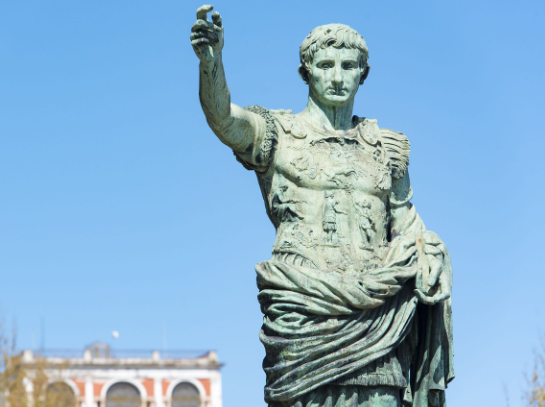
The statues of Julius Caesar serve as more than mere artistic expressions; they embody a complex tapestry of political symbolism that has evolved over centuries. From their initial role in ancient Rome to their modern interpretations, these statues reflect the ideals, values, and power dynamics of various historical contexts.
1. The Origin of Julius Caesar Statues
The earliest statues of Julius Caesar were created shortly after his assassination in 44 BCE. Roman citizens erected these monuments to commemorate their leader and solidify his legacy. The imagery portrayed in these sculptures often emphasized his divine connection and his role as a savior of the republic. For instance, the renowned statue in the Forum Romanum depicted Caesar clad in a toga, signifying his status as a citizen even amid monumental achievements.
These statues were not merely decorative; they communicated political narratives. The use of gilded bronze and imposing scale served to elevate Caesar to almost mythic status. Aside from adornment, the placement of these statues—often in civic spaces—was crucial. They were strategically positioned to remind citizens of Caesar’s contributions to the Republic and serve as symbols of loyalty and unity.
-
- Understand the historical context of Caesar’s rule.
-
- Explore the artistry behind the statues itself.
-
- Analyze the locations where these statues were placed.
-
- Consider how materials affect the perception of power.
2. Political Symbolism During the Empire
As the Roman Empire expanded, statues of Julius Caesar became powerful symbols of authority and governance. Emperors utilized his imagery to legitimize their rule, reinforcing the idea that they were the rightful heirs to Caesar’s legacy. This trend culminated in the deification of Caesar, with statues bearing divine attributes like laurel crowns and other symbols of power, which emphasized an eternal connection to Rome.
In this context, Caesar’s statues began to represent not just individual leadership but the essence of Roman identity itself. By associating themselves with the divine qualities attributed to Caesar, subsequent rulers sought to instill a sense of stability and order. This shift shows the evolving dynamics of power and how monumental art can serve to unite or divide the populace based on perception.
-
- Recognize the significance of divine imagery in statues.
-
- Reflect on how subsequent rulers used Caesar’s legacy.
-
- Evaluate the impact of symbolism on public perception.
-
- Investigate the architectural styles associated with these statues.
3. Modern Interpretations and Cultural Impact
In contemporary times, Julius Caesar statues have become focal points in discussions surrounding power, governance, and ethics. Modern artists and political commentators have sometimes repurposed these statues to critique authoritarianism or explore themes of betrayal and ambition. For instance, visual artists might use replicas of Caesar’s statue in protest art, illustrating how historical symbols can take on new meanings in different social contexts.
Statues of Caesar often spark debates about legacy and memory in modern political discourse. When cities face decisions about such monuments, they must wrestle with the history they represent, the actions of their subjects, and the values of contemporary society. This interplay showcases how art serves as an ongoing dialogue about power and identity, well beyond the realms of politics.
-
- Consider what the statues mean in today’s political climate.
-
- Explore contemporary art that engages with historical symbols.
-
- Participate in discussions about the relevance of such monuments.
-
- Research how recontextualizing historical symbols can spur change.
4. The Role of Public Memory and Historical Revisionism
The statues of Julius Caesar also play a crucial role in shaping public memory and can be subjects of historical revisionism. Over time, societies reassess their past leaders and monuments, considering how they align with modern values. This re-evaluation often results in debates about the need for removing or contextualizing such statues. For example, cities have engaged in public dialogues about whether to take down statues commemorating controversial figures, including Julius Caesar, who are perceived to have contributed to systemic issues.
These discussions often trigger an examination of the moral implications behind celebrating historical figures. How does society reconcile its past actions with its present beliefs? The outcome of such debates could lead to the creation of educational placards, new artworks, or even entirely new structures that honor the complexity of history rather than glorifying its singular narratives.
-
- Engage in local discussions about historical monuments.
-
- Reflect on the implications of historical legacy.
-
- Consider the impact of contextualizing monuments.
-
- Stay informed about current events related to public memory.
5. Conclusion: Moving Forward with Awareness
The political symbolism embedded within Julius Caesar statues offers rich insights into power, legacy, and the ongoing evolution of societal values. As we continue to engage with these historical symbols, it is essential to approach them with awareness and an open mind. The discussions they inspire can lead to deeper understanding and progress in our interpretations of history.