
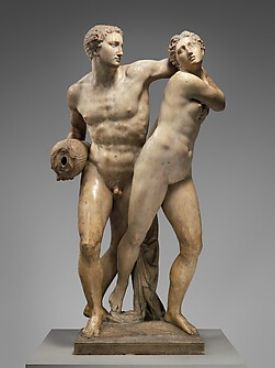
Full-body statues of Julius Caesar are fascinating artifacts that offer insights into ancient Roman culture. Found in various museum installations, these statues not only commemorate the Roman leader but also serve as icons of historical art. Let’s dive deeper into the significance and features of these remarkable statues.
1. Historical Significance of Julius Caesar Statues
Julius Caesar was a pivotal figure in Roman history, and statues of him often aimed to convey his military prowess and political authority. These full-body statues were created during and after his lifetime, serving not just as representations of his likeness but also as tools of propaganda. The grandeur and scale of these statues reflect the significant role he played in shaping the Roman Republic into the mighty Roman Empire.
In examining full-body Julius Caesar statues, it’s essential to understand the context in which they were made. For instance, many of these statues were located in public spaces such as forums and temples, reinforcing his status among citizens. Some of the most celebrated examples are known to have been placed in strategic locations to remind the public of his achievements and lineage.
-
- Research the local context of statues before visiting them.
-
- Understand the artistic conventions of the time period.
-
- Look for inscriptions that may provide additional context.
-
- Consider the physical materials used in the statues.
2. Artistic Features of the Statues
The artistic style of Julius Caesar statues reflects the techniques and ideals of Roman portraiture. These sculptures often showcase realistic features that aim to convey strength and authority. Notably, the use of contrapposto—a technique where a figure stands more naturally with weight distributed on one leg—creates a dynamic posture that brings the statue to life.
Moreover, many full-body statues of Caesar are adorned with significant attire, such as togas or military robes, symbolizing his roles as both a statesman and a general. The intricacies in the details, from the facial expressions to the textures of the clothing, highlight the skill of the artisans who crafted these pieces. Museums often use lighting techniques to enhance these features, making them even more striking to viewers.
-
- Take note of the pose and how it conveys power.
-
- Observe the textures and materials used in the statue’s creation.
-
- Pay attention to the facial expressions; they can reflect emotion.
-
- Find out what decorations or symbols are present and what they mean.
3. Viewing and Appreciating Julius Caesar Statues in Museums
When visiting a museum featuring statues of Julius Caesar, it’s essential to approach the experience with an open mind and a few tips in hand. Statues often come with placards or multimedia displays that provide valuable context. Taking the time to read and engage with these materials can greatly enhance your understanding of each piece.
Additionally, viewing these statues in person allows you to appreciate the scale and details that photographs often miss. Stand at different angles to observe how the statue is crafted, and consider photography guidelines—if allowed—to capture your impressions responsibly. Museums also often arrange guided tours that provide deeper insights into the statue’s historical and artistic significance.
-
- Check if audio guides are available for deeper insights.
-
- Join guided tours to connect with experts and ask questions.
-
- Take your time; don’t rush through the exhibit.
-
- Engage in discussions with fellow visitors for diverse perspectives.
4. The Cultural Legacy of Caesar Statues
The full-body statues of Julius Caesar continue to influence not only art but also the cultural narratives of leadership and authority. Even today, these sculptures are referenced in contemporary media, literature, and political discourse, often embodying the complexities of power and ambition. Modern artists and sculptors sometimes draw inspiration from these ancient creations, merging classical techniques with contemporary themes.
Furthermore, educational programs in museums often highlight the evolution of collective memory surrounding Caesar, showcasing how perspectives on his legacy have changed over time. Engaging with these discussions allows us to better understand not only ancient Rome but also our contemporary society’s relationship to history and power.
-
- Explore educational programs that delve into the legacy of Roman art.
-
- Connect with local art communities to discuss contemporary interpretations.
-
- Keep an eye out for modern reproductions and their meanings.
-
- Engage in forums or online discussions about historical narratives.
In conclusion, full-body Julius Caesar statues offer a wealth of knowledge about ancient Roman culture and art. Whether you are an art enthusiast or just curious about history, visiting these statues can be a profoundly enriching experience. Consider making plans to visit a local museum to explore these magnificent works for yourself.