Creating custom statues of Napoleon Bonaparte for public projects is a unique endeavor that combines artistry, historical significance, and community engagement. This blog post will delve into the various aspects of designing these statues, from historical accuracy to the incorporating community input.
1. Understanding Historical Context and Significance
Before embarking on the design of a custom Napoleon statue, it is essential to understand the historical context and significance of the figure. Napoleon Bonaparte, a complex character in French and world history, represents a blend of military prowess, political ambition, and cultural influence. His legacy is nuanced; thus, the design should reflect not just his achievements but also the controversies that surround him.
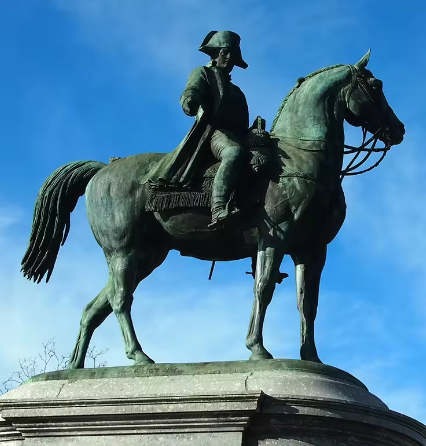
Research is critical when considering aspects such as the clothing, posture, and symbols that are emblematic of Napoleon’s identity. For instance, depictions of him often show him in military attire, potentially donning the classical bicorne hat. Involving historians can add depth and prevent historical inaccuracies, ensuring that the statue resonates well with both the landscape and the locals.
-
- Conduct thorough research on Napoleon’s life and impact.
-
- Engage historians and scholars for expert insights.
-
- Study existing statues for inspiration and common themes.
-
- Consider the local and global perceptions of Napoleon.
2. Collaborating with Artists and Sculptors
Working with skilled artists and sculptors is crucial for the successful design of a custom statue. The collaboration can bring unique artistic perspectives and techniques to the project. When selecting an artist, consider their previous works and experience with historical figures, as the design will require a balance of realism, artistic flair, and community tastes.
Open communication is vital throughout the process. Artists should be encouraged to present multiple design iterations, incorporating feedback from community stakeholders and historical advisors. This iterative approach can foster enthusiasm and ensure the final product is a true reflection of collective input.
-
- Review portfolios of various artists and sculptors.
-
- Hold collaborative brainstorming sessions.
-
- Encourage multiple design drafts and critiques.
-
- Ensure clear communication throughout the project.
3. Engaging the Community in the Design Process
Community engagement is paramount in creating a statue that is embraced by the public. Organizing focus groups or community meetings allows locals to express their views, preferences, and even personal connections to Napoleon’s legacy. This encourages a sense of ownership among residents, making the statue a true landmark of community pride.
Various engagement methods can be employed, such as online surveys, workshops, or public art showcases, where individuals can visualize the design concept. By actively involving the community, the project not only gains valuable insights but also fosters a deeper emotional connection to the monument, ensuring it becomes a cherished part of the public landscape.
-
- Organize community meetings for discussions.
-
- Use surveys to gather input from residents.
-
- Provide visual basics for public feedback.
-
- Arrange workshops where locals can participate in design brainstorming.
4. Planning and Managing the Construction Process
Once the design is finalized, careful planning and management of the construction process are essential to ensure the project is executed smoothly. This phase involves selecting appropriate materials, hiring skilled craftsmen, and adhering to regulations and permits. Each step should aim for durability and aesthetic appeal, especially since the statue is meant to withstand the test of time.
Budget management is also crucial, as costs can quickly escalate without proper oversight. It’s wise to include contingency funds for unexpected expenses during the construction process. Communicating regularly with craftsmen and ensuring they have clear expectations regarding deadlines and quality can greatly improve the project’s chances of a satisfactory completion.
-
- Draft a detailed project timeline with milestones.
-
- Source quality materials suitable for outdoor conditions.
-
- Maintain a flexible budget with a contingency reserve.
-
- Establish clear communication with all contractors involved.
5. Promoting and Celebrating the Final Installation
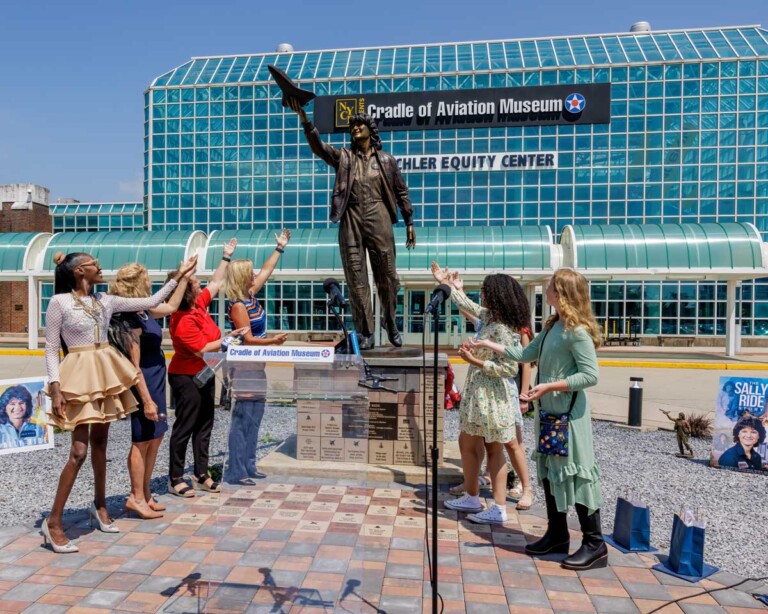
After the statue is complete, promoting and celebrating its installation is a critical phase that should not be overlooked. A well-planned unveiling ceremony can draw significant attention and participation, fostering community pride. This event can feature guest speakers, performances, or even a history lesson that connects Napoleon’s vision with today’s values.
Beyond the unveiling, ongoing educational programs about Napoleon’s legacy can be established, making the statue not just a piece of art, but a conduit for learning and dialogue. Providing resources for schools and local history organizations about Napoleon’s life can turn general curiosity into deeper understanding and appreciation among community members.
-
- Plan a public unveiling event with community involvement.
-
- Incorporate educational elements to promote engagement.
-
- Provide brochures or materials detailing Napoleon’s significance.
-
- Encourage local schools to include the statue in their curriculum.
Designing custom Napoleon Bonaparte statues for public projects not only celebrates history but also strengthens community bonds. By considering historical relevance, collaborating with talented artists, engaging the public, planning meticulously, and promoting the final product, a statue can become a beloved landmark that informs and inspires generations to come. If you’re considering embarking on such a project, consulting with professionals can help bring your vision to life.