
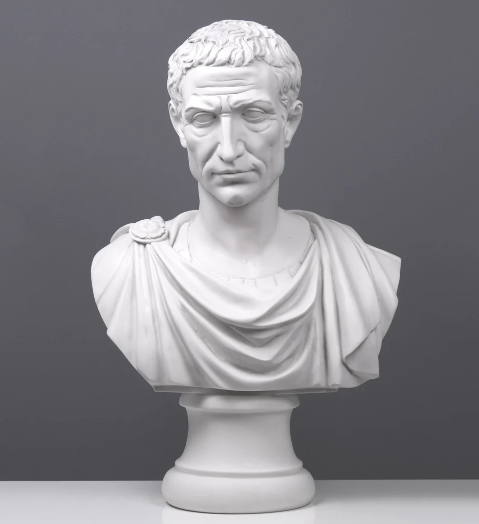
Julius Caesar, one of history’s most iconic figures, has left a lasting impact on education and classical studies. His statues not only commemorate his legacy but also serve as valuable educational tools in understanding ancient Rome. This blog post will explore the various ways in which these representations of Caesar enhance classical studies.
1. Understanding Roman Culture Through Statues
Statues of Julius Caesar provide profound insights into Roman culture, politics, and social norms. They capture not only his likeness but also the values held by Romans at that time, such as power and military success. By studying these sculptures, students can gain a deeper understanding of how the Romans viewed leadership and authority, helping them appreciate the complexities of ancient Roman society.
Furthermore, these statues often utilize specific materials and techniques that were significant in Roman art history. Whether crafted from marble or bronze, the mediums chosen to depict Caesar reflect the era’s technology and artistic preferences. This helps students connect art history with the political and social contexts of the time, making their study more holistic and engaging.
-
- Visit museums or online galleries featuring Roman artifacts.
-
- Encourage discussions on how art reflects societal values.
-
- Incorporate statue analysis in class projects or presentations.
-
- Research different materials used in Roman sculptures.
-
- Compare Julius Caesar’s statues with those of other Roman figures.
2. Analysis of Stylistic Attributes
The stylistic attributes of Julius Caesar statues can reveal much about the artistic conventions of the time. For instance, the way he is depicted—often shown with a stern yet thoughtful expression—conveys attributes such as gravity and wisdom. Students can analyze how these artistic choices influence the viewer’s perception of Caesar’s character and, by extension, the Roman leadership.
In addition to facial expressions, the posture and attire of the statues are crucial for understanding Roman ideals. Statues often depict him in military garb, emphasizing his role as a general. This can lead to discussions about the military’s influence on Roman politics and society, which is essential for a comprehensive understanding of the time period.
-
- Conduct workshops to analyze different styles of Roman statues.
-
- Encourage students to create their own interpretations of Caesar’s likeness.
-
- Host debates on how art can alter historical perception.
-
- Incorporate comparative studies with other artistic movements.
-
- Use art analysis tools to dissect the components of Roman sculpture.
3. Engaging with Historical Narratives
Statues of Julius Caesar act as tangible connections to the past, launching discussions about historical events and figures. By examining these sculptures, students can delve into narratives surrounding Caesar’s life, such as his rise to power, his reforms, and ultimately, his assassination. These discussions can cement students’ understanding of Roman history and its enduring influence on modern governance.
Moreover, statues serve as focal points for storytelling and discussions that bridge ancient and contemporary issues. Comparative studies—such as examining modern leadership through the lens of Caesar’s life—can help students see the relevance of classical studies in today’s world. This makes history both relatable and instructive, allowing students to learn from the past.
-
- Create timelines linking Caesar’s statues to historical events.
-
- Facilitate role-playing activities where students embody historical figures.
-
- Promote creative writing assignments based on historical narratives.
-
- Organize field trips to exhibit spaces featuring Roman art.
-
- Encourage collaboration on group projects exploring Caesar’s impact.
4. Promoting Critical Thinking Skills
Studying Julius Caesar statues encourages critical thinking and analytical skills among students. Engaging with the historical significance of these sculptures requires students to evaluate context, purpose, and the impact of art on society. This analytical process fosters deeper understanding and valuable skills that can be applied in various fields of study.
In classroom discussions, students are prompted to ask: What message does this statue convey? How does it reflect the values of the time? Such inquiries lead to vibrant discussions that sharpen their critical thinking. By interpreting these artworks as historical documents, students learn to approach artifacts with a discerning eye, a skill critical for anyone pursuing classical studies or history.
-
- Encourage students to form hypotheses about the statues’ meanings.
-
- Provide guided worksheets to help dissect specific sculptures.
-
- Implement peer review processes for statue analysis essays.
-
- Organize seminars focused on critical thinking in historical context.
-
- Invite guest speakers specializing in Roman history or art analysis.
In summary, Julius Caesar statues serve not only as artistic representations of a prominent historical figure but also as multidimensional tools for education in classical studies. By engaging with these statues, students can gain insights into Roman culture, artistic practices, and historical narratives while developing essential critical thinking skills. Encourage exploration and discussion of these remarkable works to enhance your understanding of the past and its implications for the future.