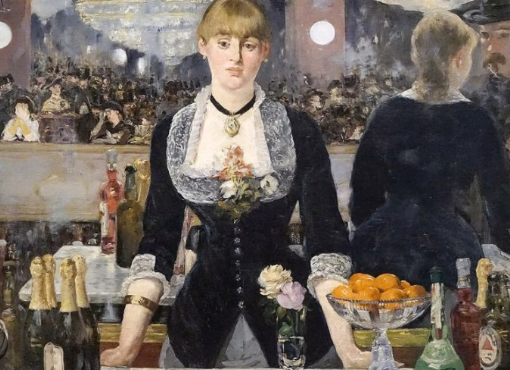
Édouard Manet, a prominent figure in the world of art, is often celebrated for his groundbreaking portraits that capture the essence of modern Parisian life. His works reflect the vibrant social landscape of 19th-century Paris, offering a window into the city’s transformative cultural dynamics. This blog post will explore how Manet’s portraits not only highlight individual subjects but also serve as a commentary on the rapidly changing society around him.
1. Manet’s Artistic Style and Techniques
Édouard Manet is widely recognized for his innovative approach to painting, which broke away from traditional methods of depiction. He utilized a loose brushwork style, emphasizing the effects of light and color rather than focusing solely on fine detail. This technique allowed for a more spontaneous and direct expression, which is particularly evident in his portraits, such as “Portrait of Emile Zola,” where the subject’s personality leaps off the canvas.
Manet’s palette was daringly modern for his time, often employing stark contrasts between light and dark. His compositions blurred the lines between formal portraiture and everyday scenes, helping to establish a modern aesthetic. This blending is not only a testament to his skill but also reflects the dynamic urban life of Paris, characterized by a vibrant mix of social classes and burgeoning cultural movements.
-
- Explore different painting techniques like loose brushstrokes.
-
- Experiment with color contrasts to enhance mood.
-
- Study the portraits of Manet for inspiration.
-
- Consider the impact of background elements in your art.
-
- Practice capturing emotions with facial expressions.
2. Reflections of Modern Parisian Life
Manet’s portraits often serve as social commentaries, reflecting the shifts and tensions in Parisian society during the late 19th century. His works frequently depicted a range of subjects, from bohemian artists to socialites, illustrating the melting pot of ideas and lifestyles that characterized the era. For instance, in “Olympia,” Manet challenges traditional representations of women, presenting a confident, reclining nude that sparked conversations about gender and sexuality in art.
Moreover, through subjects like “Luncheon on the Grass,” Manet captured the relaxed leisure activities of the bourgeoisie, while also critiquing societal conventions. Such portrayals provide insight not only into the lives of the individuals but also into the broader transformations occurring in Paris at the time, from the rise of the middle class to the impact of industrialization.
-
- Analyze the social classes represented in Manet’s work.
-
- Research the historical context of 19th-century Paris.
-
- Reflect on the societal issues depicted in his portraits.
-
- Attend exhibitions showcasing his works for deeper understanding.
-
- Engage with modern interpretations of his themes.
3. The Influence of Manet on Future Artists
Manet’s groundbreaking style and thematic explorations laid the groundwork for later art movements, including Impressionism and Modernism. His focus on contemporary life and innovative techniques influenced artists such as Claude Monet and Vincent van Gogh, who pushed the boundaries of art even further. By breaking from established norms, Manet encouraged artists to explore personal expression and the portrayal of daily experiences.
Notably, Manet’s ability to depict psychological depth in his subjects set a new standard for portraiture. His influence can be seen in how subsequent artists embraced authenticity over idealism, prioritizing emotion and reality in their works. Future portraitists learned from Manet’s example, using their art to engage with the complexities of human experience and societal change.
-
- Study the works of artists influenced by Manet.
-
- Explore the evolution of portraiture in art history.
-
- Participate in workshops focused on modern techniques.
-
- Network with fellow art enthusiasts for inspiration.
-
- Incorporate personal experiences into your art practice.
Édouard Manet’s portraits serve as a mirror reflecting the intricate tapestry of modern Parisian life while innovating how people relate to art itself. By exploring the unique elements of his style and the historical context of his subjects, we can gain a deeper appreciation for his influence on both his contemporaries and future generations of artists. Dive into the world of Manet and allow his work to inspire your own creative journey.