
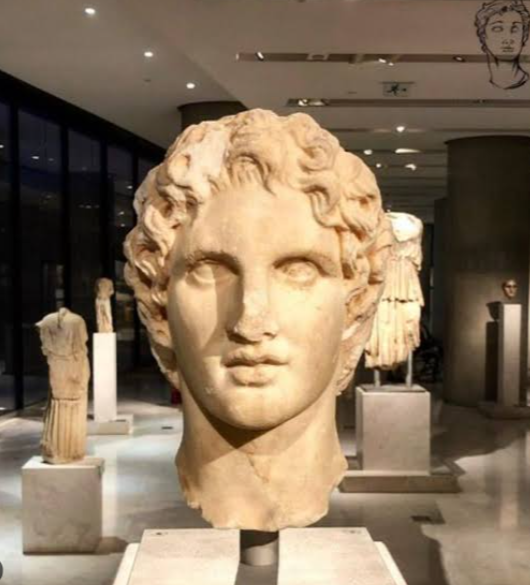
Alexander the Great, one of history’s most renowned conquerors, is often celebrated not just for his military prowess but also for the artistry and craftsmanship inspired by his legacy. The sculptures depicting Alexander are remarkable examples of ancient artistry, capturing both his physical likeness and the heroic ideals he embodied. This blog post explores the intricate details found in these sculptures, shedding light on their historical significance and artistic techniques.
1. The Historical Context of Alexander’s Sculptures
During Alexander the Great’s lifetime, Greece was experiencing a cultural renaissance. Artists sought not only to depict the physical characteristics of their subjects but also to convey a sense of their character and achievements. Sculptures of Alexander often integrate both realism and idealism, showcasing him as a heroic figure and a symbol of power. These sculptures served not only as portraits but also as propaganda, projecting Alexander’s strengths and achievements.
The most notable works include the statue known as the “Alexander the Great in Armor,” showcasing a young, strong, and confident leader. The level of detail in these sculptures often reflected the artistic styles prevalent in specific regions, such as the Hellenistic period. As artists traveled or were commissioned, local influences blended with Greek traditions, resulting in a diverse array of styles and techniques.
-
- Study key historical periods intertwined with Alexander’s reign.
-
- Examine how contemporary politics influenced artistic expression.
-
- Consider local and regional styles in examining sculptures.
-
- Research major artists that contributed to sculpting Alexander.
2. The Artistic Techniques Used in Sculpting Alexander
The craftsmanship of Alexander’s sculptures showcases various artistic techniques that elevate their impact and significance. Artists employed methods such as contrapposto to create lifelike poses, effectively conveying motion and emotion. Additionally, the use of fine detailing – in the hair, garments, and facial expressions – allowed viewers to connect with Alexander on a more personal level, making the sculptures relatable and timeless.
Moreover, materials like marble and bronze were commonly used, each bringing its unique qualities to the artworks. Marble allowed for intricate detailing, while bronze offered durability and the ability to create more dynamic forms. The combination of these materials, along with various sculpting techniques such as carving and casting, resulted in expressive and enduring representations of Alexander.
-
- Familiarize yourself with the concept of contrapposto in sculpture.
-
- Explore the different materials used in ancient sculpting.
-
- Research the impact of texture and detail on viewer perception.
-
- Consider visiting museums with Alexander sculptures for firsthand experience.
3. Symbolism in Alexander’s Sculptures
Many sculptures of Alexander the Great are rich in symbolism, reflecting not only his accomplishments but also broader concepts of power, virtue, and leadership. For example, the presence of certain attributes, like a laurel wreath or a lion skin, signifies triumph and bravery. These symbols were essential in communicating Alexander’s divine right to rule and his association with heroic epics, elevating his image in the cultural memory of civilizations that followed.
Additionally, details such as facial expressions and the positioning of limbs serve to enhance the narrative within the sculpture. Artists plotted elements like gaze direction and gesture carefully, narrating a story as well as immortalizing Alexander’s triumphs. The symbolism behind each detail allows viewers to engage deeper with the sculpture, contemplating its messages about leadership and valor.
-
- Analyze individual sculptures to identify symbolic elements.
-
- Investigate the historical narratives related to Alexander’s conquests.
-
- Consider the impact of symbolic representation on contemporary art.
-
- Visit exhibitions focusing on symbolism in ancient art.
4. The Legacy of Alexander the Great Sculptures
The representations of Alexander the Great have transcended centuries, influencing countless generations. His sculptures have served as models for other leaders, artists, and societies aspiring to showcase their own power. The legacy of these works has not only shaped perceptions of Alexander but also impacted cultural productions throughout history, inspiring sculptures during the Renaissance and beyond.
Moreover, these sculptures have found their way into modern pop culture and can inspire contemporary artists. Understanding the details and purpose of the original sculptures provides invaluable context for appreciating their adaptations in modern art. As societies continue to explore themes of leadership and heroism, Alexander’s sculptural legacy remains a relevant reference point.
-
- Explore how Alexander’s sculptural style influenced later periods.
-
- Research modern adaptations of Alexander-inspired art.
-
- Investigate the continuing educational impact of historical sculptures.
-
- Engage with contemporary artists to discuss Alexander’s relevance.
In conclusion, the sculptures of Alexander the Great offer a fascinating glimpse into the artistic techniques, historical context, and symbolic meanings of ancient art. By delving into the intricacies of these works, readers can appreciate not only the beauty of the craftsmanship but also the depth of the narratives they encompass. For those eager to learn more, consider visiting museums, engaging with art history resources, or even exploring sculpture-making as a personal creative pursuit.